

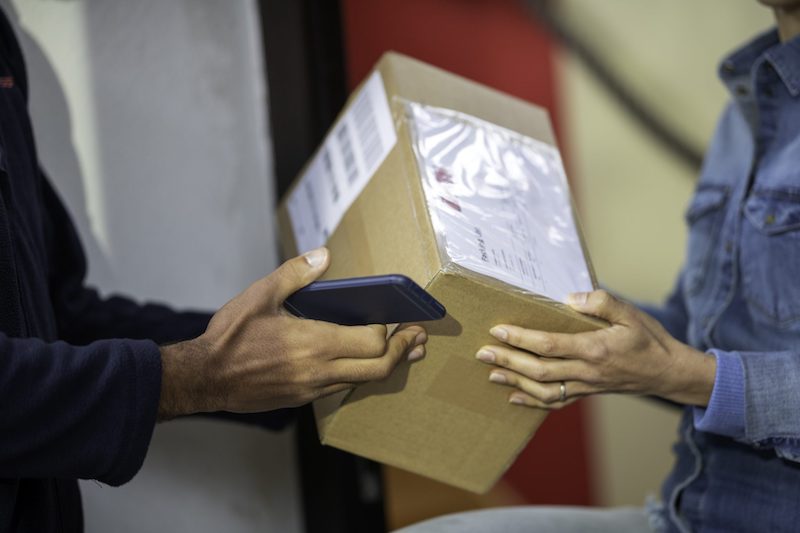
The increasing amount of information that is being made public about warehouse workers at large e-commerce companies testing positive for COVID-19 is unnerving. In addition to those working in the warehouses, you are left to wonder about the delivery workers who are physically bringing your packages to your doorstep.
A recent study has also found that coronavirus can live on cardboard up to 24 hours. So - are those boxes putting you at risk for being exposed to COVID-19?
Likelihood of Getting COVID-19 from Packages
“According to the Centers for Disease Control and Prevention (CDC) and the World Health Organization (WHO), the risks of transmission of coronavirus from a package is very low, but that doesn’t mean it’s impossible,” says Elliot Frank, M.D., an infectious disease specialist and medical director of quality and outcomes at Jersey Shore University Medical Center. “This is because the virus is generally thought to be spread most often by respiratory droplets that are transmitted by sneezing and coughing.”
It’s also reassuring to remember that packages usually are shipped over a period of days or weeks and it's not likely that the virus would survive on them if exposed in the warehouse. The risk more so arises between pickup by the delivery person, drop off at the home and thereafter.
“Even if your delivery person or mail carrier isn’t experiencing symptoms, they still may be carrying the virus and unknowingly spreading bacteria,” Dr. Frank adds. “If you’re touching items that someone else has recently handled, be aware of possible contamination and take preventative measures to protect yourself and your family.”
Follow these steps to safely manage packages and mail upon drop-off:
- Avoid direct contact with the delivery person
- Leave the package outside for a few hours and/or spray it with aerosol disinfectant before handling
- Dispose of all outer packaging immediately
- Wash your hands thoroughly for 20 seconds or more
- Disinfect any high-touch surfaces you had contact with after handling
- Avoid touching your face, including your mouth, eyes and nose
Is there information about transmission through other surfaces?
In addition to survivability on cardboard, the study also found that COVID-19 is detectable on the following for an extended period, but this may vary under different conditions such as temperature or humidity of the environment:
- Air: 3 hours
- Copper: 4 hours
- Stainless steel: 2-3 days
- Plastic: 3 days
As we continue to learn more about transmission, it’s important to continue to follow the CDC’s recommendations for cleaning and disinfecting frequently touched surfaces and objects daily, such as doorknobs, light switches, countertops and cabinet handles, as well as continuing with proper hand hygiene.
Next Steps & Resources:
- Meet our clinical contributor: Elliot Frank, M.D.
- To make an appointment with Dr. Frank or a doctor near you, call 800-822-8905 or visit our website.
- CDC COVID-19 Resources
- WHO
- NIH
Find a doctor near me
How to Order Food Delivery Safely
Order food safely during COVID-19. Learn tips for contactless delivery and safe food handling practices to protect yourself and your family in New Jersey. Reduce risk now.
Your Top 8 Questions About Telemedicine Answered
Get answers to your top 8 telemedicine questions. Learn about costs, insurance, appointments, and more. Schedule a virtual visit today!
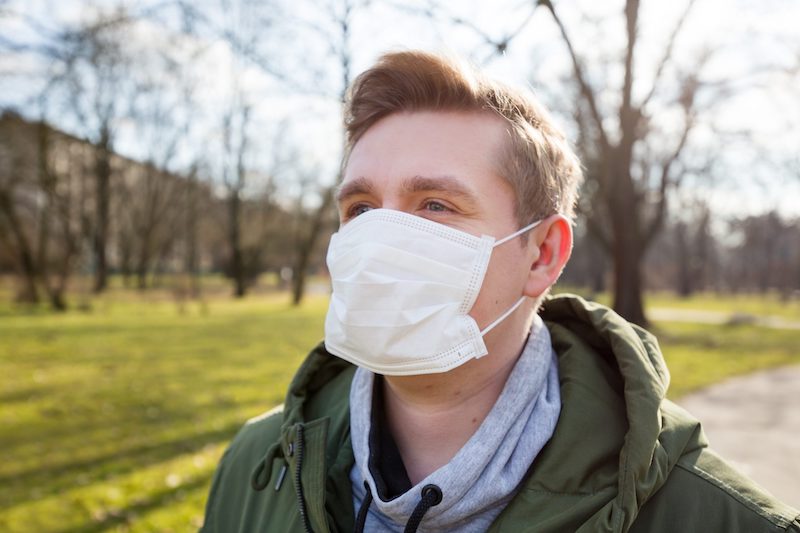
Should You Wear a Mask Outside?
Should You Wear a Mask Outside? Dr. Frank explains when masks are needed in New Jersey and offers guidance on COVID-19 safety. Learn more & schedule an appointment.
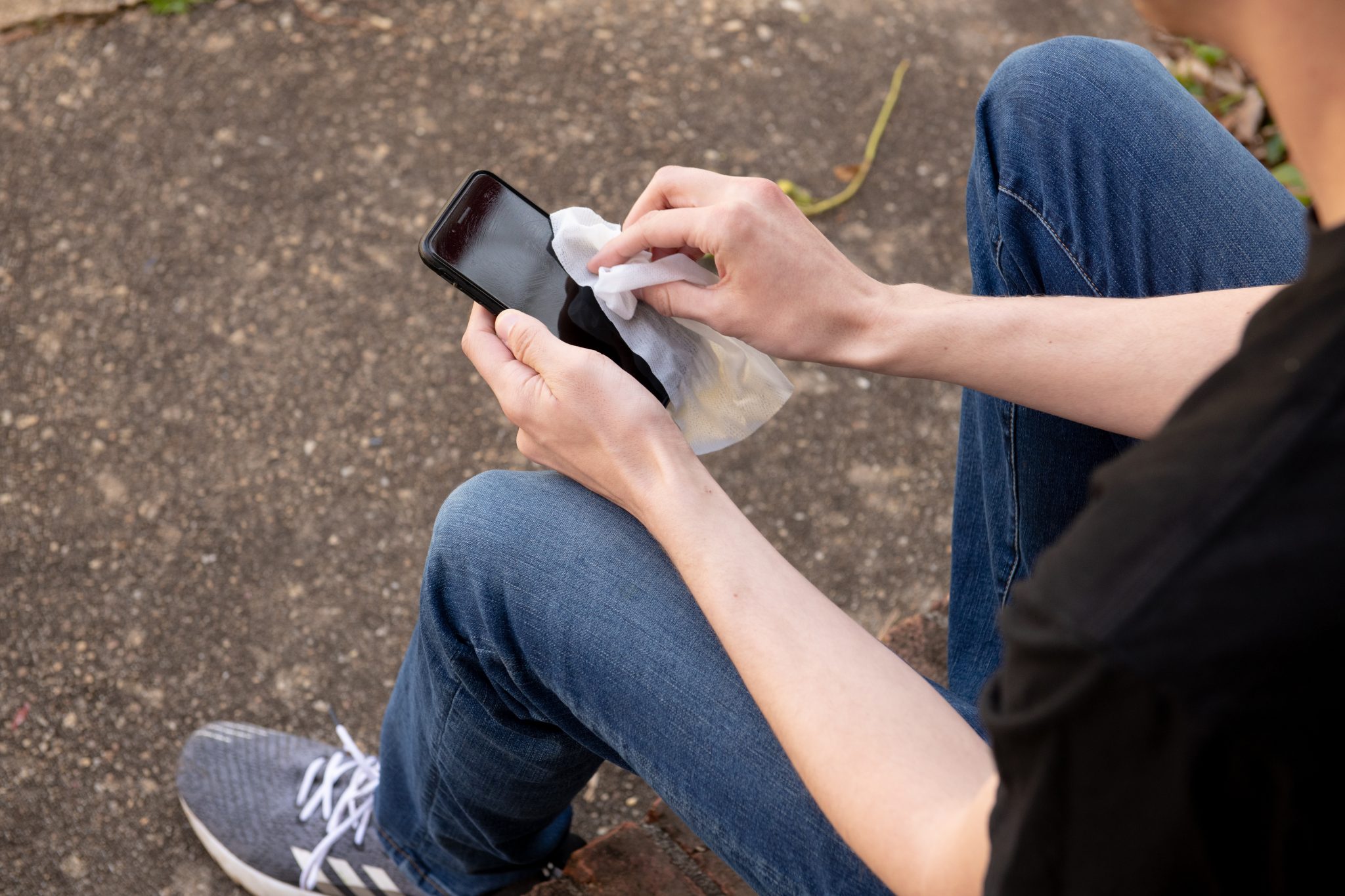
How to Keep Coronavirus Off Your Phone & Devices
Keep coronavirus off your phone and devices. Learn simple, safe cleaning steps to help prevent illness. Read now for helpful tips.