


When most people think of addictive substances, drugs, alcohol and tobacco usually come to mind. But is food considered an addictive substance?
Saba Afzal, M.D., psychiatrist at Ocean Medical Center, considers food addiction a behavioral addiction similar to gambling, shopping or internet addiction—addictions where a person is preoccupied by a certain behavior. “The parts of the brain triggered by drugs can also be triggered by some foods, particularly by foods high in fat, sugar or salt,” she says.
Dr. Afzal says people who show signs of food addiction have a higher tolerance for food—the more they eat, the more they need to sustain and the less full they feel over time.
Dr. Afzal notes that there is no easy solution for any addiction, food included, but treatment programs are available, including counseling, support groups and possibly medication on a case-by-case basis. “The goal of any food addiction treatment is not just to treat the addiction to food, but also address other co-occurring or underlying issues like low self-esteem, anxiety and depression,” she says.
Signs You May Be Addicted to Food
- You have a high tolerance for food—you eat more and more only to be less satisfied by food.
- You continue to overeat despite negative consequences like weight gain.
- You have trouble stopping overeating.
- You end up eating more than you planned to.
- You keep eating even if you are no longer hungry.
- You often eat to the point where you feel ill.
- You go out of your way to obtain certain foods.
Other Factors Contributing to Overeating
Karl Strom, M.D., medical director of the Center for Advanced Bariatric Surgery at Mountainside Medical Center, says the great majority of patients he sees are not technically addicted. They are more likely habituated. He says most people become obese because of one or more of three factors:
- Behavioral: A person may have habits or even traditions of overeating or eating poorly. For example, let’s say you have a Saturday night tradition of watching a movie and eating extra portions of caramel-swirl ice cream and popcorn.
- Environmental: Certain factors in our environment can cause us to overeat or eat poorly. For example, did that commercial make you head for the drive-through at your favorite fast food restaurant for dinner instead of cooking a healthier meal at home?
- Genetic: Research shows that if your parents are obese, you’re more likely to be obese, too. But that doesn’t mean you can’t maintain a healthy weight. Watch your portion sizes and eat a healthy diet to avoid excess inches.
The world can be full of stresses, temptations and standard activities that may not be the most conducive for eating well and exercising regularly. If weight loss has become difficult or out of reach to you, Dr. Strom recommends speaking with a physician.
He notes that obesity is a chronic disease. Weight-loss surgery is not a cure but rather a tool that in combination with other tools—including dietary changes, exercise and long-term follow-up—can help you maintain a healthy weight over time.
Next Steps & Resources:
- Learn more about weight-loss surgery options available at Mountainside Medical Center
- Attend an online seminar with Karl Strom, M.D.
- Meet our source: Karl Strom, M.D. and Saba Afzal, M.D. To make an appointment with Dr. Strom, Dr. Afzal or another doctor near you, call 800-822-8905 or visit our website.
- Should you get bariatric surgery?
- Quick tips to stay healthy on the go
Find a doctor near me
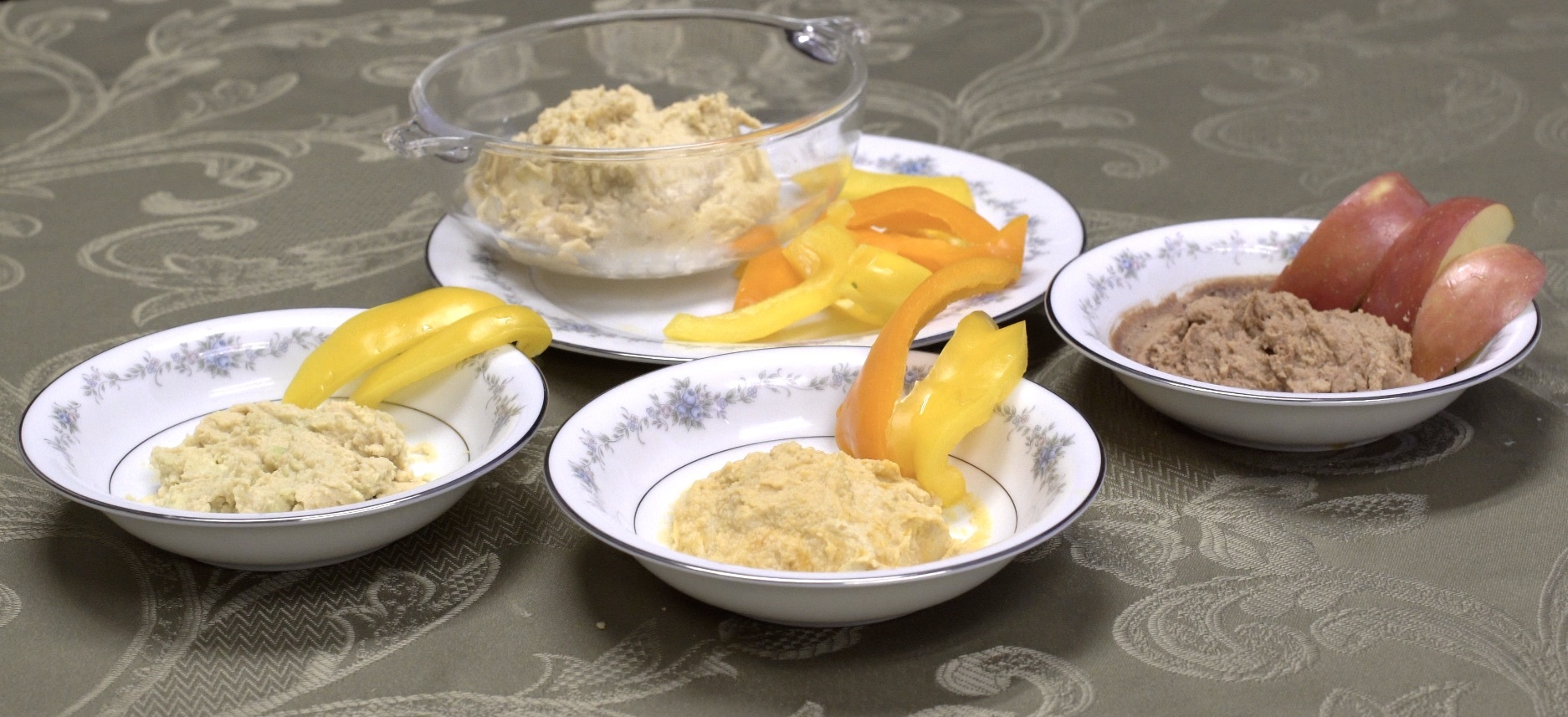
RECIPE: Heart Healthy Hummus
Get a heart-healthy hummus recipe. Learn to make tasty, good-for-your-heart snacks. View recipe & video now!
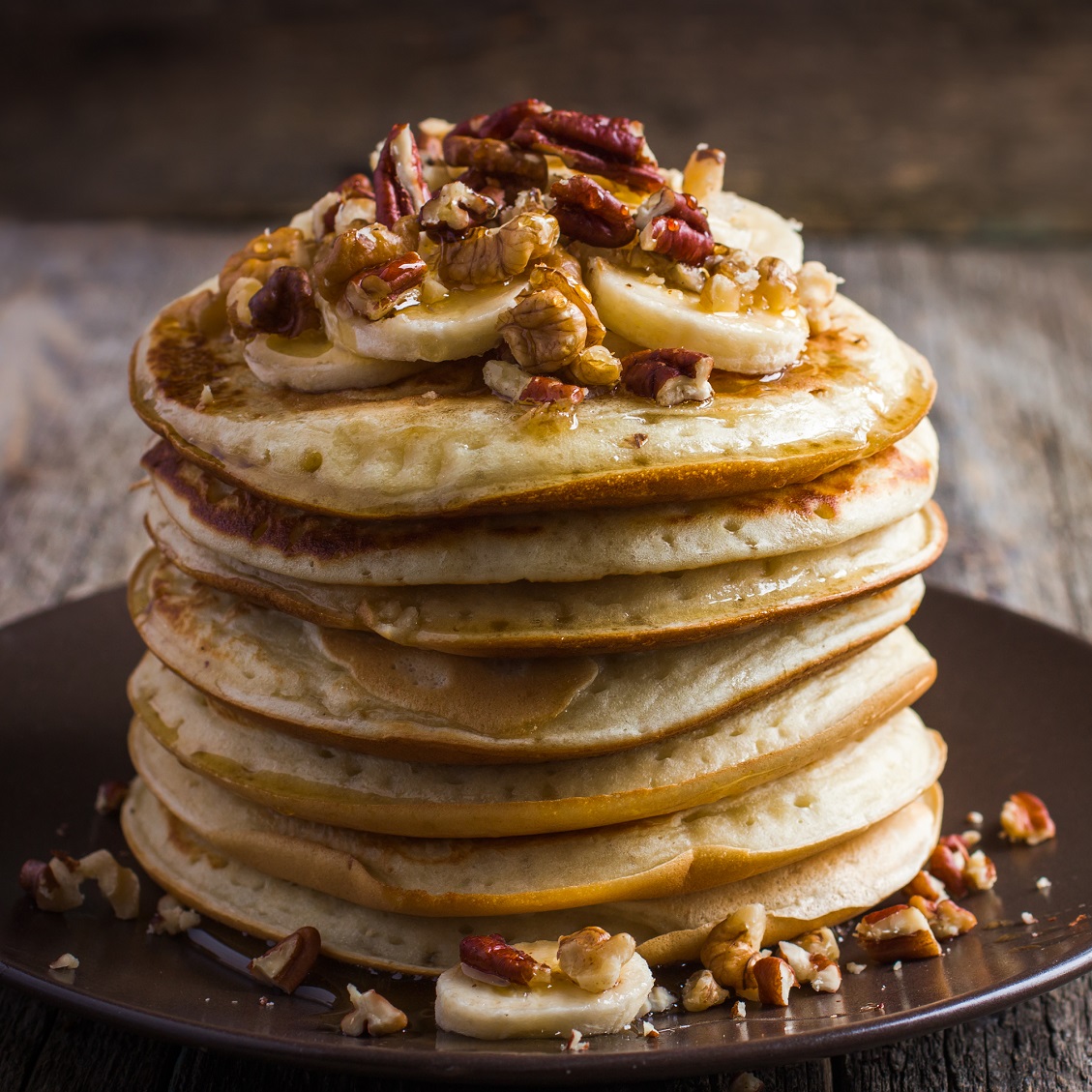
Recipe: Hearty Whole Wheat Pancakes
Enjoy a hearty, healthy breakfast! This whole wheat pancake recipe is easy to make and packed with fiber and nutrients. Get the recipe now.
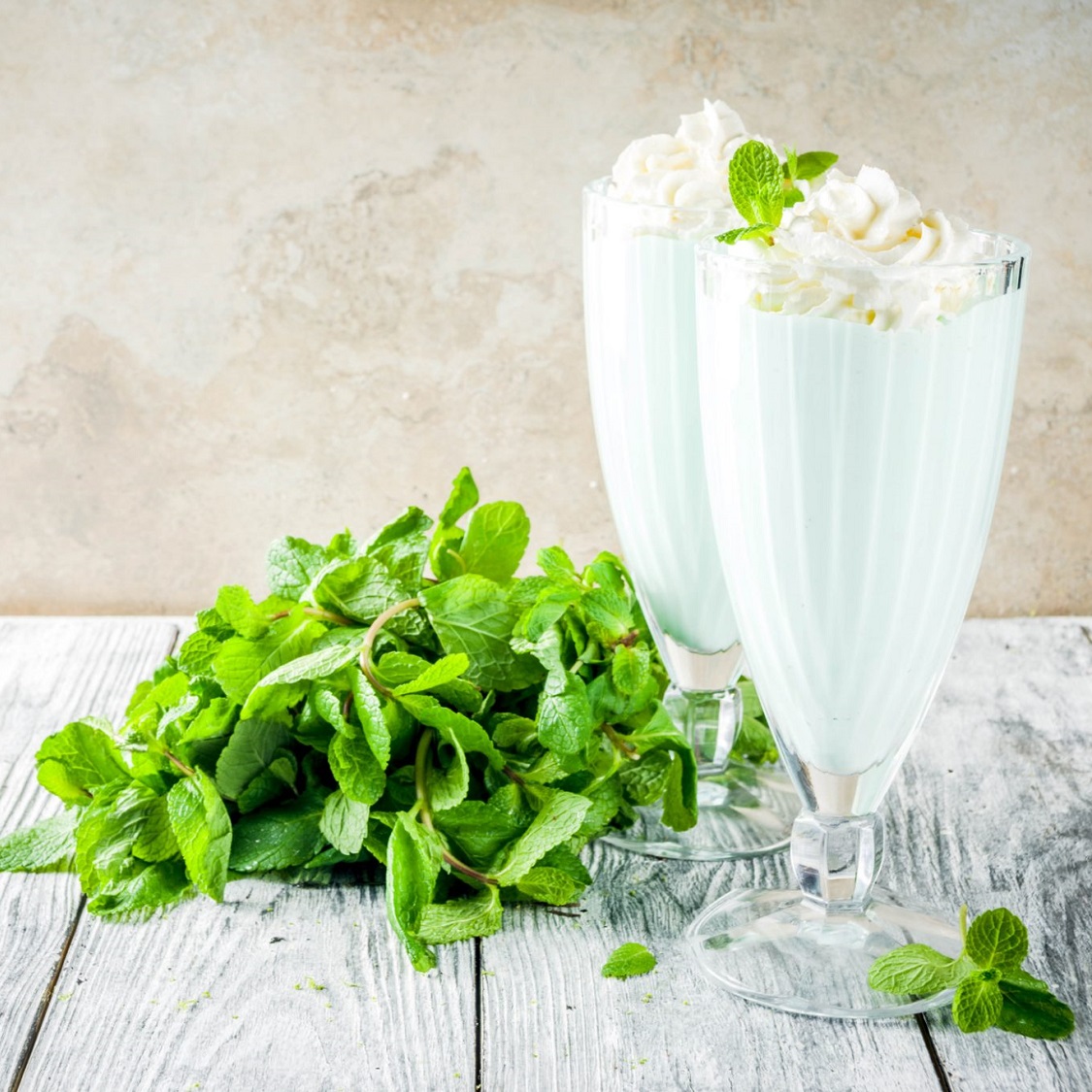
RECIPE: Healthy Shamrock Shake
Enjoy a healthy Shamrock Shake recipe by Irene Yu, MS, RDN. Celebrate St. Patrick's Day with this delicious and nutritious treat. Get the recipe now!
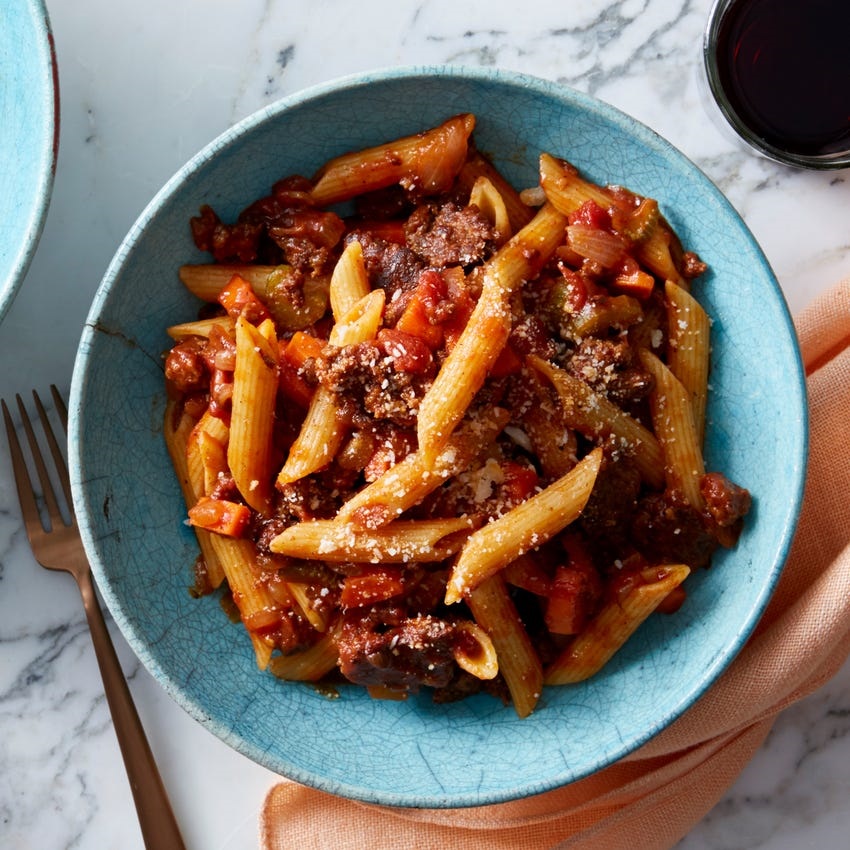
RECIPE: Bob Garrett's Bolognese Sauce
Bob Garrett's Bolognese recipe. Enjoy this delicious, easy-to-make sauce. Get the recipe now!