

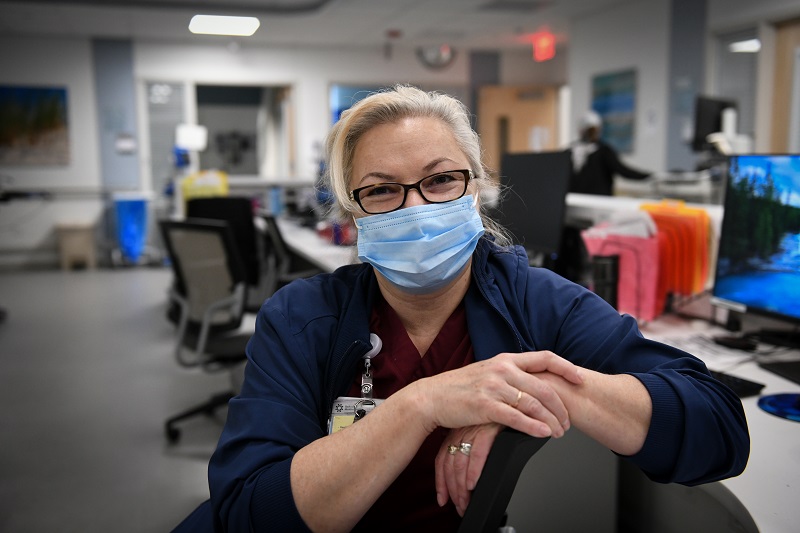
Most urgent care centers across the nation are staffed by at least one physician. There are typically physician assistants, nurse practitioners and nurses at these centers, as well. In a handful of states, nurse practitioners may be the health care providers with the most medical training at some urgent care centers, particularly those in rural locations or underserved areas.
Whether you’re having a health problem that isn’t urgent enough to require a trip to the emergency room or you need to see a doctor but don’t have your own primary care physician, you’ll find help at your local urgent care center.
You are likely to come across these types of doctors at urgent care centers:
- Family medicine physicians. Family medicine physicians are at the ready to treat any medical condition you may be facing. Whether you need care throughout your life or guidance through specialist systems, they are ideal primary care doctors.
- Internal medicine physicians. Internists specialize in treating patients who have infectious diseases and chronic health conditions, both of which may send you to an urgent care center. Internal medicine specialists often work in primary care practices, where they may encounter many of the same conditions that they see in urgent care.
- Sports medicine physicians. Whether you’ve got a sprain, a strain or a possible broken bone, a sports medicine specialist is an ideal person to diagnose and treat your injury. Many urgent care centers have X-ray machines on site, so you won’t need to go to a second location to confirm the problem. If the doctor discovers that you’ve broken a bone, they can apply your cast in the office, then have you return several weeks later to remove the cast.
- Emergency medicine physicians. An emergency medicine specialist’s experience working in the emergency room gives them an advantage when diagnosing and treating patients in urgent care: Whatever your reason for visiting is, they’ve likely seen it and treated it before, including broken bones, food poisoning, cuts that require stitches and more.
Urgent care locations can also offer services like x-rays, lab work, physicals and more right on site. If you’re experiencing more dramatic symptoms like these, go to an emergency room, rather than urgent care:
- signs of a heart attack, including chest pain or pressure, or pain in your arm or jaw
- signs of a stroke, such as a drooping face, slurring words or the inability to move a limb
- a severe allergic reaction
- breathing problems
- a high fever that doesn’t respond to fever-reducing medication
- a sudden, severe illness
- fainting or losing consciousness
- a serious injury, such as a car accident or a fall
- cuts with uncontrolled bleeding
- serious burns
- a broken bone that shows through your skin
Next Steps & Resources:
- Hackenack Meridian Health urgent care locations are staffed with board-certified physicians who specialize in family medicine, internal medicine, sports medicine and emergency medicine. Their urgent care staff also includes physician assistants, nurse practitioners, licensed practical nurses, X-ray technicians and certified medical assistants. They can also offer services like x-rays, lab work, physicals and more right on site.
Find a doctor near me

The Top 4 Summer Injuries & How to Avoid Them
Avoid common summer injuries like sunburn, heat stroke, and tick bites. Get expert tips and find nearby urgent care. Stay healthy this summer!

Head Trauma: Know When to Get Help
Head Trauma: Know when to seek help. Learn about symptoms, treatment, and when to get emergency care from leading doctors. Call 800-822-8905.

5 Questions to Ask Your Physician at an Annual Physical Exam
Getting an annual physical exam is an important step in staying healthy. It’s an opportunity to touch base with your primary care physician while you are healthy so you can stay that way.

How Much Water You Should Drink, According to a Doctor
Staying hydrated is vital to your health and wellness. Here’s how much water to consume and tips for avoiding dehydration.