

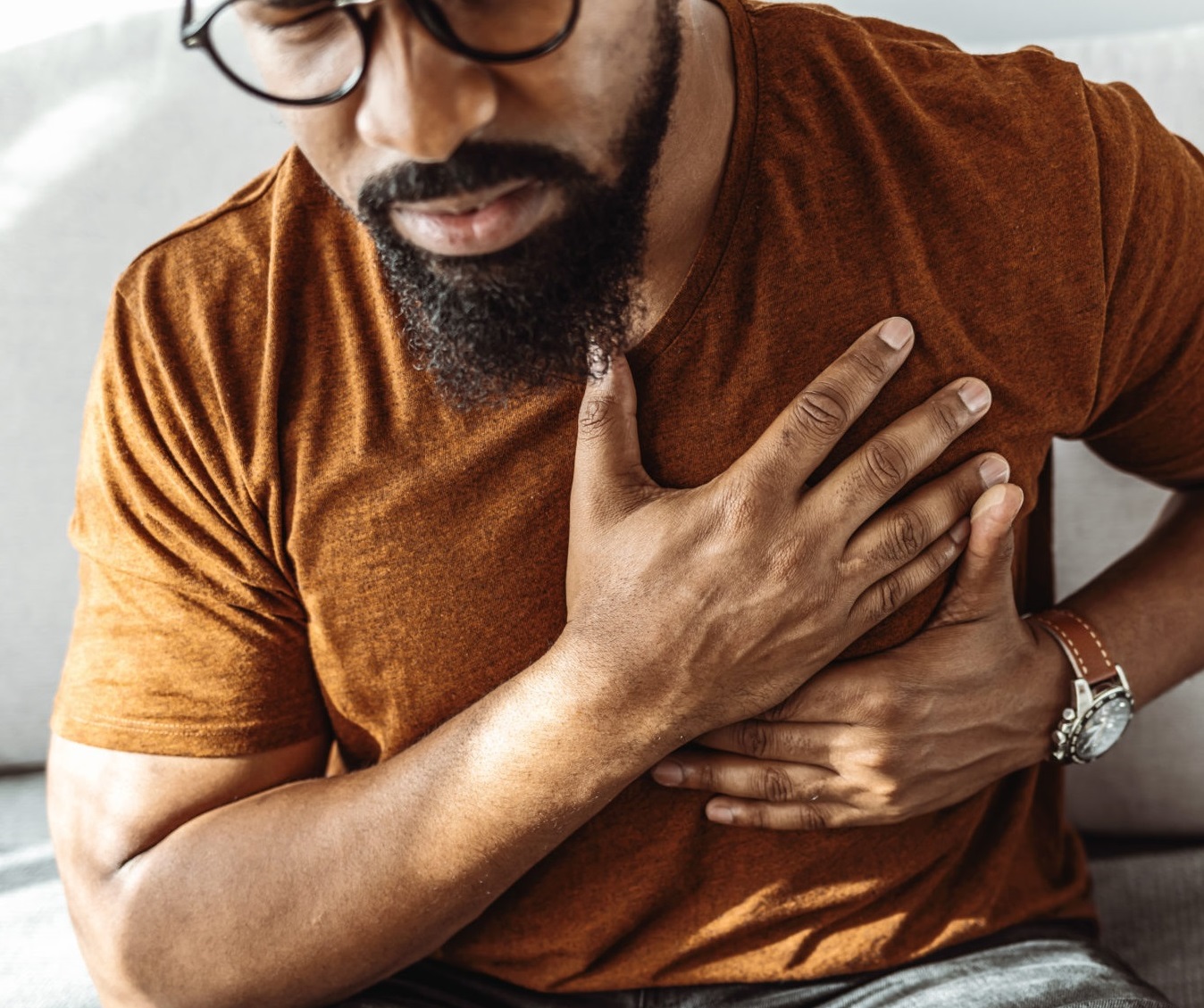
Heart failure is one of the top killers in the United States, claiming about 380,000 lives every year.
But while the disease can be severe and life-limiting, it doesn’t always get worse—and can even be reversed.
Heart failure is characterized by the organ’s inability to pump blood efficiently through the body. Although it can worsen over time, an ever-expanding choice of medications and surgical treatments has transformed the diagnosis from a death sentence to a chronic condition that won’t necessarily progress.
Mainstay Treatments
The chances of stalling or reversing heart failure are far better for those who seek early treatment. While all therapies seek to relieve major symptoms such as shortness of breath, fatigue and swelling in the legs and abdomen, they also aim to slow disease progression and keep patients out of the hospital.
But treatment options depend on how severe your case is. Most patients benefit from three types of prescribed drugs considered mainstays in heart failure care:
- Beta blockers, which block excess adrenaline production that can damage heart cells
- ACE inhibitors (or ARBs), which help relax blood vessels to lower blood pressure
- Aldosterone inhibitors, which block a hormone that promotes heart failure symptoms by triggering salt and fluid retention
All three medications block hormonal reflexes that can do a lot of damage. Changes to your lifestyle, such as eating a low-sodium diet are also important, experts warn.
Extreme Heart Failure Options
Even for the 1 in 10 patients coping with extreme heart failure, the condition can still be reversed for some..
That may require:
- Implantable heart pump
- Heart reconstruction procedure
- Heart transplant
Regardless of whether that’s possible, almost all heart failure patients require ongoing medication usage and regular follow-ups with a cardiologist.
The mark of good therapy is treating both your symptoms with medications and treating your heart so it gets better. If you’re treating the underlying problem, it gives you a chance of a full recovery.
Next Steps & Resources:
- Make an appointment online with a cardiologist near you, or call 800-822-8905.
- Learn more about comprehensive cardiac care close to home at Hackensack Meridian Health
Find a doctor near me
What is a Silent Heart Attack?
Silent Heart Attack: Learn about symptoms, risk factors, and detection from Palisades & JFK Medical Center cardiologists. Schedule a screening today.

Is My Chest Pain Serious?
Is My Chest Pain Serious? Dr. Orlando explains chest pain causes and when to seek immediate medical attention at Jersey Shore University Medical Center. Learn more & schedule a heart screening.
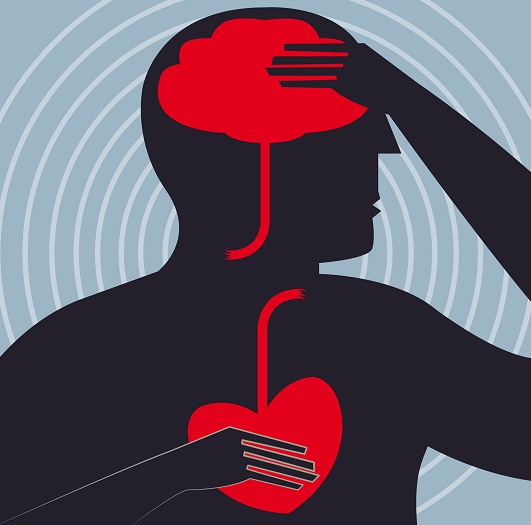
Are Strokes and Heart Attacks the Same?
Understand heart attack vs. stroke differences. Learn key symptoms & risk factors from Jersey Shore University Medical Center doctors. Reduce your risk today. Call 800-822-8905.
Is an Irregular Heartbeat Dangerous?
Irregular heartbeat? Learn about causes, symptoms, and when to see a cardiologist. Jersey Shore University Medical Center offers expert heart care. Call 800-822-8905.