


The latest COVID-19 variant has stepped on the scene - enter Omicron.
First detected in South Africa, the variant is spreading quickly around the globe. To help us understand the danger this new variant poses, we connected with autoimmunity expert Robert Lahita, M.D., professor at the Hackensack Meridian School of Medicine.
Why are there various variants of COVID-19, like the Omicron?
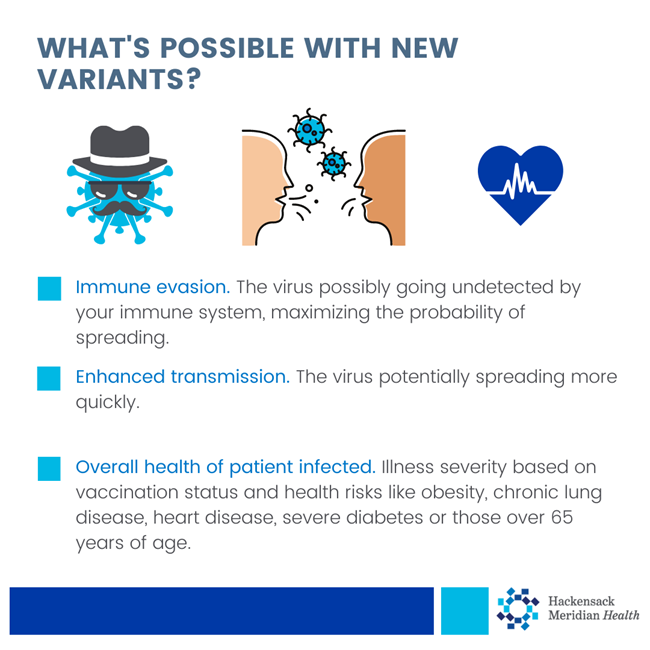
Viruses like COVID-19 continuously evolve as they spread from host to host. When the virus replicates itself to spread, there can be errors in the duplicating of the viral RNA, these changes in the RNA are called mutations. Viruses with multiple mutations in the RNA are called variants.“There are a large number of mutations in the ribonucleic acid, or RNA, of this particular virus,” shares Dr. Lahita. “We had the Mu and Lambda variants, and we were worried about those at the time, and they amounted to nothing. But with Omicron, the concern is immune evasion, enhanced transmission and the clinical status of the patient that gets this infection.”
Should we worry about the Omicron variant?
“If you’re immunized, I suspect you’re going to be able to mount an immune response to this altered spike protein. Put simply, if you are fully vaccinated, your body should recognize this variant to destroy it,” adds Dr. Lahita.
Only 59% of the population in the U.S. is fully vaccinated, and only 19% have received a booster dose. In order to control the COVID-19 variants and mutations, more of the population needs to be vaccinated.
“95% of the people in our ICUs at this time are unvaccinated,” shares Dr. Lahita.
“Many of these patients wind up on ventilators and it’s happening simply because they didn’t get the vaccine or booster, and particularly, if they have comorbidities like obesity, chronic lung disease, heart disease, severe diabetes or are over 65.”
How can we protect ourselves from the Omicron variant?
“We should not panic about the Omicron variant. Studies are underway, and it may take a few weeks to see if the disease is more serious, but there are still certain things we can do to mitigate the risk,” adds Dr. Lahita.
Key takeaways
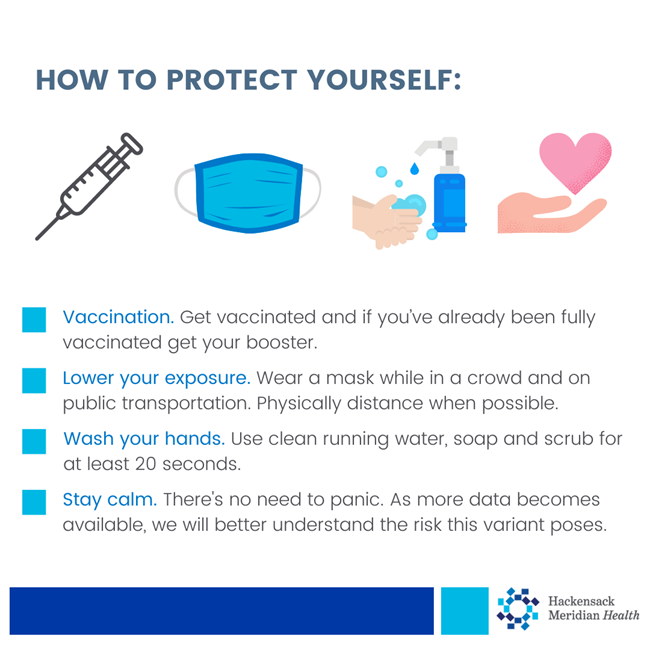
- Get vaccinated and if you’ve already been vaccinated get your booster.
- Lower your exposure. Wear a mask while in a crowd and on public transportation. Physically distance when possible.
- Wash your hands.
“The key question with Omicron is whether there is immune evasion, if it evades your immune system and you’re not vaccinated I think you’re in trouble and we’re going to wind up seeing our hospitals full of patients again,” concludes Dr. Lahita.
Next Steps & Resources:
- Our source: Robert Lahita, M.D.
- To make an appointment with a doctor near you, call 800-822-8905 or visit our website.
- Schedule you or your child’s COVID-19 vaccine appointment.
Find a doctor near me
Diabetes and COVID-19: Staying Healthy
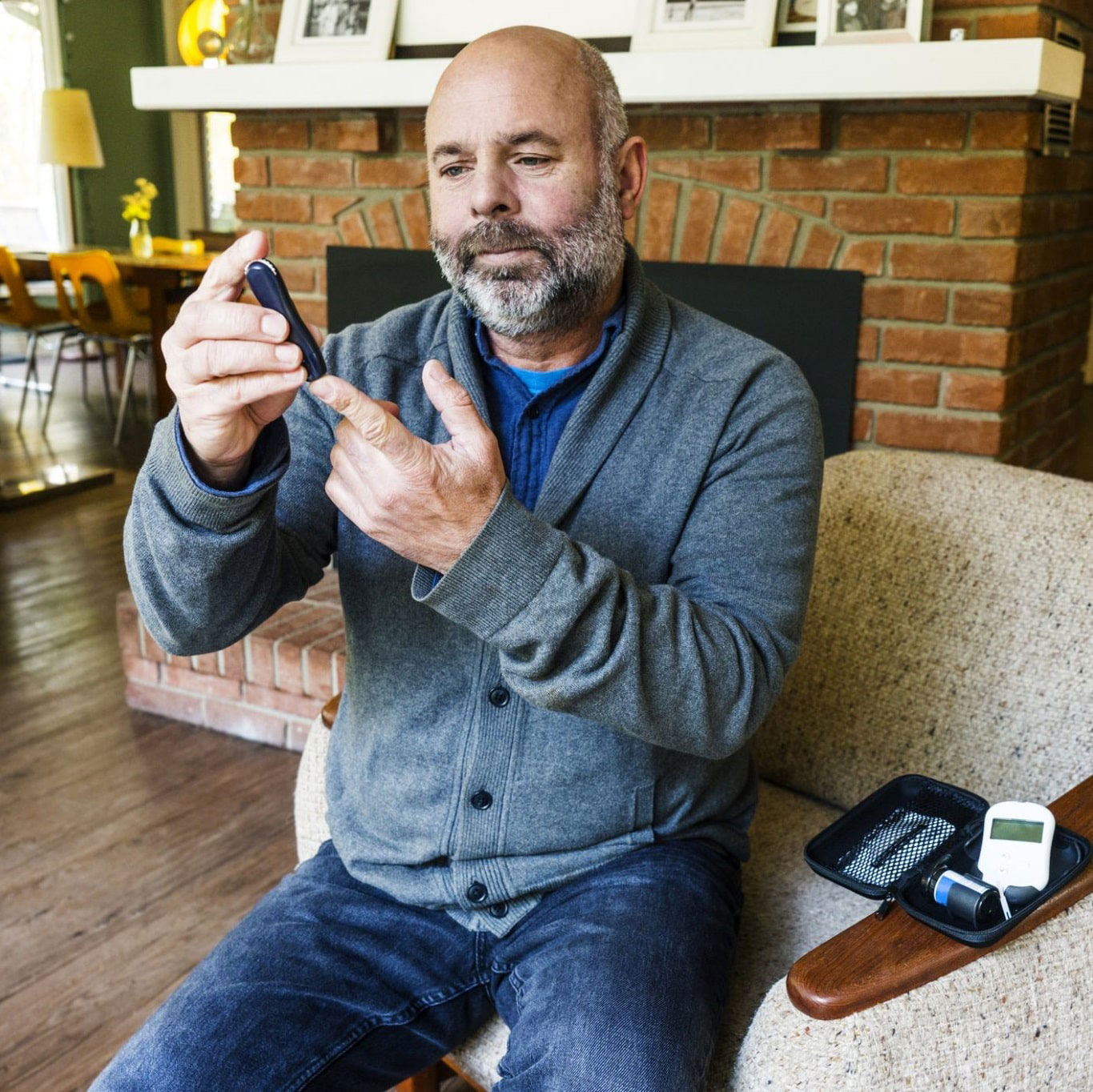
People with diabetes are not more likely to get COVID-19 than the general population, according to the American Diabetes Association.

When & How to Schedule a Virtual Visit if You’re Feeling Sick
One valuable resource that allows you to visit a doctor without sitting in a waiting room is telemedicine. Learn more.

Drugs & Alcohol Are No Way to Cope
Heightened anxiety can manifest itself in a variety of harmful behaviors, not least among them the increased use of drugs and alcohol.