


The COVID-19 vaccines are very effective at preventing infection, serious illness, hospitalization and death, however there is still a chance for a breakthrough infection.
When a fully vaccinated person tests positive for COVID, it’s called a breakthrough infection.
We connected with Hackensack Meridian Health's chief physician executive, Daniel Varga, M.D., to evaluate breakthrough case data and understand how common it is, symptoms to expect, and what to do if you find yourself testing positive.
How common are breakthrough infections for fully vaccinated individuals?
Data from January 19 to November 15, 2021 showed over 5.8 million fully vaccinated individuals in New Jersey:
- Less than 1% of the vaccinated population had a breakthrough infection
- .02% of those fully vaccinated required hospitalization for COVID
- 314 COVID-related deaths among fully vaccinated (0.005%)
The CDC reported that in September, an unvaccinated individual had 5.8 times the risk of testing positive and were 14 times more likely to die from COVID, compared to a fully vaccinated person.
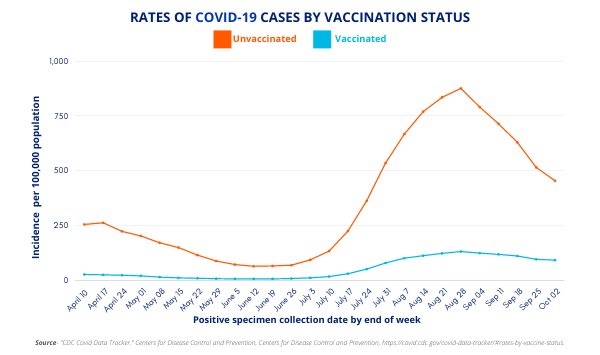
“Unfortunately, we’re still learning how long antibody protection lasts from the COVID-19 vaccine, that’s why getting your booster shot is so important,” shares Dr. Varga. “We’re seeing virtually no cases of folks testing positive within the four months after being fully vaccinated. For four to six months, your protection is very strong.”
Bottom line: Breakthrough cases can happen. “What’s critical to understand is that yes, you may get infected after vaccination, but you are significantly less likely to experience severe illness, hospitalization or death,” adds Dr. Varga.
What are the symptoms of a breakthrough COVID case?
Those who are fully vaccinated and test positive, tend to experience a much milder case of COVID. Symptoms of a breakthrough infection are similar to typical COVID cases, including:
- Fever or chills
- Cough
- Fatigue
- Muscle or body aches
- Headache
- Shortness of breath or difficulty breathing
- Sore throat
- Congestion or runny nose
What to do if you test positive for COVID-19:
If you test positive for COVID:
- Stay home. Only leave for medical care.
- Separate yourself from other people in the home. If you must be around other people or pets, wear a mask.
- Monitor your symptoms.
- Wash your hands and clean “high-touch” surfaces often.
“This season we’re worrying about rising cases of the flu alongside COVID,” shares Dr. Varga. “Wash your hands, wear a mask, and get vaccinated for the flu and COVID, and if it’s been six months since your primary COVID vaccine dose, get your booster shot.”
Next Steps & Resources:
- Meet our source: Daniel Varga, M.D.
- To make an appointment with a doctor near you, call 800-822-8905 or visit our website.
Find a doctor near me
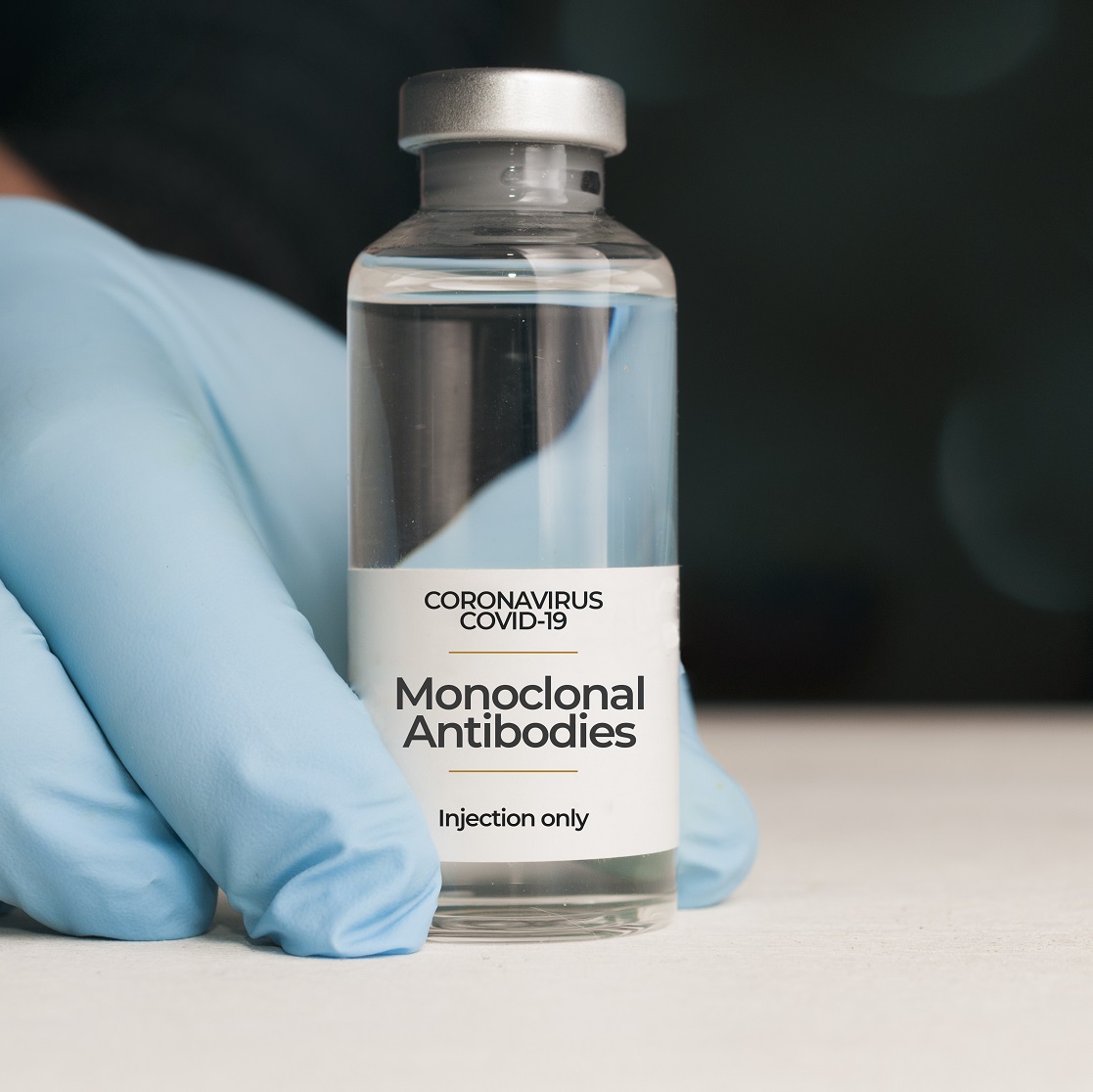
How Monoclonal Antibodies Help Treat COVID
Learn how monoclonal antibody therapy can help treat COVID-19. Dr. Sawczuk explains eligibility and safety. Call 800-822-8905 for an appointment.

When to Use an At-Home COVID Test Kit
At-home COVID tests: Learn when to use them, types available, & reliability from Dr. Cicogna. Get testing info & schedule an appointment.
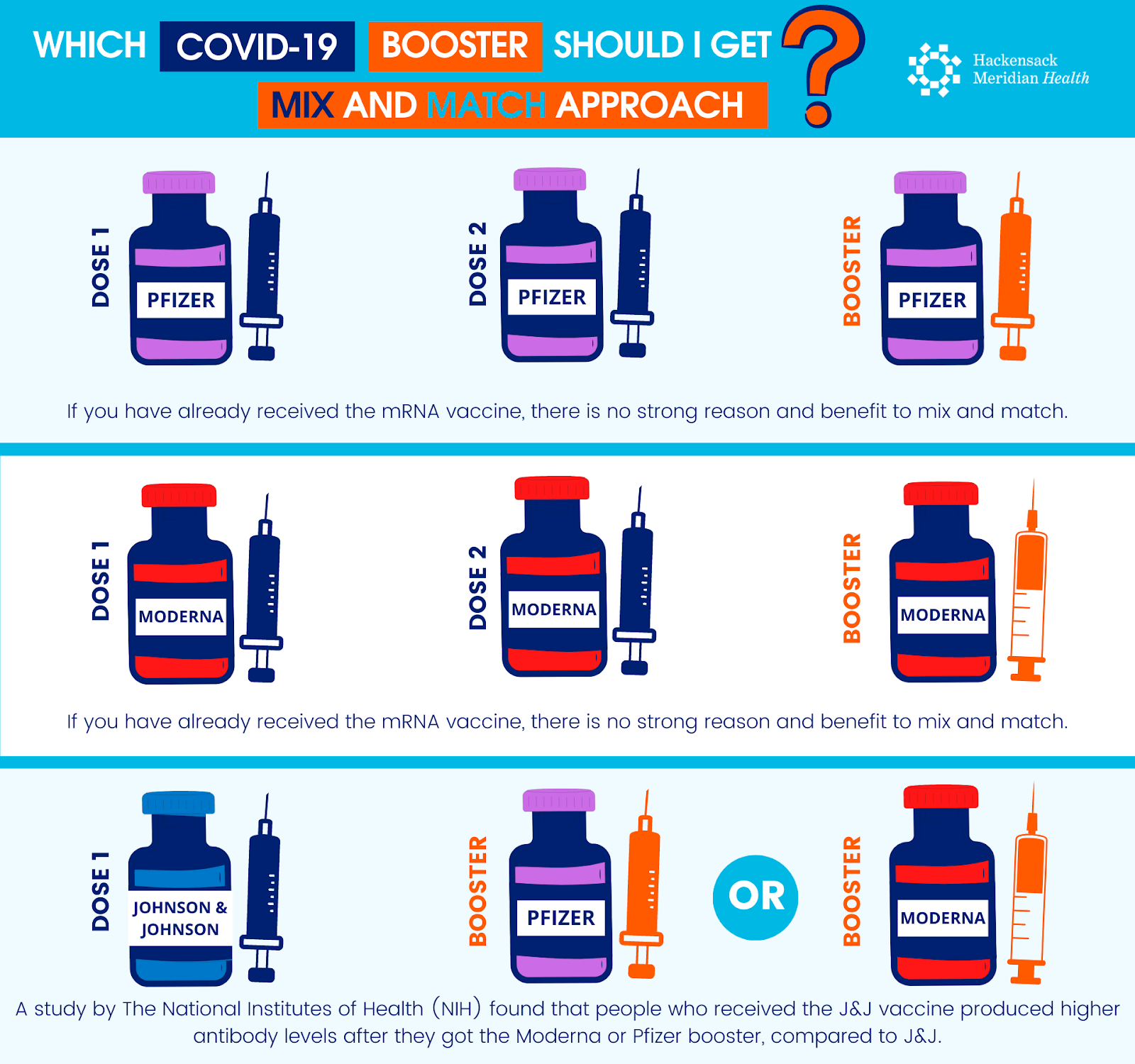
Mix and Match COVID-19 Booster: Which Shot Should You Get?
As more and more Americans become eligible to receive the Covid-19 booster, you will be faced with a choice: Which COVID-19 booster should you receive?

Should We Worry About the Omicron Variant?
Understand the Omicron variant. Dr. Lahita explains risks & prevention. Get vaccinated & boosted for protection. Call 800-822-8905.