

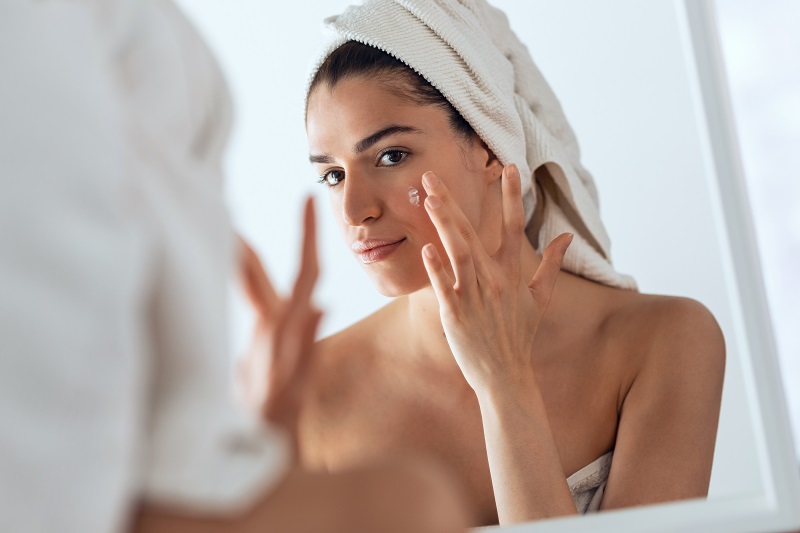
Putting spots of toothpaste on your pimples seemed like a simple hack that was believed by many to keep acne away. It all came down to the chemical, triclosan, which could work to break down bacteria that would produce breakouts or make acne worse.
Other ingredients commonly found in toothpaste that were suspected of acne help include alcohol, hydrogen peroxide and baking soda. Each of these ingredients can work as a drying agent for your zits and were believed could shrink them through this drying process.
Do any of these ingredients actually help?
According to the FDA, triclosan has recently been reevaluated and taken out of many products due to questions surrounding its effectiveness and safety for use. Most toothpaste manufacturers have since then stopped putting triclosan in their products.
As for the drying ingredients, putting alcohol, hydrogen peroxide and baking soda on your skin through toothpaste can irritate it and cause more harm than good.
Alcohol
The American Academy of Dermatology Association recommends against using acne products that contain alcohol as they can be too harsh on your skin. Alcohol may make your acne worse by reddening, irritating or drying your skin too much.
Hydrogen peroxide
Known mainly for its cleaning capabilities, hydrogen peroxide can kill bacteria and works to dry skin as well. However, hydrogen peroxide may work against the natural healing process of the skin and cause scarring to occur or intensify.
Baking soda
Your skin naturally has a protective barrier. Baking soda has the ability to remove this barrier when used directly on skin and disrupt the natural bacteria used against infection and acne. With its stripping capabilities, baking soda can leave your face defenseless and more prone to breakouts.
Each of these ingredients found in toothpaste can do more damage to your skin than the acne, introducing new problems such as infection, inflammation and acne scars. There are alternatives available for treating your facial acne that have more benefits and less consequences.
What can I use to help my acne?
There are numerous products and habits that you can implement into your routine to help treat your acne:
- Avoid touching your face. Your hands and nails carry dirt and bacteria throughout the day that can cause a breakout.
- Wash your face twice a day. Use warm water, a washcloth and a gentle cleanser.
- Let your skin do the work. Try not to pop, pinch or squeeze pimples. Although it seems as though it helps, it increases your risk of acne scars and prolongs their time on your face.
- Be careful in the sun. Always wear sunscreen when outdoors. Tanning is never “healthy” and some acne treatment products make your skin more sensitive in the sun.
- Shampoo frequently. Oily hair can contribute to pimple formation and breakouts, especially along the hairline.
- Moisturize. When your skin is dry it produces more oil, which can lead to a breakout. Many acne treatments dry out your skin, moisturizing your skin when it feels dry can help combat this.
Although quick fixes like the toothpaste trick seem tempting and useful, most do not have any real benefits to your skin. Acne treatment is a process and it is important to be patient to see results.
Your skin may not clear up overnight, but in the long run it will look and feel healthier.
Talk to your healthcare provider to try to find a routine or treatment that works for you.
Next Steps & Resources:
- Our source: Robin Ashinoff, M.D.
- To make an appointment with a health care provider near you, call 800-822-8905 or visit our website.
Find a doctor near me
4 Surprising Things That Can Make You Prone to Sunburn
It can be puzzling to develop a sunburn when you think that you’re doing the right things to protect your skin.
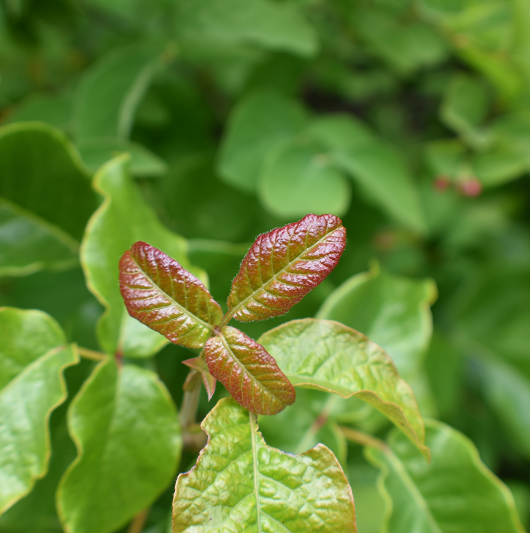
What Does Poison Ivy Look Like & What to Do If I Touch it?
Know how to spot a poison ivy plant and the steps to take if your skin has come in contact with the pesky plant.

Nail Biting: Is it That Bad?
Stop nail biting. Learn how this habit harms teeth, gums, and overall health. Dr. Condello offers tips to quit. Get healthy nails now.
What Type of Doctors Work at an Urgent Care?
Find expert doctors at urgent care. Family medicine, internal medicine, sports medicine, and emergency medicine physicians provide care. Convenient on-site services available.