

It’s true that two of the biggest risk factors for many types of cancers are age and genetics. But that doesn’t mean it’s all up to fate and time.
Priti Patel, M.D., radiation oncologist at Riverview Medical Center, says there are steps you can take to reduce your chances of a cancer diagnosis. To that end, she offers the 5 things she would never do:
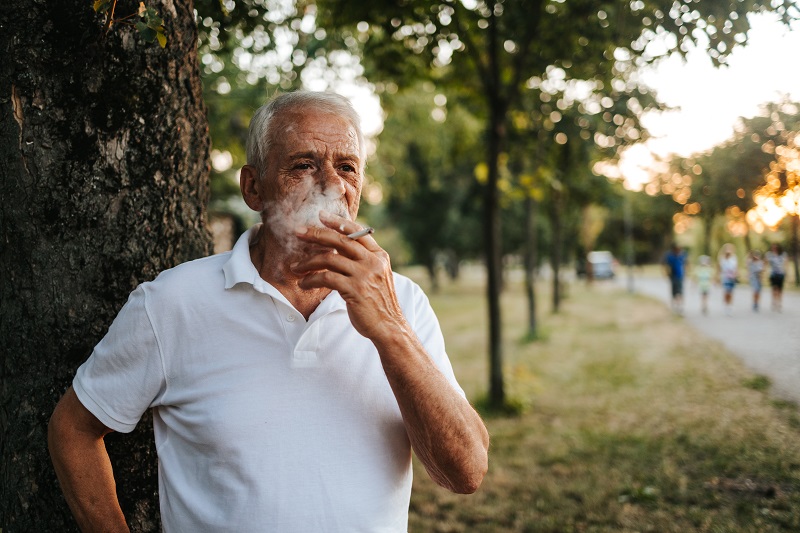
1. I would never smoke cigarettes.
According to the Centers for Disease Control and Prevention (CDC), tobacco use is the leading preventable cause of cancer. Nearly 9 out of 10 lung cancer deaths are caused by smoking. Smoking has also been linked to numerous other types of cancer.
“Smoking can also cause head and neck cancer, bladder and esophageal cancer,” Dr. Patel says. If you need help quitting smoking, find a smoking cessation class near you.
2. I would never skip using sunscreen.
Skin cancer is the most common cancer in the United States and is mainly caused by too much exposure to ultraviolet light, making it extremely preventable. Avoiding the sun is your best bet, but if you are going to be exposed, using a broad-spectrum sunscreen with an SPF of 15 or higher is recommended.
Any change in skin color means the skin has been damaged, so don’t skip the sunscreen and make sure to reapply as necessary. “While it might not affect you right now, it’s something that could affect you years later,” Dr. Patel says.
3. I would never skip small opportunities for exercise.
Exercise is vital to good health and combating obesity. But life is busy, and finding time to exercise can be challenging. Using small moments to sneak in some exercise can help.
Dr. Patel suggests: “Take a walk during a lunch break or bike to work if that’s a possibility. Physical inactivity has been linked to colon, breast and uterine cancers.”
4. I would never make red meat, processed meat or alcohol a regular part of my diet.
Another factor in preventing obesity is having a healthy diet. Research suggests that working toward a plant-based diet and drinking less may reduce your risk for many types of cancer. In addition, according to the World Health Organization, there is evidence linking red meat consumption to colon cancer.
5. I would never opt out of cancer screenings.
Cancer screenings are important because they can detect cancer early, possibly before symptoms appear. Early detection increases the likelihood of effective treatment. If you have a family history of breast, prostate or colon cancer, your doctor may advise earlier screenings that could help provide you with a better outcome if you were diagnosed.
“Talk to your primary care physician because screening recommendations can be based on your symptoms, lifestyle, age or family history,” Dr. Patel says. Schedule a screening today.
Next Steps & Resources:
- Meet our source: Priti Patel, M.D.
- To make an appointment with a cancer specialist near you, call 800-822-8905 or visit our website.
Find a doctor near me
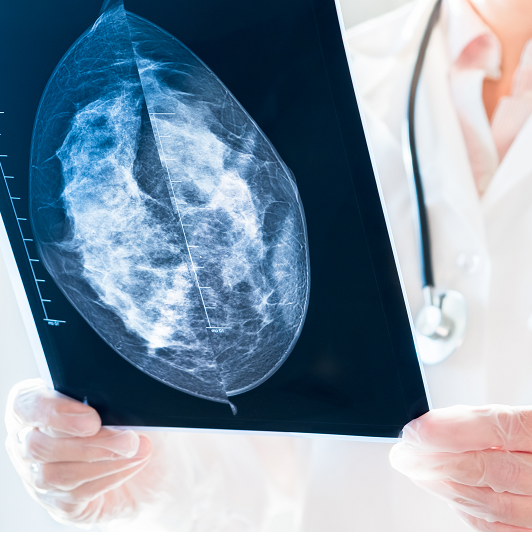
Should You Be Worried About an Abnormal Mammogram?
Getting called back for follow-up after a screening mammogram can be frightening, but knowing what to expect can ease the anxiety.

Know the Early Signs of Metastatic Breast Cancer
Learn early metastatic breast cancer signs. Doctors Campo and Borofsky share vital info for early detection & treatment. Schedule a mammogram today.
7 Tips to Prepare for Your First Mammogram
Prepare for your first mammogram with Dr. Chuang's 7 tips. Learn how to ease anxiety and ensure a smooth experience at Mountainside Medical Center. Schedule now.
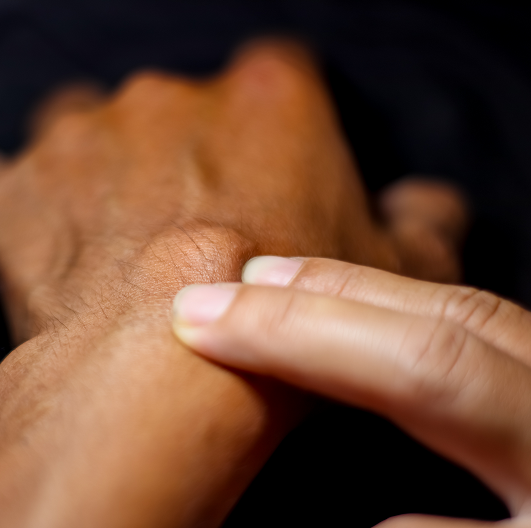
What’s That Lump? Identifying Cysts, Lipomas and More
Here’s a quick guide to the different types of lumps and what you should know about them.