


Updated March 18, 2025
Cancer can be scary. But cancer deaths have been falling since the early ‘90s—thanks in part to earlier diagnosis. Spotting cancer at an early stage gives you the best chance of treating and beating it. But along with regular screening, it’s important to know the signs and symptoms.
Michael P. Del Rosario, M.D., a colorectal surgeon at Southern Ocean Medical Center, explains what colon cancer feels like and when to talk to your doctor about unusual symptoms.
Colorectal Cancer By the Numbers
Colorectal cancer is the second most common cause of cancer death in the United States. According to the American Cancer Society, about 1 in 23 for men and 1 in 26 for women will develop colorectal cancer in their lifetime.
Until recently, most cases of colorectal cancer were in older adults. But since the early 2000s, it’s become more common in adults under 50. For this reason, the new recommended age to start screening for colorectal cancer is 45.
Signs and Symptoms of Colorectal Cancer
Signs of colorectal cancer can feel like everyday stomach upset and gastrointestinal issues like constipation. The key is to note how long the symptoms last. Some symptoms that might be caused by colon cancer include:
- Extreme tiredness: A slow-growing tumor can reduce your body’s ability to make red blood cells, Dr. Del Rosario says. Fewer red blood cells can make you feel tired.
- Changes in your bowel activity: Constipation and diarrhea can be signs of colon cancer, but they could also be due to diet, medication and many other factors. Changes in the shape of your stool could also be a sign of cancer. If a tumor narrows the passageway of your colon, your stool can become thin.
- Blood in your stool: Blood in your stool is usually a sign of hemorrhoids, but it can also be colon cancer.
- Unexplained stomach pain: Pain due to a growing tumor may come and go. It can feel like gas, burning or a nagging discomfort. Even if the pain isn’t intense, tell your doctor if it lasts for more than a couple weeks.
- Weight loss without trying: As a tumor grows, it absorbs more of your proteins and other nutrients, leading to weight loss.
If any of these symptoms last longer than a two to three weeks, let your doctor know. They may be able to rule out other conditions or find a much more common cause for your symptoms and treat them.
Read More: Other causes of blood in stool
Screening Catches Silent Symptoms
Unfortunately, many people with colorectal cancer may not “feel anything” symptoms or may not see early signs of it.
“The very first signs of colorectal cancer are often subtle,” says Dr. Del Rosario.
“Some people think if you don’t feel anything wrong in your belly, there’s no need to screen for colorectal cancer. Unfortunately, having no symptoms is quite common, which makes screening so important,” he adds.
“Most colon cancers are picked up in people who have no symptoms. Timely, regular screening can even catch pre-cancerous tissue.”
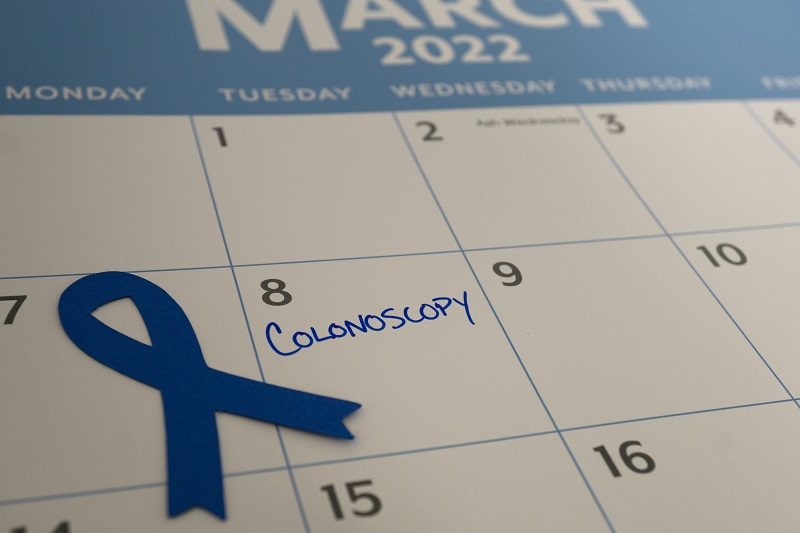
The standard screening for colorectal cancer is a colonoscopy, a visual exam of your colon. During the procedure, your doctor will check for any signs of cancer, like blood or unusual growth, called polyps. If they see anything concerning, they can remove it during the exam. If you are low risk, don't have polyps or a family history of colon cancer, you may be a candidate for stool testing. Consult your physician to determine the best option for you.
Next Steps & Resources:
- Meet our source: Michael P. Del Rosario, M.D.
- Make an appointment online with a gastroenterologist near you, or call 800-822-8905.
- Schedule a Screening: Detect issues early and ensure peace of mind by scheduling a screening.
Find a doctor near me
Colonoscopy vs. At-home Screening: Which Is Right for You?
Colon cancer is one of the leading causes of cancer deaths in the United States. Here’s what you should know about screening options available.
Colon Cancer On the Rise in Young People
Colon Cancer in Young Adults: Dr. Knowles explains the rise and shares prevention tips. Learn more and schedule a consultation today.

Are Colon Cleanses Safe?
Colon cleanses: Learn the facts from Dr. Nandra. Discover safer ways to maintain colon health. Schedule an appointment today.

Fainting Episode Leads to Shocking Colon Cancer Diagnosis
After passing out at an outdoor summer event, Carin Givens, 50, underwent a battery of tests and screenings that led to his life-saving colon cancer diagnosis and treatment