


Spit-up is a part of having a newborn. According to the American Academy of Pediatrics, about 50 percent of babies spit up. This is mostly due to stomach bloating, or distension, after eating. If the spitting up doesn’t require effort, and doesn’t interfere with your little one’s weight gain, you have what experts refer to as a “happy spitter.”
“In these cases, there isn’t a cause for concern,” says pediatric gastroenterologist, Shamila B Zawahir, M.D. “Still, there are some tricks you can try to reduce spitting up.”
1. Feed Smaller Amounts
Try giving your baby less per feeding. Overfilling their stomach can exacerbate the problem. If you are breastfeeding, try nursing only one side per feeding and pump the other side to see if this helps.
2. Wait Longer Between Feedings
You don’t want to add more milk to an already full stomach, so try waiting a bit longer between feedings to let the stomach empty before feeding again.
3. Reduce Stomach Pressure
Adding pressure to the stomach right after meals can increase spit up, so make sure your baby’s diaper isn't too tight and only allow gentle play so their stomach can settle.]
4. Change Post-Feeding Position
Keep your baby upright for the recommended 30–60 minutes after feeding. Try holding them in an upright position or put them in a front or backpack carrier or swing.
5. Reduce Pacifier Time
A pacifier can increase the amount of air that is swallowed, making spitting up after feeding more likely. This can also happen with bottle feeding when the nipple hole is too small. Make sure the nipple isn’t clogged. You can also use nipples with more or larger holes if necessary.
6. Burp Multiple Times per Feeding
While this is less important than smaller feeding amounts, you can burp your baby two to three times per feeding. But remember, a burp won’t always occur. Sometimes a baby just doesn’t need to burp.
When Reflux Is a Problem
In rare cases, babies spitting up may be a sign that they have developed gastro-esophageal reflux disease (GERD). Signs of GERD are:
- Poor weight gain or weight loss
- Constant irritability
- Choking on spit up milk
- Vomiting
If your baby is spitting up and is experiencing symptoms of GERD—particularly if they are vomiting—you should take them to their doctor. True vomiting in infants is rare and can be a sign of a serious problem, so don’t wait to see if the issue resolves on its own.
Generally, reflux gets better as your baby gets older and is completely normal, but if something seems amiss or you see a sudden change, seek medical attention.
Next Steps & Resources:
- Meet our source: Shamila B Zawahir, M.D.
- To make an appointment with Dr. Zawahir or a pediatrician near you, call 800-822-8905 or visit our website.
Find a doctor near me
Tongue & Lip Ties: Is Surgery Necessary?
Tongue & Lip Ties: Learn about treatment options from Dr. Chee. Address breastfeeding, speech, and dental concerns. Schedule an appointment today.
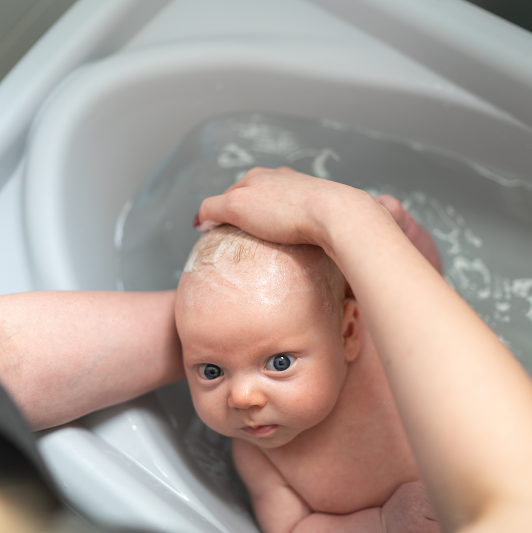
Bathing 101: How to Bathe Your New Baby
Newborn bath tips from Dr. Olorunnisola. Learn how to safely bathe your baby, before & after the umbilical cord falls off. Call 800-822-8905 for care.

What Does Your Baby's Poop Mean?
Understand your baby's poop. Dr. Shaul explains what's normal and when to call a pediatrician. Get expert advice now.
At-home Cold Remedies for Kids
Kids' cold remedies: Dr. Terrin shares at-home treatments for symptom relief. Get expert advice & resources. Call 800-822-8905.