

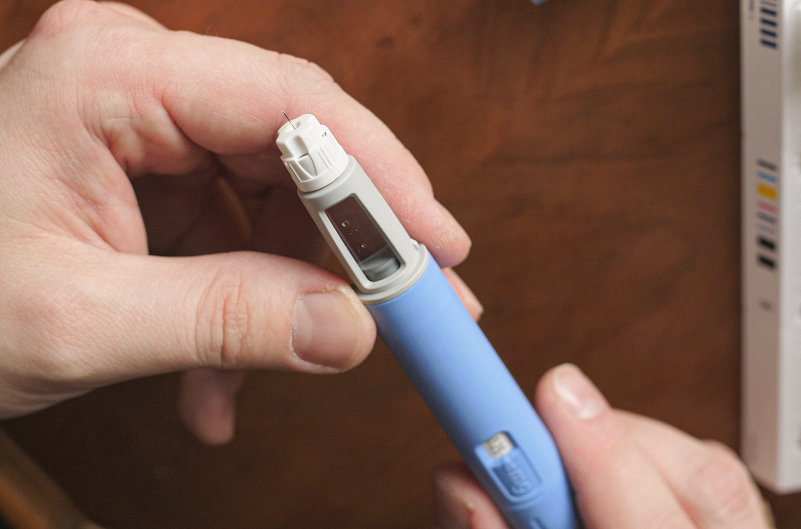
Historically, doctors and parents adopted a “watch and wait” strategy to combat childhood obesity—delaying treatment to determine if a child would “outgrow” the condition over time. But today, more doctors are prescribing weight-loss medications for adolescents.
But are these drugs safe for kids? Yes, says Marianna Nicoletta-Gentile, D.O., pediatric endocrinologist at Jersey Shore University Medical Center, all six FDA-approved anti-obesity drugs are safe when used appropriately, widening the options for kids and their parents.
The American Academy of Pediatrics (AAP) released updated guidelines in January 2023 recommending that children who struggle with obesity should be offered intensive treatment options earlier, including medications for those as young as age 12. The AAP’s more aggressive stance comes at a time when obesity rates among kids continue to increase.
About one in five kids in the United States has obesity, making it one of the most common chronic pediatric diseases, according to the U.S. Centers for Disease Control and Prevention.
“I’ve definitely seen a significant increase over the last two or three years in young patients with obesity,” Dr. Nicoletta-Gentile says. “The pandemic seemed to influence this rise, whether due to a lack of activity, changes in eating patterns or people staying home more. There is also an increased incidence of type 2 diabetes in younger patients.”
Reasons to Consider Weight-loss Medication for Kids
In kids, obesity is defined as a body mass index (BMI; a person’s weight in relation to their height) that reaches or exceeds the 95th percentile—meaning they are larger than 95% of children their age and gender. The condition, believed to stem from genetic, environmental and lifestyle factors, can lead to serious short-term and long-term health problems.
“The idea behind the AAP’s new guidelines is the belief that delaying treatment for obesity will lead to an increased risk of lifelong health problems, including diabetes, high blood pressure and depression, as well as a higher likelihood of obesity in adulthood,” Dr. Nicoletta-Gentile says.
But weight-loss medications don’t replace fundamental efforts to combat obesity such as changes in lifestyle or behavior. “The drugs are definitely an add-on to lifestyle behaviors,” she says. The drugs should only be considered if:
- Consistent measures, such as diet and exercise, haven’t worked
- A child is predisposed to obesity because of their family history
- A child already has type 2 diabetes or insulin resistance or other conditions that may be due to obesity, such as high blood pressure or high cholesterol
All children with obesity—regardless of whether they’re prescribed weight-loss drugs—should also receive regular health exams and nutrition counseling.
“We talk to them about portion control, eating more fruits and vegetables, avoiding sugary drinks and snacks, and incorporating 60 minutes of activity each day,” Dr. Nicoletta-Gentile says. “All of this is certainly monitored for some time before we consider weight-loss medications.”
Tips for Parents
Your child’s doctor should ask about your family history because certain conditions may be contraindicated in the use of the medications—some conditions make treatment riskier. Not all weight-loss medications carry this increased risk, however.
“We may need to monitor a patient more closely or consider not using a medication if their family history includes these conditions,” Dr. Nicoletta-Gentile says. “Like all medications, there are side effects that your doctor needs to discuss prior to starting treatment.”
She also offers these tip for parents:
- Schedule regular follow-up visits with your child’s doctor to monitor the medication’s use and effects.
- Make sure your child takes the medication as directed.
- Continue to support healthy lifestyle changes that promote weight control, including diet and exercise.
Next Steps & Resources:
- Meet our source: Marianna Nicoletta-Gentile, D.O.
- To make an appointment with a pediatric specialist near you, call 800-822-8905 or visit our website.
Find a doctor near me

What Are the Rules of Intermittent Fasting?
Learn intermittent fasting rules from Dr. Nangeroni. Discover different fasting schedules and tips for weight management. Call 800-822-8905 to schedule an appointment.

How You Can Eat Carbs and Still Lose Weight
Eat carbs & still lose weight? Dr. Varghese shares expert tips for healthy eating. Learn how to make better food choices and improve your health. Call 800-822-8905.

How to Support Your Child's Mental Health
Support your child's mental health. Learn practical tips from Dr. Vieux at Hackensack University Medical Center. Get resources and support now.

3 Things to Stop Saying To Your Child
Avoid harmful phrases to children. Dr. Vieux offers guidance on building trust and improving communication. Learn tips for better parenting. Call 800-822-8905.