

Postpartum is a crucial period for a woman's body to heal and recover from the changes that occur during pregnancy and childbirth. Engaging in gentle exercises and movements can help to speed up recovery and improve mental health.
“The best movements to practice in postpartum can vary depending on individual circumstances, such as the type of delivery and any complications during pregnancy and childbirth," says both Andrea Rodgers and Kathryn Petersen, senior physical therapists from Hackensack Meridian Rehabilitation at Neptune.
Here are some of the best movements to practice during postpartum:
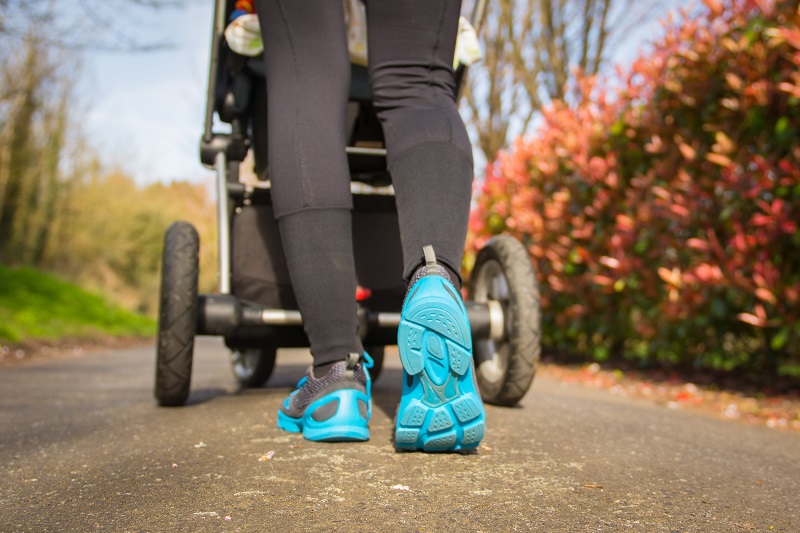
Walking is a low-impact exercise that can be done safely after giving birth. It helps to increase circulation, build endurance, and improve mood.
Diaphragmatic breathing involves taking deep breaths into the belly, which can help promote relaxation, reduce stress, and improve core strength. To practice diaphragmatic breathing:
- Find a comfortable position, either sitting or lying down
- Place one hand on your chest and the other on your belly
- Inhale deeply through your nose, allowing your belly to expand as you breathe in. Be sure not to puff your stomach out with your muscles, just allow your breath to gently raise your abdomen. The upper chest should only rise a little
- Exhale slowly through your mouth, and allow your abdomen to sink back down
- Repeat for several minutes, gradually increasing the length of your inhalations and exhalations as you become more comfortable with the technique
Pelvic floor contractions, also known as Kegel exercises, can be a helpful technique for postpartum women as they can help to strengthen the pelvic floor muscles that can be weakened during pregnancy and childbirth. To do this:
- Locate the pelvic floor muscle and tighten it (imagine you are trying to stop the flow of urine or trying to hold in gas)
- Hold the contraction for up to 10 seconds, making sure to breathe normally
- After holding the contraction for up to 10 seconds, relax the muscles and allow them to return to their resting state for a few seconds, then repeat
- Repeat throughout the day with your goal being at least 30 repetitions over the course of the day
Pelvic tilts can help to strengthen the abdominals and gently stretch the lower back muscles, improve posture, and reduce lower back pain. To do this:
- Lie on your back with your knees bent and feet flat on the ground, hip-width apart
- Place your hands on your hip bones to feel the movement of your pelvis
- Inhale deeply through your nose
- As you exhale, gently tilt your pelvis backward, flattening your lower back against the floor. Imagine that you are tucking your tailbone under you
- Hold the contraction for a few seconds
- Inhale again and release the contraction, allowing your lower back to return to neutral
- Repeat the exercise for several repetitions
Remember to always consult with a health care provider before starting any new exercise program, especially during the postpartum period. It's important to listen to your body and take things slow, gradually increasing your activity level as you feel comfortable and able.
Next Steps & Resources:
- Meet our sources:
- Andrea Rodgers, PT, DPT, CLT-LANA, Senior Physical Therapist
- Kathryn Petersen, PT, DPT, CLT-LANA, Senior Physical Therapist
- To make an appointment with a doctor near you, call 800-822-8905 or visit our website.
Find a doctor near me
What Causes the Baby Blues? How to Reset Your Brain
Up to 80% of women experience the “baby blues”. Maternal fetal medicine expert, Antonia Francis Kim, M.D. shares why this happens and how to get through it.
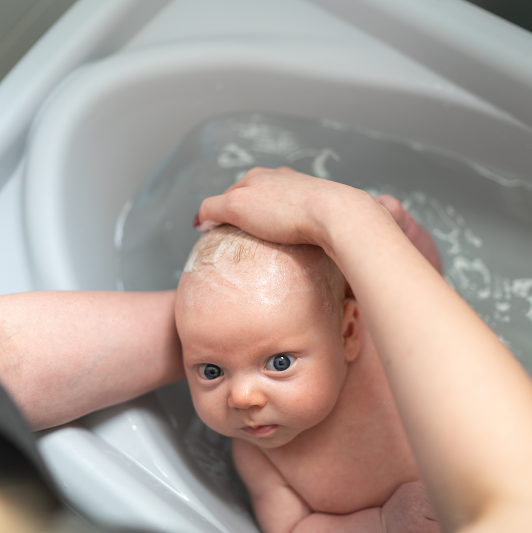
Bathing 101: How to Bathe Your New Baby
Newborn bath tips from Dr. Olorunnisola. Learn how to safely bathe your baby, before & after the umbilical cord falls off. Call 800-822-8905 for care.

What Does Your Baby's Poop Mean?
Understand your baby's poop. Dr. Shaul explains what's normal and when to call a pediatrician. Get expert advice now.

How To Keep Your Sleeping Baby Safe
Safe baby sleep practices from Joseph M. Sanzari Children's Hospital experts. Reduce SIDS risk. Learn essential tips & habits to protect your baby. Call 800-822-8905.