

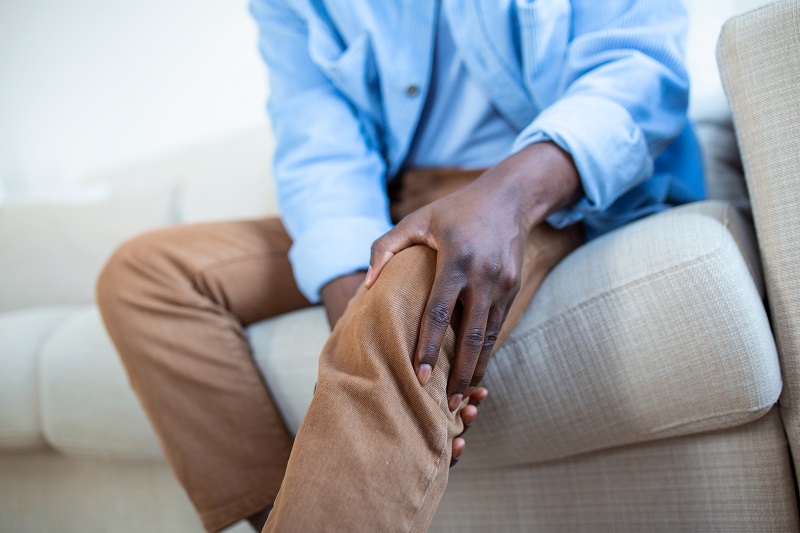
Clicking, popping, cracking, grinding and creaking sounds are fairly common, and most often are more of a nuisance than anything. If you hear the clicking sound without any pain, swelling or other symptoms it shouldn’t be a cause for concern. In some cases, the causes of joint cracking is unknown, however, joint clicking can sometimes signal other underlying conditions or problems.
Why are my joints cracking?
The underlying cause of clicking joints can be related to various parts of the body, including:- Tendons: tissue that connects the muscle to the bone
- Ligaments: tissue that connects bone to bone
- Cartilage: tissue that protects your joints and bones
The most common joint that cracks or pops is the knee, but other joints can make noise as well such as the hip, neck, spine, back and shoulder.
There can be many normal reasons for these joints to crack and cause a noise including:
- Air bubbles inside the joint that pop
- Tendons or ligaments sliding over certain structures
- Wear and tear that occurs naturally through age
- Osteoarthritis, where cartilage wears away causing certain areas to be rough and produce noise due to bones not gliding smoothly against each other
Should I be worried that my joints are clicking?
Clicking joints are not always a sign of arthritis. Joint clicking can happen to anyone at any age, and is typically normal and not something to worry about. “Many people get nervous when they hear loud noises coming from their body, but in most cases joint clicking is just a part of everyday life that anyone can experience,” according to orthopedic surgeon, Edwin Theosmy, D.O.
Painful joint popping or clicking can be a symptom of more serious underlying conditions such as arthritis, bursitis, tendinitis, lupus or Sjögren’s syndrome. Osteoarthritis is another cause of joint clicking that can be more serious, as it can relate to other symptoms such as:
- Stiffened or painful joints
- Swelling, especially after periods of use
- Joints that feel loose or unsteady
- Decreased mobility
If you experience any pain, discomfort or swelling when your joints are clicking it can be a sign that there may be an underlying problem. Talk to your doctor about the pain you are feeling to determine how to treat it correctly and relieve your symptoms as soon as possible.
How can I stop my joints from clicking?
“Your joints are more likely to make noise if you spend long periods of time sitting or staying still, causing them to stiffen up. The best way to avoid clicking or popping in your joints is to stay active," according to Dr. Theosmy.
Regular exercise helps to keep your joints strong. If you have osteoarthritis exercise, particularly low-impact routines, can also help to prevent cartilage from breaking down, stop bone loss and reduce inflammation. Some exercises that can help strengthen your joints and the muscles around them include:
- Aerobic exercise such as cycling, running on smooth surfaces, and walking
- Strength training or weight lifting
- Stretching
- Neuromuscular exercise such as plyometrics, core strengthening, resistance training and speed training
- Balance training
- Aquatic exercise such as swimming
Excess body weight can also cause more frequent or uncomfortable joint clicking. In some cases, improving your diet and eating healthy and nutritious foods could help to relieve and reduce joint clicking through weight loss.
Next Steps & Resources:
- Meet our source: Edwin Theosmy, D.O.
- Make an appointment online with Dr. Theosmy or an orthopedist near you, or call 800-822-8905.
- Learn more about orthopedic services offered at Hackensack Meridian Health.
Find a doctor near me
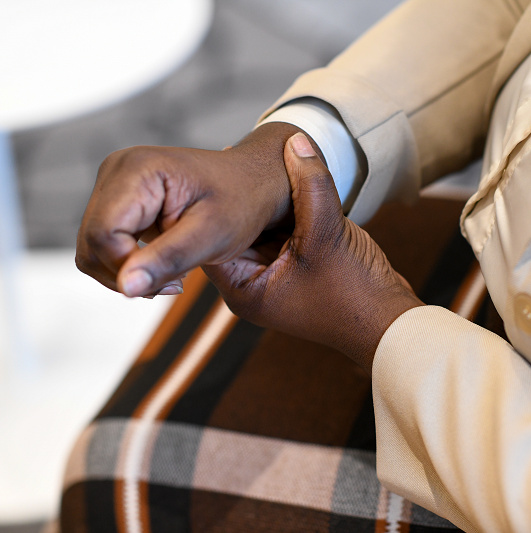
Hand or Wrist Pain? Signs to See a Doctor For Carpal Tunnel Syndrome
Some wrist pain may indicate tendonitis, arthritis or another condition, so you shouldn’t self-diagnose any hand or wrist discomfort. Our expert shares the signs that it's time to see a doctor.
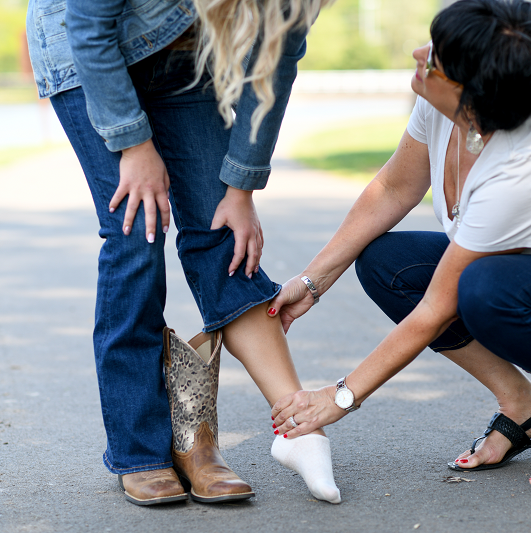
How to Treat Shin Splints at Home When to See A Doctor
Shin splints are a common injury among athletes at all levels. But when should you see a doctor for shin splints and take them seriously?
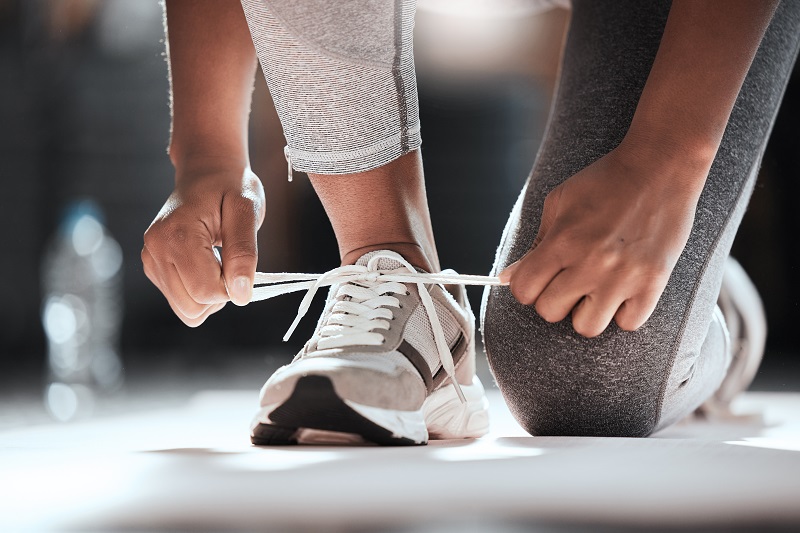
How Can Sneakers Help Relieve Foot Pain?
Find relief from foot pain. Learn how the right sneakers can help. Expert advice from Dr. Econopouly. Call 800-822-8905 for an appointment.
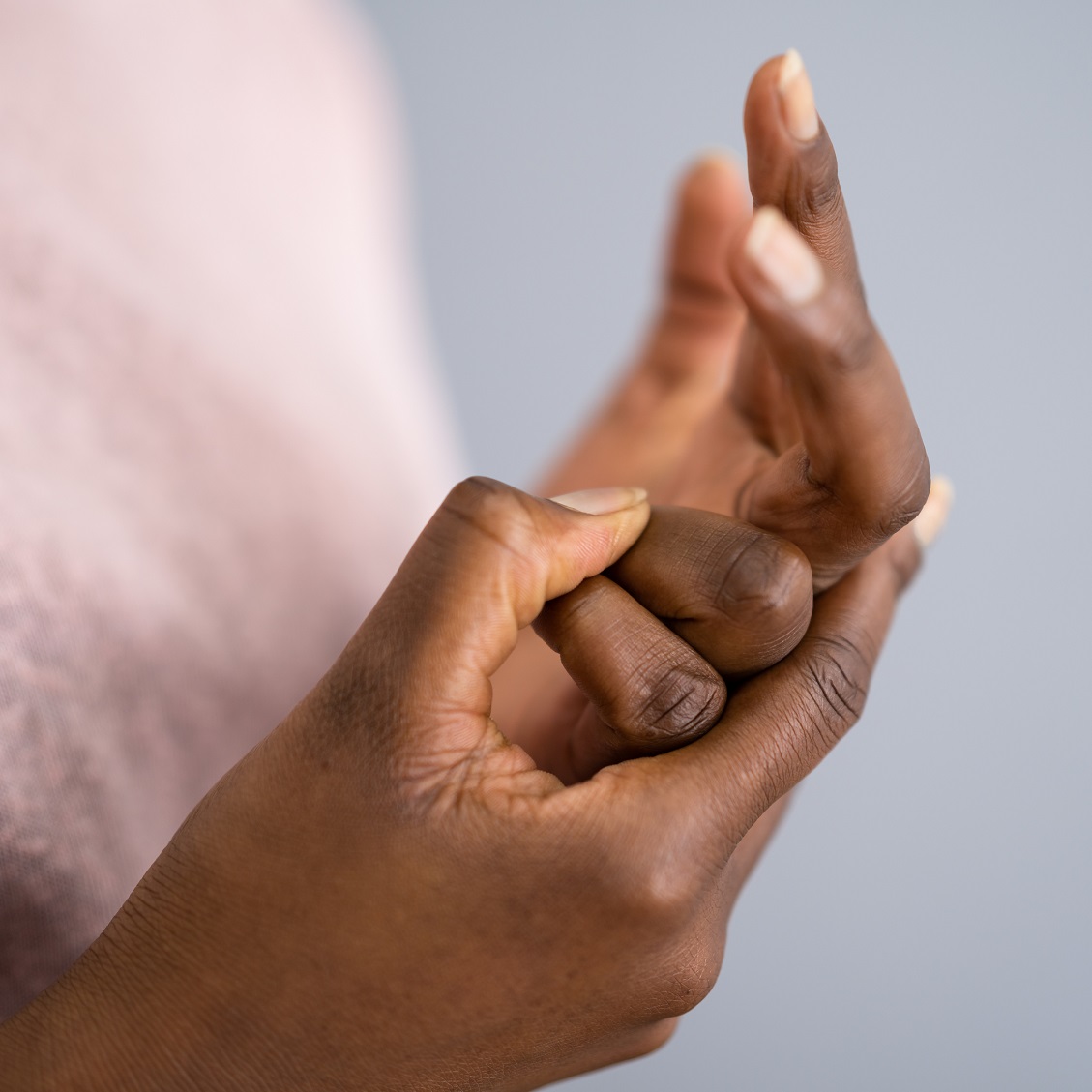
Should I Stop Cracking My Knuckles & Back?
Stop cracking your knuckles & back? Learn why from Drs. Katt & Lopez. Avoid joint pain; get expert advice. Call 800-822-8905.