

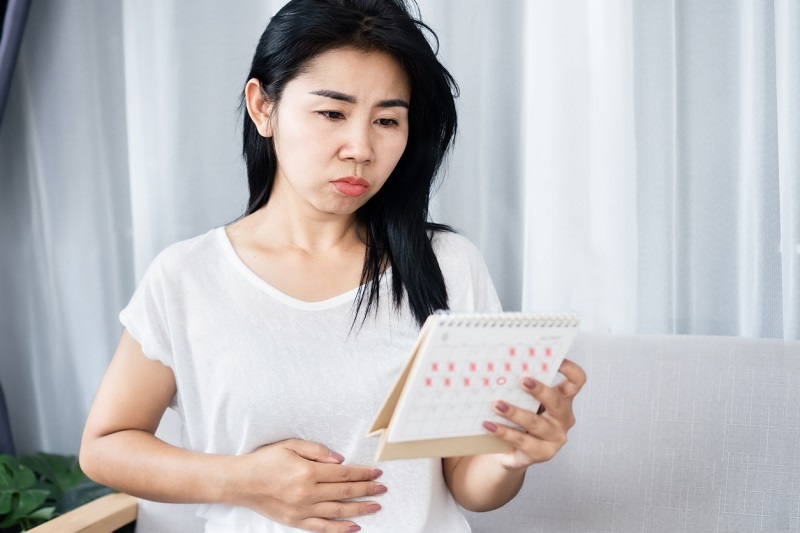
For many women, a missed period can be an unsettling experience. After all, your menstrual cycle is a good indicator of your overall health and well-being.
But the truth is, it's not uncommon to miss a period from time to time, and there are several possible explanations for why this may happen. It's helpful for women to understand the reasons a period might be missed and know when to talk to a doctor about it.
Possible Reasons You Miss a Period
There are several possible reasons why a woman might miss a period.
1. Pregnancy
The most commonly known reason a woman may skip a period is pregnancy. When a woman becomes pregnant, her body stops producing the hormones needed to menstruate, resulting in a missed period.
If you miss a period and think you could be pregnant, a home pregnancy test is a good first step, and your doctor can confirm a positive result. Home pregnancy tests can give accurate results as soon as you've missed a period.
2. Stress
Another possible reason for a missed period is stress. Stress can affect the body in many different ways, including producing the hormone cortisol. For some women, that production of cortisol can lead to a missed period. In extreme cases, sometimes high levels of stress can cause a woman to stop menstruating altogether.
3. Extreme Dieting and Exercising
Dietary changes can impact the menstrual cycle. Extreme weight loss, weight gain and malnutrition can all result in missed periods. Restricting the number of calories you intake can stop the production of the hormones needed to ovulate. For example, athletes who exercise vigorously or engage in extreme diets are at risk of developing amenorrhea, a condition where menstruation stops due to a lack of body fat.
4. Chronic disease
Certain chronic diseases can impact your periods, either because they can cause hormonal imbalances or because they affect the body's ability to absorb essential nutrients. Those may include:
- Celiac disease
- Diabetes
- Thyroid gland disorder
5. Polycystic Ovary Syndrome (PCOS)
PCOS—a common condition that affects up to 12 percent of women of reproductive age, according to the National Library of Medicine—is known to cause irregular periods or missed periods. Women with PCOS have high levels of androgen hormones (sex hormones that play a role in reproduction), which can cause cysts to form on the ovaries and disrupt ovulation.
6. Certain Medications
Medications such as birth control or certain types of antidepressants can cause missed periods. Birth control works by suppressing ovulation, which can lead to lighter or missed periods. Similarly, some antidepressants can affect the levels of hormones that are responsible for menstruation.
7. Early Menopause
Most women start menopause between 45 and 55 years of age, according to the National Institutes of Health. Menopause officially happens when a woman hasn't had a period for 12 months. During the years leading up to menopause, women often experience changes to their menstrual cycles.
When to See a Doctor for a Missed Period
While a missed period may not always be a cause for concern, it's important to pay attention to your body and seek medical help if needed. Your OBGYN can determine the underlying cause of your missed period and provide appropriate treatment if needed.
In addition to seeing a doctor if you have a positive home pregnancy test, there are several other reasons to seek medical attention because of a missed period.
If you missed more than one period or are experiencing other symptoms such as abdominal pain or excessive vaginal bleeding, it is important to speak with your doctor as soon as possible. Additionally, if you have a history of irregular periods or have been diagnosed with a condition such as PCOS, it is recommended to speak with your doctor. In addition, women who have gone through menopause but experience vaginal bleeding should also consult their doctor because it could be a sign of a more serious condition such as uterine cancer.
Next Steps & Resources:
- Make an appointment online with a doctor near you, or call 800-822-8905.
- Learn more about gynecology at Hackensack Meridian Health.
Find a doctor near me
Early Signs of Diabetes in Women
Early Signs of Diabetes in Women: Learn key symptoms like increased thirst & UTIs. Dr. Pandya provides expert insights. Call 800-822-8905 for care.

What to Do When You Find a Breast Lump
Discover breast lump next steps. Dr. Tammaro explains what to do: see your doctor for diagnosis and treatment options. Schedule your appointment today.

How to Naturally Prevent a UTI
Naturally prevent UTIs. Learn tips from Dr. Wheeler for diet, lifestyle changes & hygiene to reduce risk. Call 800-822-8905 for help.
What to Expect During an IUD Placement
IUD Placement: What to Expect. Learn about the procedure from Dr. Pagano at Ocean University Medical Center. Schedule your appointment today.