

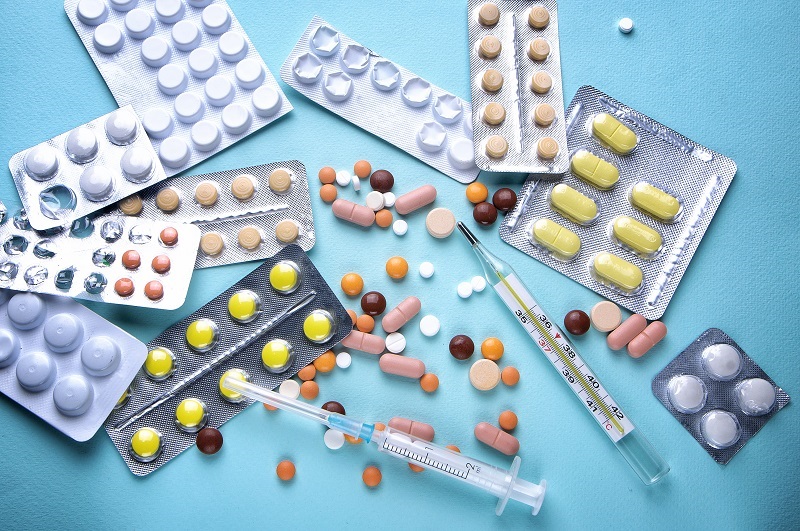
We often hear the term “steroids” in negative association with athletes regarding muscle mass growth for increased athletic performance. But steroids are legal and medically beneficial for a variety of medical conditions.
But what exactly are they? Are steroids hormones? How do they help, and can they potentially be harmful? Our expert, family medicine specialist, Jae Hyun Shim, M.D. weighs in.
What are Steroids?
Hormones are chemicals secreted in the body that help maintain balance and manage many of the body’s natural functions.
Steroids are often known as a man-made form of hormones.
“There are two broad categories of steroids: corticosteroids, the most commonly prescribed steroid, and anabolic steroids,” Dr. Shim says.
- Corticosteroids are manmade drugs that closely resemble a hormone produced by the adrenal glands to help reduce stress as the body fights illness. They can be administered in a wide range of ways, including tablets, inhalers, injections, even creams, ointments or lotions.
- Anabolic steroids are prescribed drugs that mimic the effects of the male hormone testosterone and are often misused to increase muscle mass and enhance athletic abilities.
What Do Corticosteroids Treat?
“Corticosteroids are given when the body’s natural systems are not working properly,” says Dr. Shim. “At times, our bodies allow or even contribute to tissue damage. Corticosteroids can reduce inflammation by quieting the immune system’s response. They have long been used to treat various acute and chronic medical conditions.”
In fact, during the COVID-19 pandemic, corticosteroids were widely used for patients with COVID who had respiratory distress and low oxygen content in the blood.
Corticosteroids can be prescribed for:
- Asthma
- Allergic reactions
- Eczema
- COPD
- Arthritis
- Carpal tunnel syndrome
- Frozen shoulder
- Gout
- Inflammatory bowel disease
- Lupus
- Multiple sclerosis
Corticosteroids can be used in a short term or long term – whether or not the medication needs to be tapered off will depend on the dose of the medication, the condition of the illness and patient’s symptoms.
What Do Anabolic Steroids Treat?
Anabolic steroids may be prescribed to treat:
- Endometriosis
- Delayed puberty
- Muscle loss from cancer or AIDS
Risks and Side Effects of Steroids
As with any medication, steroids do have side effects. These vary depending on dose, type of steroid and length of treatment. If steroid use is brief, it’s possible to experience no side effects at all.
Common side effects include:
- Increased blood sugar
- Increased blood pressure
- Water retention
- Bone loss
- Lower resistance to infection
- Increased growth in body hair
- Mood changes
- Blurred vision
- Difficulty sleeping
- Nervousness/restlessness
Anabolic steroids are more problematic when misused to increase athletic performance. “When anabolic steroids are taken regularly, they can lead to physical and psychological damage that can be long-lasting,” says Dr. Shim.
In addition, anabolic steroids are addictive. So despite unpleasant side effects, your body can crave more, and coming off them can result in withdrawal symptoms.
It’s important not to cut back on steroid use “cold turkey” or all at once—or even try to cut back on dose on your own. Severe withdrawal symptoms can include serious psychological symptoms such as depression, anxiety and mania. “Your doctor will help you manage any symptoms associated with withdrawal and taper your dose as needed,” says Dr. Shim.
“Steroids can be beneficial as long as they are used appropriately,” says Dr. Shim. “But they need to be used with caution.”
Next Steps & Resources:
- Meet our source: Jae Hyun Shim, M.D.
- To make an appointment with a primary care doctor near you, call 800-822-8905 or visit our website.
- Learn more about our primary care services.
Find a doctor near me
Glow from Within: The Secret to Healthier Skin
Achieve healthier skin. Dr. Alexis Livingston Young shares nutrition, stress management, and skincare tips for a natural glow. Learn more and schedule an appointment.

6 Foods to Eat for Better Skin
Eat for better skin! RDN Tara Piantadosi shares 6 foods to improve skin texture and hydration. Learn more & schedule a doctor visit.

What Does Your Pee Color Mean?
Understand your pee color. Dr. Yerram explains what it means for your health. Get expert advice; call 800-822-8905.

Does Alcohol Raise Your Blood Pressure?
Alcohol's effect on blood pressure: Learn how much alcohol impacts your health from Dr. Sealove. Lower your risk. Call 800-822-8905.