

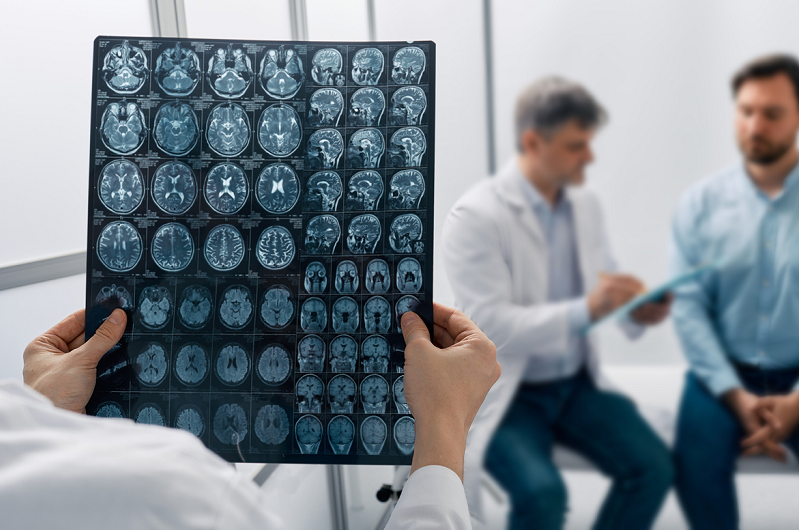
When most people think of a health condition that comes without warning, they probably think of high blood pressure (hypertension), type 2 diabetes, or high cholesterol. But did you know that the most common type of benign (noncancerous) brain tumor—meningioma—is also a silent intruder?
Making up about 40% of all primary brain tumors in the United States, meningiomas usually don’t show any signs, especially when they're just starting. People with meningiomas might not feel anything wrong, and the tumor is often found incidentally, when doctors do tests for other health reasons.
Because there aren't always clear signs, it can be hard to find meningiomas until they get bigger or press on nearby parts of the brain, causing problems.
Decoding the Warning Signs: Is it a Meningioma?
While not everyone with a meningioma experiences symptoms, some people do. Understanding the symptoms of meningioma is crucial, considering they can affect various parts of the brain.
"Symptoms depend on the location of the tumor,” neurosurgeon Neil Majmundar, M.D., explains. "If you feel something abnormal going on, such as worsening vision or loss of smell, talk to your primary care provider."
These tumors can grow slowly, so it may take a long time before symptoms appear. When meningioma symptoms do occur, they may include:
- Headaches
- Hearing loss
- Loss of smell
- Numbness
- Seizures
- Visual disturbances
- Weakness
Remember that the symptoms of meningiomas are diverse, depending on the tumor's location and its impact on surrounding structures. Some symptoms might not be obvious and are easy to miss. It's important to pay attention and alert your health care provider to even the smallest changes.
Who is More Likely to Have a Meningioma?
Are you at risk for having a meningioma? Keep in mind that meningiomas aren't something that gets passed down directly in families. Some people do, however, have a higher chance of getting them.
For example, women are a bit more likely to have a meningioma, especially during their childbearing years. Other risk factors include:
- Genetic changes: If there are specific alterations or changes in a person's genes, it might raise the risk of developing a meningioma.
- Neurofibromatosis type 2 (NF2): People with a condition called neurofibromatosis type 2 have an increased risk of developing meningiomas. NF2 is a genetic disorder that causes the growth of tumors on the nerves.
- Multiple endocrine neoplasia (MEN): Some studies suggest an increased risk of meningiomas in individuals with certain genetic conditions, such as multiple endocrine neoplasia.
While some of these genetic risk factors can elevate the risk, it's important to note that meningiomas are rare in the general population.
Diagnosing Meningiomas
A meningioma diagnosis involves a combination of patient history, physical examination, and imaging studies. Dr. Majmundar explains the process, saying, "A CT or MRI scan is typically ordered, depending on the symptoms."
Seeking medical attention when experiencing symptoms is crucial. Imaging, which is ordered by primary care physicians or specialists based on the specific symptoms, plays a pivotal role in confirming a meningioma diagnosis.
Once diagnosed, the next step is determining the appropriate course of action. Observation, surgery, or radiation are the primary treatments. Observation is often recommended for smaller, asymptomatic tumors, while surgery provides immediate relief of symptoms by removing the tumor. Radiosurgery becomes an option when surgery is risky or not feasible.
“The choice of treatment depends on factors like tumor size, location, and grade, to achieve a complete resection and minimize the risk of recurrence,” says Dr. Majmundar.
The Road Ahead: Prognosis and Guidance
Understanding the prognosis of meningiomas is crucial for patients and their families. Dr. Majmundar notes, "Prognosis is very good for favorable locations that allow for complete surgical resection." Deeper-seated tumors pose challenges, increasing the risk of recurrence. The key lies in early detection, appropriate treatment, and vigilant monitoring.
While meningiomas are the most common type of brain tumor, they’re still rare. If you suspect meningioma symptoms in yourself or a loved one, the advice is clear: Anytime you have new symptoms affecting your central nervous system, get to a doctor as soon as possible. Whether it's persistent headaches, vision loss, or sudden weakness, prompt medical attention is essential.
"Symptoms can overlap with other conditions, making it crucial to consult a health care professional for accurate diagnosis and timely intervention,” Dr. Majmundar adds.
Meningiomas may be silent intruders, but with knowledge and awareness, you can take charge of your health and ensure a brighter, healthier future.
Next Steps & Resources
- Meet our source: Neil Majmundar, M.D.
- To make an appointment with Dr. Majmundar or another physician near you, call 800-822-8905 or visit our website.
- Learn more about our neuroscience services.
Find a doctor near me

Doctors Explain Fluorescent Guided Brain Surgery
Fluorescent Guided Brain Surgery: Drs. Maggio & Kazmi explain this advanced technique for brain tumor removal at Jersey Shore University Medical Center. Learn more & schedule an appointment.

Types of Headaches Explained by a Neurologist
Understand headache types. Neurologist Dr. Gerhardstein explains migraines, tension, and cluster headaches. JFK University Medical Center offers care. Call 800-822-8905.

Brain-Boosting Diet: 11 Foods to Improve Memory
Boost your memory with 11 brain-healthy foods! Registered Dietitian Susan Kraus shares tips for a better diet. Learn more and schedule an appointment.
Benign vs. Malignant Brain Tumors
The terms benign and malignant are used broadly when identifying tumors. But there's nothing simple about either when they occur in the brain, the most complex organ in the human body. Learn more.