

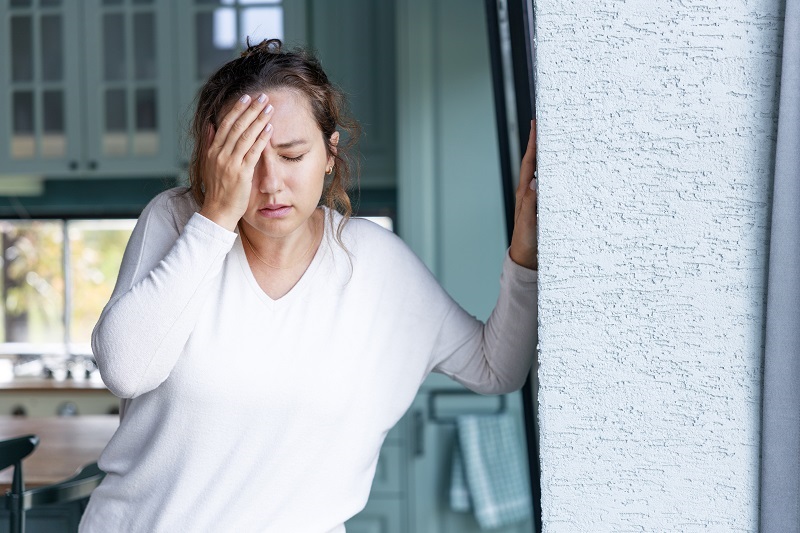
Strokes often come on suddenly and are serious medical conditions. Do you know what signs to look for? Take our quiz to find out.
- Which of the following is NOT a sign of stroke?
- Moderate to severe numbness or weakness on one side
- Sudden speech impairment
- Smelling of burnt toast
- Sudden vision impairment
- What does B.E.F.A.S.T. stand for?
- Brain, energy, forward, away, slow, tired
- Balance, eyesight, face, arms, speech, time
- Balance, energy, face, arms, slow, tired
- Brain, eyesight, feeling, arms, speech, time
- Which of the following should you do to minimize stroke risk?
- Quit smoking
- Manage diet and weight
- Increase cardiovascular activity
- All the above
- True or false: If you suspect someone is having a stroke, call 911 immediately.
- True: Get medical attention as quickly as possible.
- False: If it doesn't resolve in a few hours then seek medical attention.
- 20–30
- 40–50
- 50–60
- 70–90
Answers:
- C. While strokes may cause unusual sensory issues such as changes to taste and smell, smelling burned toast is not a reliable indicator.
- B. Balance, eyesight, face, arms, speech, time. Balance changes, sudden difficulty seeing, numbness or weakness in the face and arms, and slurred speech are all common signs of stroke. Time means it’s time to call 911, and there’s no time to waste.
- D. All the above. Additionally, it is important to manage any chronic conditions with proper medication.
- A. True, call 911 immediately. Though stroke symptoms may resolve on their own, known as TIA, medical attention should always be sought out as quickly as possible as soon as any stroke-like symptoms occur. Available medical treatment to minimize the damage being done by a stroke must be given within hours of symptom onset, so getting medical attention as quickly as possible is the top priority.
- D. 70–90. But while strokes may occur more frequently in this age group, younger people can still experience strokes. Immediate medical attention is crucial regardless of age.
Next Steps & Resources:
- Meet our source: Laura Risley, M.D.
- Make an appointment online with a neurologist near you, or call 800-822-8905.
- Learn more about stroke care at Hackensack Meridian Health
Find a doctor near me
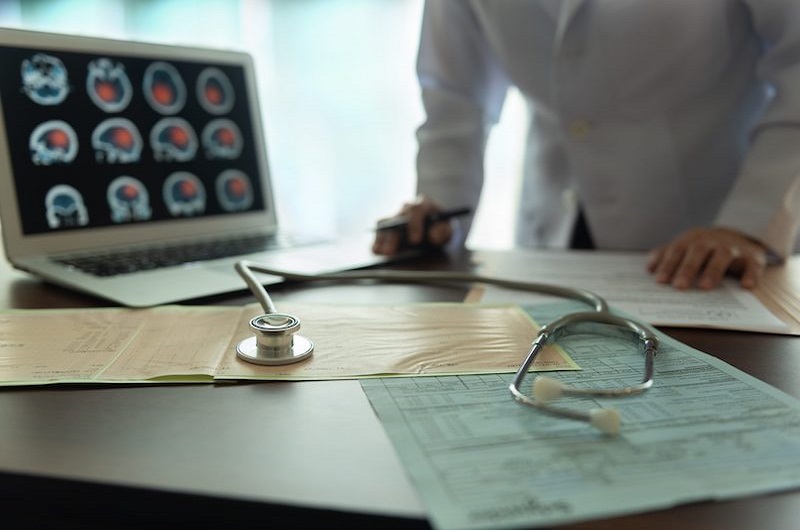
Are Stroke Symptoms Different for Young People?
Learn about stroke symptoms in young adults from Dr. Miller. Understand risk factors & prevention strategies for a healthier life. Schedule an appointment today.
How to Help Prevent Stroke
Prevent stroke: Reduce your risk with expert tips from Dr. Uhrik. Learn how lifestyle changes can improve heart health. Call 800-822-8905.
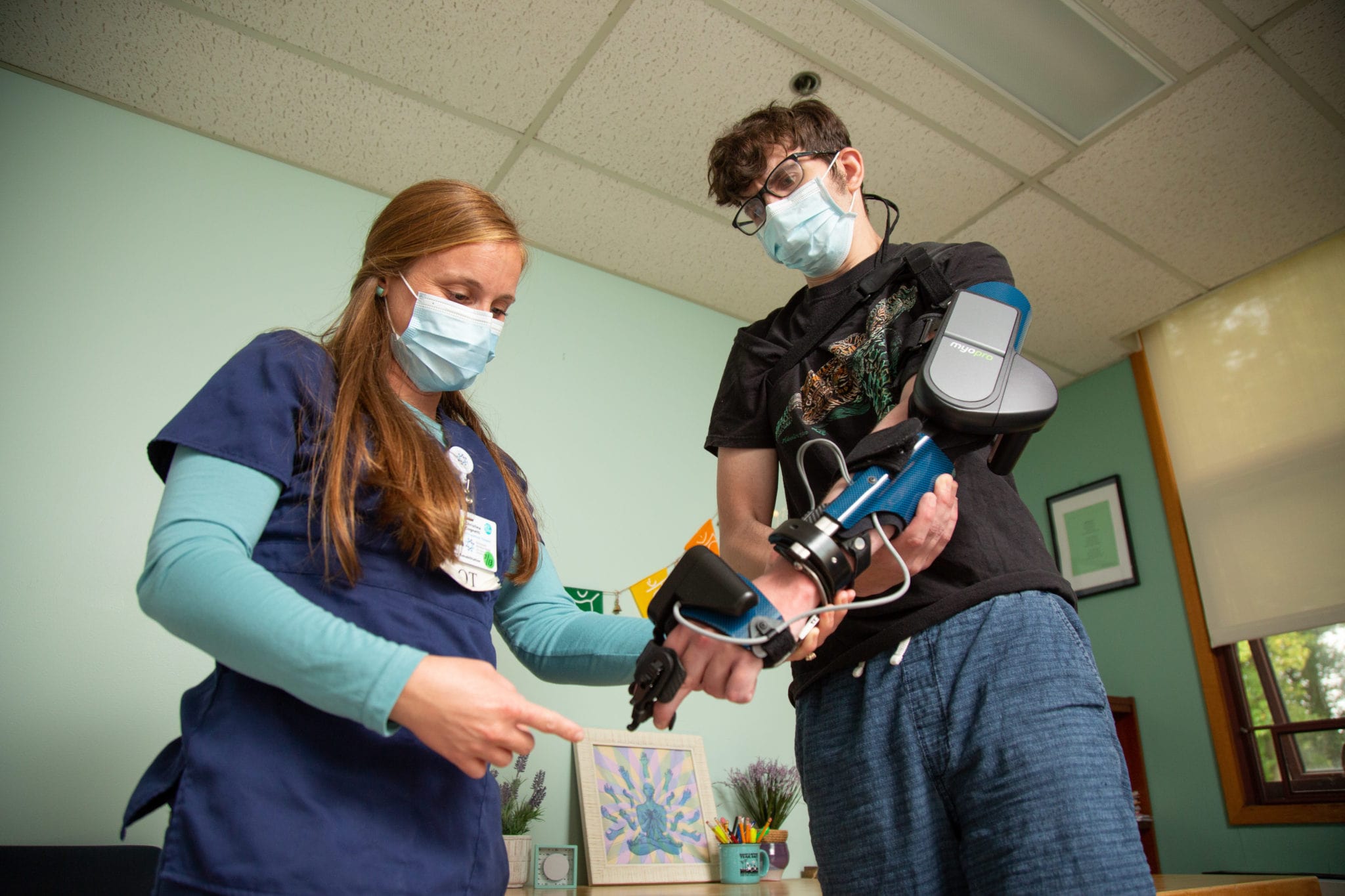
25-year-old Man on the Road to Recovery After a Debilitative Brain Injury
Brain injury recovery story: 25-year-old Michael's journey to regaining independence after a debilitating injury at Jersey Shore University Medical Center and JFK Johnson Rehabilitation Institute. Learn more.
Women and Stroke: Risk, Prevention and Treatment
Learn about stroke risk, prevention, and treatment for women. Dr. Kirmani explains key differences and offers advice. Call 800-822-8905 for care.