


After you blow your nose, your tissue’s contents may give clues about your health. If you’re healthy, the mucus is clear; when you’re sick, it may not be.
“It’s a piece of information that we can use, in addition to symptoms, to help us get a better picture of what’s going on,” says Alex Fu, D.O., a family medicine physician in Fort Lee, New Jersey.
What Mucus Is, and Why You Have It
The mucus that comes out of your nose is commonly called snot. If you cough it up, that mucus is known as phlegm.
Everyone produces mucus, which lines inner body surfaces, like your mouth and nasal passages. Not only is the presence of mucus normal, it helps to keep you healthy.
“It’s part of our immune system, one of our first lines of defense,” Dr. Fu says. “The sticky, jelly-type substance helps trap outside debris, like viruses, bacteria, pollutants.”
When you get sick, your body produces more mucus to protect itself.
The excess mucus helps you rid your body of unwanted germs.
“That’s why, if you get a cold, you get a runny nose,” Dr. Fu says.
You may also produce more mucus when your airways become irritated. Allergens, cigarettes, forest fire smoke or other air pollution may have this effect.
What Different Mucus Colors May Mean
Mucus comes in a variety of colors, each suggesting possible conditions.
These are common mucus colors and what they may mean:
- Clear. Increased production of clear mucus may be caused by allergies or a reaction to irritants. It may also foreshadow an upcoming infection.
“A lot of clear mucus could be the very, very early sign of a virus,” Dr. Fu says. “After a couple of days, it can get cloudier or white before turning yellow or green.”
- Yellow or green. These colors may mean you may have a virus, including a cold.
“The yellow color usually comes from the dead white blood cells in your mucus fighting this infection,” Dr. Fu says.
Yellow or green may also suggest bacterial infections or inflammation of the sinuses.
- Pink or red. Mucus with a reddish or pinkish tinge typically has blood in it. But the cause may be something simple – a rough tissue or dry winter air.
- Brown. Dried blood or traces of dust or smoke may turn mucus brown. It may also be a sign of bronchitis or cystic fibrosis.
- Black. Inhaling cigarette smoke or air pollution may cause mucus to turn black. It may also be a sign of fungal infection.
What To Do If You Have Extra Mucus
- Drink plenty of liquids. When you’re sick, staying hydrated is even more important than usual. If you don’t, it affects the quality of your mucus.
“Dehydration thickens the mucus, which makes it more difficult for the body to clear it out,” Dr. Fu says. “That’s often why people might feel congested when they’re sick.”
- Use a humidifier. Adding more moisture to the air during winter may help lubricate your nasal passages. It may prevent irritation and bleeding within your nose.
“A lot of people freak out because they think it’s something really bad,” Dr. Fu says. “The truth is, there’s more pink and red mucus during the cold, dry months.”
- Visit the doctor. Often, mucus becomes clear again as you feel healthier. If your illness doesn’t improve, see your doctor.
“Go if the symptoms are happening for a week or two, and it’s not getting better,” Dr. Fu says. “Also, go if you’re having respiratory issues, fevers, weakness or general fatigue.”
Next Steps & Resources
- Meet our source: Alex Fu, D.O.
- Make an appointment online with Dr. Fu or a doctor near you, or call 800-822-8905 .
Find a doctor near me

Are You Experiencing Allergies or a Cold?
Allergic or cold symptoms? Learn how to tell the difference from Drs. Cai, Lee, & Mezic. Find relief; call 800-822-8905.

Cold Virus: How Long Are You Contagious?
Cold Virus: Contagious Period & Prevention. Learn how long colds last and how to avoid spreading them, from Dr. Sung. Get advice for managing cold symptoms and protecting others.
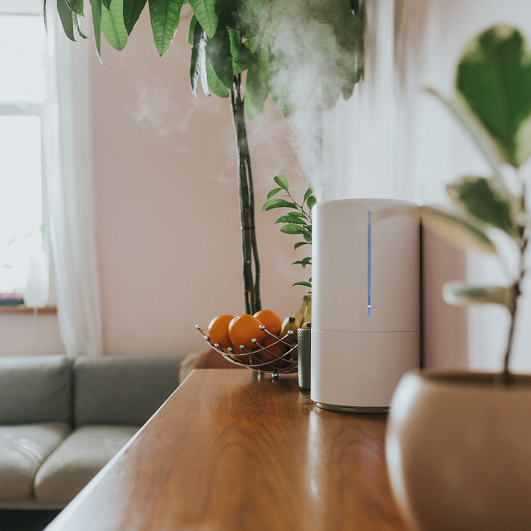
What a Pulmonologist Wants You to Know About Humidifiers
Like many ailments, the common cold, COVID-19 and RSV just need to run their course, but humidifiers can help make recovery a bit smoother.

Can’t stop coughing? Six common causes and when to see a doctor
Learn about common causes of coughs, from colds to GERD, RSV and croup, and discover when it’s time to contact your doctor.