


You wake up feeling a bit off. Maybe you're feverish, sweaty and dizzy. You think it's just a bug, but as the day goes on, you gradually feel worse. Later, you go to the emergency room because you're struggling to breathe, your heart is racing, and you're scared. What you initially brushed off as just a cold or bug could be something much more serious, sepsis.
Every year, around 1.7 million Americans are diagnosed with sepsis and nearly 270,000 people die from the dangerous condition. Sepsis occurs when your body has a severe, life-threatening response to an infection.
Think of it like this: your body is a fortress, and it's always on guard, ready to defend against invaders like bacteria or viruses. Sometimes, those germs breach your body's defenses and enter your bloodstream, triggering an immune system response. That response sometimes spirals out of control, leading to sepsis – a condition where your body's defense mechanisms become more harmful than the invader itself.
Sepsis can begin with something as simple as a small cut that becomes infected or, a more serious condition, like pneumonia. The issue is that at some point, the infection causes your immune system to overreact.
During sepsis, the body's immune response to an infection triggers widespread inflammation. This inflammation can lead to issues with oxygenation and blood reaching your vital organs
Without enough oxygen and nutrients, your organs begin to shut down. That's why sepsis is such a dangerous condition that requires a fast diagnosis and treatment.
The Urgency of a Sepsis Diagnosis
Ideally, you can identify and treat an infection before it turns into sepsis. Your body often gives warning signs that something's not right. Watch for early symptoms of an infection, such as:
- Cough
- Fever or chills
- Feeling achy all over
- Feeling more tired than usual
- Having trouble concentrating
- Sore throat
If your immune system goes into overdrive and sepsis sets in, you might experience more worrisome symptoms, such as:
- Confusion
- Feeling lightheaded or dizzy
- Very high or low body temperature
- Racing heart
- Shortness of breath or difficulty breathing
“Often we can diagnose a person with sepsis just by looking at them,” says emergency medicine physician William Fleischman, M.D. “When a patient arrives in the emergency department with a fever and they look very ill, we presumptively diagnose them within seconds and start treatment.”
Because sepsis is a medical emergency where every minute counts, early diagnosis and treatment are crucial. Left untreated, it can wreak havoc on your body, leading to organ failure, septic shock and death within hours.
“Sepsis can progress very quickly,” adds Dr. Fleischman. “The longer the wait to implement treatment, the sicker people may become.”
To make a formal diagnosis, health professionals check vital signs like heart rate, blood pressure, and temperature. Then they move quickly to order diagnostic tests, including:
- Complete Blood Count (CBC): This test measures your white blood cell count and provides insights into your body's immune response to infection.
- Blood Lactate Level: Elevated lactate levels in your blood may indicate insufficient oxygen delivery to your tissues and organs, a sign of sepsis.
- Imaging Tests: X-rays or CT scans help identify the source of infection and guide treatment decisions.
Research shows that early treatment, such as antibiotics, increases your chance of recovering from sepsis. After starting treatment, doctors do their best to monitor and treat any complications that arise, such as:
- Blood clots
- Septic shock (low blood pressure that affects organs)
- Tissue death (gangrene)
- Long-term weakness or cognitive issues
Sepsis in Children
Like adults, children can also get sepsis from infections or severe illnesses. Sondra Nemetski, M.D., a pediatric emergency medicine physician at Hackensack University Medical Center, says that newborns and children who are immunocompromised are most at risk, but even healthy children can get sepsis.
While symptoms of sepsis in children are similar to those in adults, Dr. Nemetski warns they could be easily mistaken for something else. “Kids are very resilient and have strong reserves, so they often don't look super sick right away. Early signs of sepsis in children are subtle and can include poor feeding, lethargy, or just not acting right,” she says.
Since sepsis can progress quickly and has a high morbidity rate, Dr. Nemetski suggests that if parents suspect sepsis, they should have their child seen by a physician right away.
“It's actually going to be very hard for parents to determine that their child is septic. And most of the time, the child won't be. The vast majority of pediatric infections do NOT progress to sepsis. But for the rare cases that do, the earlier you get treated, the more likely you are to have a good outcome,” she says.
Protect Yourself and Your Family From Sepsis
Recovering from sepsis could take days or months, depending on the severity. The best course of action is to catch sepsis early or prevent it from occurring in the first place.
If you’re relatively healthy and only have a fever and body aches, checking in with your primary care provider or a nearby urgent care center is OK. But if you have a chronic condition or a weakened immune system, you may need to go to the Emergency Room for milder symptoms. Newborns under two months old with a fever above 100.4 should also be taken to the Emergency Room.
“If someone experiences a mental status change - they’re not acting appropriately, feel too weak to get out of bed, are not breathing normally, or can’t keep food or liquids down, it’s an emergency,” says Dr. Fleischman.
- Meet our sources: William Fleischman, M.D. and Sondra Nemetski, M.D.
- Make an appointment online with a doctor near you, or call 800-822-8905.
Find a doctor near me

How to Spot and Treat an Upper Respiratory Infection: Symptoms and Advice
Learn how to distinguish an upper respiratory infection from allergies and other ailments with these seven common signs. Discover treatment options, including over-the-counter remedies, rest, and increased fluid intake.
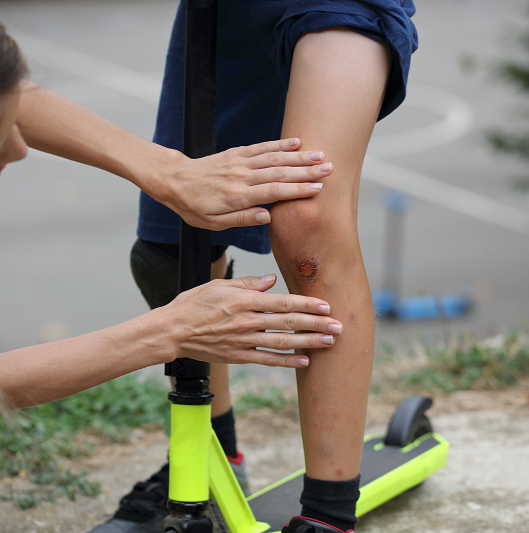
Spotting Infection: How to Tell if a Cut is Infected
It’s important to know the difference between a cut that just needs time to heal and one that has developed an infection. Here are the signs of infection:

Do You Have a Cold, COVID-19, Flu, Pneumonia, RSV or Something Else? Take the Quiz
Not sure if it’s a cold, flu, COVID-19, pneumonia or something else? Take our quick winter illness quiz to compare symptoms and learn when to get tested or seek care.
3-Year-Old Feels Like a “Superhero” After Urinary Tract Reconstruction
After being born with a urinary tract condition, Audrina Sorbera is now thriving thanks to steadfast and compassionate care at K. Hovnanian Children’s Hospital.