


Your pelvic floor – a group of muscles and ligaments – holds your pelvic organs in place. You won’t notice your pelvic floor unless the muscles weaken, causing unwanted symptoms.
Women are significantly more likely to experience pelvic floor disorders than men. The muscles support a woman’s bladder, uterus, vagina and rectum.
“Women have an opening in the pelvic floor – the vagina – which makes women more susceptible to pelvic floor disorders,” says Laurie Kane, M.D., a urogynecologist in Manahawkin, New Jersey.
Unsupportive pelvic floor muscles may cause bladder pressure or allow organs to drop. Many women are embarrassed by their symptoms and don’t seek help.
“You’re not alone – a lot of people have this problem,” Dr. Kane says. “And there’s help available.”
Talk to a doctor if you notice any of these signs:
You Feel a Bulge in Your Vagina
Very weak pelvic floor muscles allow organs to drop low enough to be noticeable. When this happens, it’s known as pelvic organ prolapse.
You may feel that something is different, not quite right, in your pelvic region.
“Typical symptoms are vaginal bulge, feeling like a mass is coming out of the vagina,” Dr. Kane says. “Some patients describe it as they feel like their insides are coming out, or a pressure sensation.”
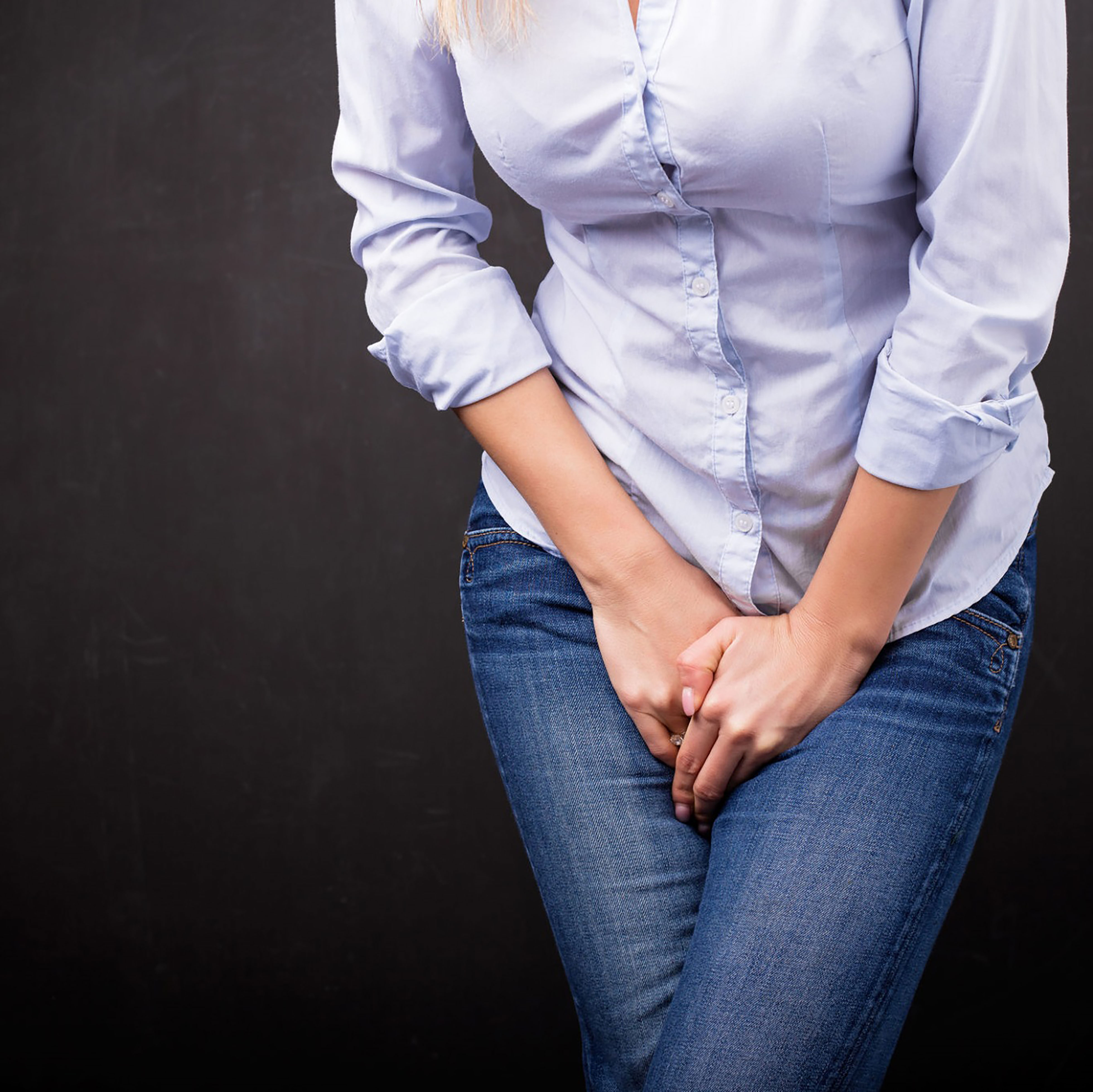
You’re Leaking Urine
If the pelvic floor muscles are weak, you may experience stress incontinence.
“Stress incontinence is leaking of urine with coughing and sneezing,” Dr. Kane says.
If your bladder drops significantly, you may have trouble emptying your bladder. A prolapsed bladder may cause the urethra (the tube you pee from) to kink.
“If you bend a garden hose in half, water doesn’t come out,” Dr. Kane says. “Bladder prolapse can have the same effect, and you may not empty your bladder very well.”
When the bladder doesn’t empty fully, it may lead to incontinence.
“Your bladder can get so full, it just leaks, because it can’t take anymore,” Dr. Kane says.
You Get Bladder or Kidney Infections
If you can’t empty your bladder fully, bacteria may accumulate in the bladder. When bacteria gathers in the bladder, it may lead to infection.
Women with pelvic floor disorders may get frequent urinary tract infections. Sometimes, kidney infections may develop if urinary tract infections aren’t addressed.
“We recommend treatment if the bladder is not emptying well,” Dr. Kane says.
You’re a Mom Who Reaches Menopause
Women are at greater risk of a weakened pelvic floor after pregnancy. Problems may arise shortly after childbirth or years later.
“Having a vaginal delivery is a significant risk factor, and the first child does the most damage,” Dr. Kane says. “Often I’ll hear patients say, ‘I only had one baby.’ It only takes one.”
You’re more likely to experience pelvic floor disorders as you age.
“It could be worse after menopause,” Dr. Kane says. “We have more weakening of the muscles and ligaments and tissues that are supported by estrogen.”
You Have Chronic Constipation
If you bear down while you’re on the toilet, the pressure may cause problems. Over time, it may contribute to pelvic organ prolapse.
“Chronic constipation, straining for bowel movements, definitely can promote pelvic floor issues and prolapse.,” Dr. Kane says. “Management of constipation is critical for the long-term success of surgical treatment for prolapse.”
What to Do If You Notice Signs of Pelvic Weakness
If you have a weakened pelvic floor, a urogynecologist can help.
“It’s sad to see patients who have been dealing with the problem for so long, because they were too embarrassed to come forward for treatment,” Dr. Kane says.
Sometimes women don’t seek help because they don’t want to tell their primary-care physician.
“You don’t need a consultation request to be seen in our office,” Dr. Kane says. “Call us to make an appointment.”
Next Steps & Resources:
- Meet our source: Laurie Kane, M.D.
- Make an appointment online with Dr. Kane or a doctor near you, or call 800-822-8905.
Find a doctor near me

Signs of Bladder Issues
Bladder problems can disrupt our day-to-day life, and as we get older, they’re more likely to occur.

Should Women See a Urologist?
Women's urinary problems? JFK Medical Center urologist Dr. Lasser offers expert care for UTIs, incontinence, and more. Learn more and schedule an appointment today.
6 Ways to Treat Bladder Leakage
Treat bladder leakage. Explore 6 treatment options, including lifestyle changes, exercises, medication, and procedures. Find relief today.

Suffering from Bladder or Pelvic Floor Issues? Here’s How a Urogynecologist Can Help
If you are experiencing bladder or pelvic floor issues, it may be time for you to see a urogynecologist. Here’s what you can expect: