


As you head into nature this season, you may become a tasty target for some insects. How can you tell what type of bug bit you? And when should you become concerned?
“Unfortunately, it’s difficult to tell the difference between insect bites,” says Stefan Hagmann, M.D. MSc, section chief, division of pediatric infectious disease at Hackensack University Medical Center. Physical reactions to bites are extremely individualized. Generally, it’s impossible to tell what bit you solely from the bite without seeing the bug do it.
How to Treat Bug Bites
Bug bites will typically heal on their own, untreated. “For comfort, try using an antihistamine spray or cream to prevent itching,” Dr. Hagmann says. Itching is aggravating, and excessive itching can lead to skin tearing, opening the area to possible infection.
When to See a Doctor for a Bug Bite
Although annoying, most bug bites don’t warrant medical attention. “But if you experience a strong, hyper-sensitive reaction, such as extreme swelling, you should see your doctor,” says Dr. Hagmann. You should also seek medical attention if you see any signs of infection. This could include:
- Spreading redness
- Pain
- Pus
- Discoloration around the bite
If you’ve been traveling internationally, particularly to tropical regions, and have flu-like symptoms, you may be experiencing a mosquito-borne illness such as malaria or dengue. You should consult your doctor and inform them of your recent travels.
Preventing Insect Bites
The best treatment method is prevention. Dr. Hagmann advises, “Cover your skin as much as possible and use a repellent, such as one containing DEET, on exposed areas.”
Seeking Help for a Tick Bite
The one exception to the waiting game is ticks. A tick bite will look like any other bite. But if you see the tick attached, care should be taken to remove the tick and estimate how long the tick may have been attached. “As it takes about 36 hours for a tick to transfer the bacteria that causes Lyme disease, you may be able to get preventative antibiotic treatment for Lyme disease from your doctor,” says Dr. Hagmann.
Ticks aside, most bug bites typically are just a nuisance. “Nevertheless, be vigilant,” says Dr. Hagmann. “Don’t itch, and make note of any symptoms you develop.”
Next Steps & Resources:
- Meet our source: Stefan Hagmann, M.D., MSc
- To make an appointment with an infectious disease specialist near you, call 800-822-8905 or visit our website.
- Learn more about infectious diseases at Hackensack Meridian Health.
Find a doctor near me

4 Fail-proof Ways to Keep Kids Safe at the Pool
Keep kids safe at the pool. Dr. Mendoza shares 4 vital safety tips for parents. Learn how to protect your children at JFK University Medical Center. Call 800-822-8905.
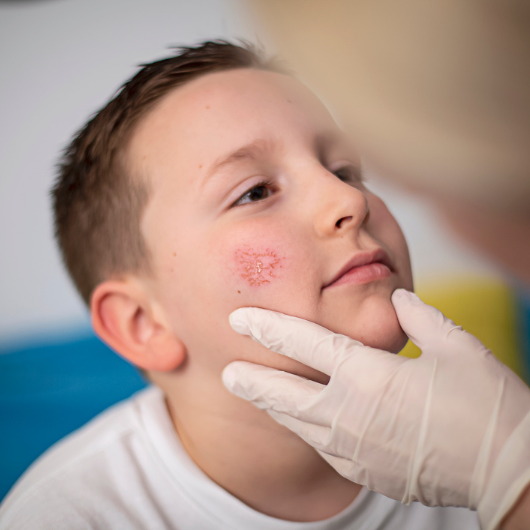
How to Identify a Measles Rash
Identify a measles rash? Dr. Hagmann explains symptoms, prevention, and risks. Learn how to protect your children. Get vaccinated.

How to ID Common Kid Bugs
Identify common childhood illnesses (RSV, cold, COVID-19, flu). Learn how to differentiate symptoms & protect your child. Call 800-822-8905.

When to Seek Care for a Fever
High fever? Learn when to seek care. Dr. Shim explains fever symptoms needing medical attention for adults and children. Get help now.