


We all know that we should eat our fruits and veggies to promote overall well-being, but can the foods we eat really impact our hearts? And how can we use our diet to promote a healthy heart? Our expert, Brett Sealove, M.D., FACC, FAHA, RPVI, CPE, chief cardiologist at Jersey Shore University Medical Center, explains everything you need to know.
“Nutrition is the foundation of good health,” says Dr. Sealove. It shapes how well you think and feel and ultimately impacts how long you live. Choosing foods that preserve heart health is essential because, as Dr. Sealove explains, “The heart is the pump and engine of the body.” But unlike your car engine, which you can overhaul or replace, you only have one heart for life.
How Foods Affect Our Hearts
You don’t need a degree in food science to know that foods have a variety of effects on the body—from feelings of fullness brought on by high-fiber foods to the pick-me-up provided by caffeine-rich foods. But some negative impacts of the foods we eat may not be felt right away or at all, though they can pose serious risks.
When our diets cause us to carry excess weight, it strains our hearts. Additionally, foods high in saturated fats can contribute to the buildup of plaque in our arteries, which puts us at risk of heart attack and stroke.
Eat This (and Not That) for Heart Health
One of the best ways to feed your heart health is to replace saturated and trans fats with unsaturated fats. “Data shows a 30 percent reduction in heart risk with reducing these fats,” says Dr. Sealove. To reduce saturated and trans fats, try limiting:
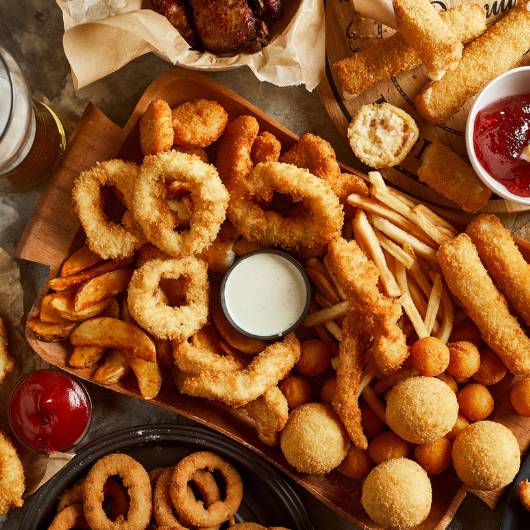
- Fried foods
- Red meat
- Processed meats and foods
And aim to eat unsaturated fats—found in foods like:
- Avocados
- Nuts
- Olive oil
Tips to Build Heart-Healthy Diet Habits
Changing your daily eating habits is not easy, but small steps can lead to changes you can stick to, Dr. Sealove reminds us. “Nothing is going to happen immediately. This is a long-term investment, and there will be ups and downs.”
Try making one small change at a time, such as:
- Replacing one red-meat meal per week with a fish or plant-based meal
- Replacing sugary cereals with oatmeal or berries and low-sugar yogurt
- Reducing soda intake or switching to seltzer water or water with lemon
- Weaning yourself off added sugar; instead of two packets of sugar in your coffee, try using one.
- Swapping out white rice or pasta with brown rice or quinoa
These are all tiny steps, but once you get the hang of one, you can add others. In addition to what you eat, Dr. Sealove recommends a couple of other healthy habits to protect your heart:
- Portion sizes: Overeating is a primary contributor to weight gain. Reducing how much you eat each meal can help you shed extra weight. Dr. Sealove suggests using a smaller plate to give you a visual reminder.
- Hydration: Upping your water intake can help limit snacking, but Dr. Sealove says, “Hydration is pivotal and imperative to overall health.” It’s often overlooked but can have a significant impact.
Unfortunately, no diet regimen works for everyone and will keep us all in good health. It’s important to remember that these changes take time, but Dr. Sealove advises, “If you’re really unsure of where to start, talk to a registered dietitian. They can help you get on the right track.”
Next Steps & Resources:
- Meet our source: Brett A. Sealove, M.D.
- To make an appointment with a cardiologist near you, call 800-822-8905 or visit our website.
- Learn more about heart health at Hackensack Meridian Health.
Find a doctor near me
Worst Foods to Eat for Your Health
Limit unhealthy foods for better health. Dr. Sayanlar shares tips on reducing added sugar, salt, refined carbs, and processed meats. Learn more & schedule an appointment.

4 Early Signs of Heart Failure You Can’t Ignore
Recognize early heart failure signs: shortness of breath, swelling, fatigue. Dr. Berkowitz explains symptoms & diagnosis. Learn more today.

How Weight Impacts Heart Health
Learn how weight affects heart health. Dr. Safi explains risks & offers advice on diet and exercise to improve cardiovascular health. Protect your heart today.

How Much Water You Should Drink, According to a Doctor
Staying hydrated is vital to your health and wellness. Here’s how much water to consume and tips for avoiding dehydration.