


Muscle strains can derail a fun run, pickleball match or playtime with grandkids. If you’ve strained a muscle, you likely want to stop the pain as soon as possible, but what’s the best way to find relief—heat or cold therapy? In this article, Hackensack University Medical Center orthopedic surgeon specializing in sports medicine, Kevin Kai Chen, M.D., explains how to treat muscle strains and when to seek medical help.
What Does a Muscle Strain Feel Like?
A muscle strain is a tear in the muscle, which can be painful. People often confuse strains with sprains. A strain is a tear or injury in a muscle, while a sprain refers to a tear in a ligament. People of all ages can experience muscle strains, but they’re common among people 50 and older.
“As we age, muscle mass naturally decreases as we become more sedentary,” says Dr. Chen. “This leads to reduced strength and flexibility, which makes us more prone to strains.”
“Everyday activities have the potential to cause muscle strains,” adds Dr. Chen. "For those who aren’t typically active, a sudden increase in physical activity—such as lifting a grandchild, moving furniture, shoveling snow or doing yard work—can raise the risk of muscle strain if muscles haven’t been conditioned for it. Taking the time to gradually ramp up activity levels helps prevent these injuries."
Symptoms of Muscle Strains
If you experience a muscle strain, you may notice:
- A popping sound, followed by sudden, intense pain
- Pain or swelling in the affected area
- Decreased range of motion
- Muscle tightness, weakness, spasms or soreness
How to Treat Muscle Strains
Many people manage muscle strains with rest, ice, compression and elevation—a combination sometimes referred to as “RICE” for the first letter of each therapy. Other treatments include heat therapy, anti-inflammatory medications and physical therapy.
Heat and cold therapy can support recovery but can be effective at different times.
Cold Therapy for a Muscle Strain
Putting ice on a muscle strain can ease discomfort. This treatment is most effective immediately after an injury.
“Ice has an anti-inflammatory role in the early stage of injury,” Dr. Chen says.
Apply ice for five minutes, then remove it for five minutes. Repeat for 30 minutes, twice daily. Never place ice directly on your skin because it can cause numbness or irritation.
Heat Therapy for a Muscle Strain
A heating pad can soothe and loosen tight muscles and reduce spasms.
“Heat allows blood vessels to expand, which stimulates circulation and supports the body's natural recovery." Dr. Chen says.
When applying heat, only use a heating pad intended for injuries. Remove the heating pad after five or 10 minutes, then repeat five minutes later. Don’t put a heating pad directly on the skin to avoid the risk of burns. Never fall asleep with a heating pad on. It’s a fire hazard, and you may get burned.
Monitor heat and cold therapy closely if you have diabetic neuropathy or nerve damage. You may not realize that you’re injuring yourself.
When Muscle Strains Need Medical Attention
Seek professional medical care if you hear a loud pop or your muscle strain is extremely painful. In some cases, surgery may be necessary to repair the injury. However, many people with muscle strains will recover without surgery. Still, if your strain is painful or restricts movement, you’ll benefit from a doctor visit, where you can get prescription medication or physical therapy if needed.
Next Steps & Resources
- Meet our source: Kevin Kai Chen, M.D.
- Make an appointment online with an orthopedist near you, or call 800-822-8905.
- Learn more about orthopedic services at Hackensack Meridian Health.
Find a doctor near me

3 Ways to Fix Neck and Shoulder Pain
Dr. Delavaux explains three common work-related scenarios that can lead to neck and/or shoulder pain and provides helpful solutions. Learn more.

Signs You Need to Slow Down Your Exercise
Avoid exercise injuries. Dr. Ashmyan shares signs of overtraining & how to prevent them. Learn to listen to your body and prevent orthopedic issues. Call 800-822-8905.
Five Benefits of Strength Training
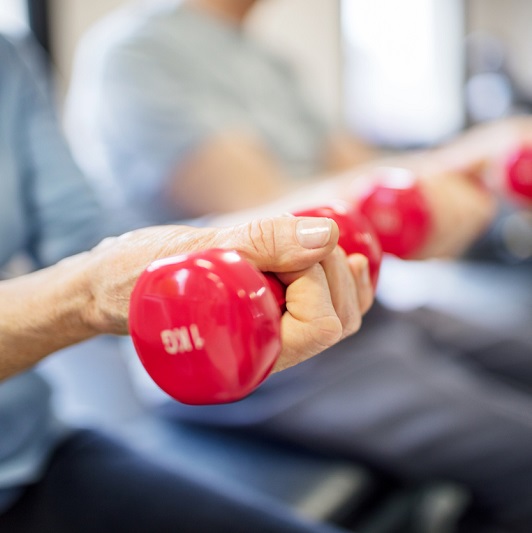
Five Strength Training Benefits. Build muscle, boost metabolism, improve bone health, reduce injury risk, and ease symptoms. Learn more and schedule an appointment today.

How to Protect Yourself From Common Sports Injuries
Sports and physical activities bring plenty of benefits, from improving physical and mental health to relieving stress to helping with weight management. But they could also put you at risk of injury if you’re not careful.