


Are you experiencing persistent digestive problems like diarrhea, abdominal pain or blood in your stool? These could be signs of inflammatory bowel disease (IBD), a group of chronic conditions that affect the digestive system. The most common types are Crohn's disease and ulcerative colitis. Millions of Americans live with IBD.
What is IBD?
IBD happens when your body's defense system mistakenly attacks the healthy tissue in your digestive tract, causing inflammation and sores (ulcers). This can lead to a range of uncomfortable and sometimes debilitating symptoms.
“The key priority is early diagnosis and starting the most effective treatment,” says Alyssa Parian, M.D., medical director of the Inflammatory Bowel Disease Center at Hackensack University Medical Center. “Our goal is to help you reach remission so you can feel your best, live a full and normal life, and prevent problems related to IBD.”
Crohn's Disease vs. Ulcerative Colitis
While both Crohn’s disease and ulcerative colitis are forms of IBD, they affect different parts of the digestive system. Ulcerative colitis affects the large intestine (colon and rectum). Crohn's disease can affect any part of the digestive tract, from the mouth to the anus, which causes a wider range of symptoms – from diarrhea to constipation, abdominal pain or bloating, or nausea and vomiting. The most common symptoms are blood in the stool, diarrhea, and urgency to use the bathroom.
Recognizing the Symptoms
Symptoms of IBD can vary, but common ones include:
- Abdominal pain and cramping
- Diarrhea (which may be bloody or contain mucus)
- Fatigue
- Fever
- Nausea and vomiting
- Unintended weight loss
How is IBD Diagnosed?
If you're experiencing these symptoms, your doctor will likely perform several tests to determine if you have IBD and rule out other conditions. These may include:
- Blood tests
- Colonoscopy
- Imaging tests (like ultrasound, CT scan or MRI)
- Stool tests
- Upper endoscopy
"When you do a colonoscopy or endoscopy, you can see the inflammation which can include ulcers,” explains Dr. Parian. This helps distinguish IBD from conditions like irritable bowel syndrome (IBS), where the digestive tract looks normal during these procedures. As Dr. Parian notes, “Irritable bowel [syndrome] has more to do with the nerves and the muscles of the GI tract, whereas inflammatory bowel disease is an autoimmune condition that causes chronic inflammation within the GI tract.”
Effective Treatments Are Available
The good news is that there are many effective treatments for IBD. These treatments help calm the overactive immune system and reduce inflammation.
While some people with IBD may eventually need surgery, modern medications can significantly reduce the need for surgery and help people achieve long-term remission. "After the first surgery, we try to get them back on treatment to prevent any more inflammation, to prevent it from happening again,” says Dr. Parian.
Managing IBD and Reducing Flare-Ups
Even with treatment, IBD symptoms can sometimes flare up. Adopting healthy lifestyle habits can help manage your condition and minimize flare-ups. Talk to your doctor about making changes to your:
- Diet: Having an IBD-friendly diet is crucial. Focus on "whole foods, whole vegetables, fruits, whole grains, lean meats,” recommends Dr. Parian. Limit sugar, red meat, processed foods, and fast food. Instead of sugary drinks, try herbal teas or infused water. Swap processed snacks for fresh fruits and vegetables.
- Exercise: Aim for at least 30 minutes of moderate exercise most days of the week. “It usually makes people feel better in general, mentally,” Dr. Parian observes. “It also has been shown to help decrease flare-ups and improve inflammation.” Start with a 10-minute walk each day and gradually increase the duration and intensity. Activities like yoga and swimming are also gentle on the joints.
- Sleep: Prioritize getting 7-8 hours of restful sleep each night. “We encourage patients to have as healthy sleep patterns as they can,” advises Dr. Parian. “As your body recovers, your immune system heals.”
Take Control of Your Health
If you think you might have IBD, you don’t have to suffer in silence. Schedule an appointment with your doctor. Early diagnosis and treatment can make a world of difference. You deserve to live a healthy and fulfilling life, free from the burden of uncontrolled IBD symptoms.
“When I first started, we had one biologic therapy,” Dr. Parian says. “Now, we have a whole host of treatments, [so] if they don’t respond to one therapy, there’s other ones that they can try.”
The takeaway? You have options. Talk to your doctor today.
Next Steps & Resources:
- Meet our source: Alyssa Parian, M.D.
- Make an appointment online with Dr. Parian or a doctor near you, or call 800-822-8905.
Find a doctor near me
When To Get A Colon Cancer Screening
While most cases of colon cancer happen in those over 50, cases of colon cancer are rising among those under 50. Read on to know if you are at risk and should be screened.
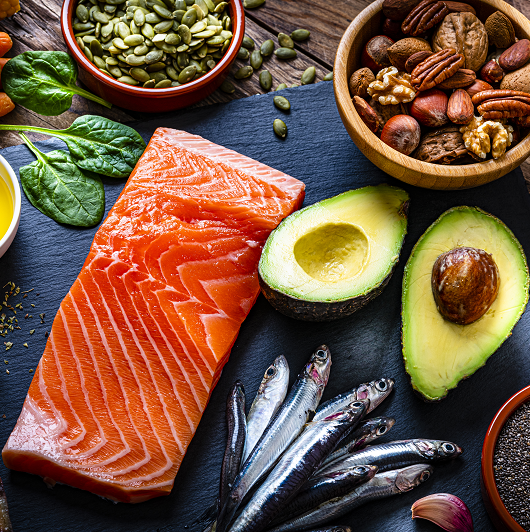
What Diet Is Best for Gut Health?
Best Diet for Gut Health? Dr. Ligresti explains which diets support gut health. Learn more and find a gastroenterologist.

Gut Check: Tips for Stomach Pain Relief, Better Digestion and Signs to See Your Doctor
Our expert speaks on how we would know if our stomach problems are serious, and when it's time to get checked out.

Colonoscopy Prep: What You Need to Know
Colonoscopy prep: Dr. Lake shares essential tips for a smooth procedure at Jersey Shore & Ocean University Medical Centers. Prepare effectively; call 800-822-8905 to schedule.