

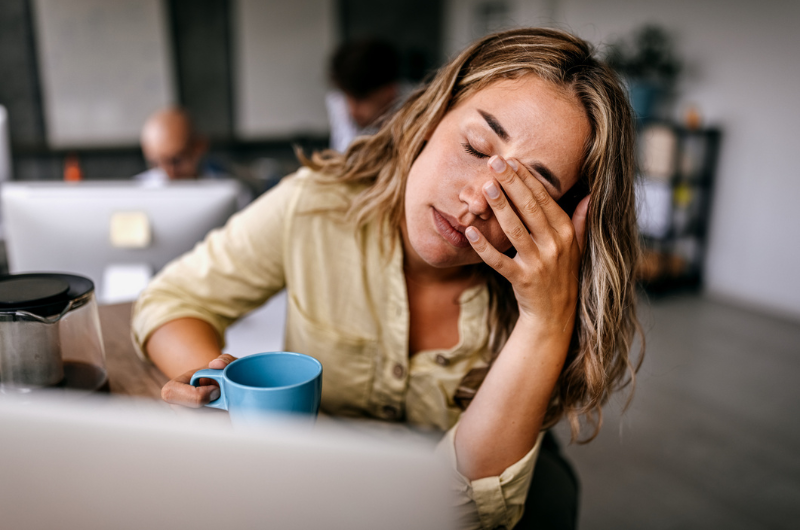
Feeling unusually tired, moody or foggy – even when you’re eating well and getting rest? For many women, these frustrating symptoms are sometimes tied to hormone imbalances. Since hormones act as chemical messengers that control everything from metabolism and sleep to mood and libido, even small disruptions can throw your whole system off.
To help sort through the signs of hormone imbalance, we spoke with Jocelyn A. Carlo, M.D., director of gynecology at Jersey Shore University Medical Center, who specializes in helping women understand and manage their hormonal health.
Common Signs Your Hormones May Be Out of Sync
When hormones aren’t being produced or regulated properly, it can feel like your body’s internal communication system is out of tune.
“The most common signs of a hormonal imbalance include persistent fatigue, unexplained weight gain, mood swings, sleep problems and irregular periods,” says Dr. Carlo. You might also notice:
- Brain fog and poor concentration
- Hair loss or new, unwanted hair growth
- Hot flashes or night sweats
- Low libido or painful sexual activity
- Skin issues such as acne or dry skin
If you’re checking off more than one of these boxes, your hormones may be playing a role.
Lifestyle Habits That Can Make Things Worse
Certain daily habits may be quietly working against your hormone health.
“The most common lifestyle factors that can disrupt your hormones are chronic stress, poor diet, inadequate sleep and either too little or too much exercise,” explains Dr. Carlo. High alcohol or caffeine intake and exposure to chemicals in plastics or personal care products can also affect hormone balance.
Your Period as a Monthly Report Card
For women of reproductive age, your menstrual cycle can be one of the clearest windows into your hormonal health.
“Your cycle is a direct reflection of your hormonal health – think of it as a monthly report card for estrogen and progesterone,” says Dr. Carlo.
Red flags to look for include:
- Very short (under 21 days) or very long (over 35 days) cycles
- Unpredictable or missed periods
- Heavy, prolonged bleeding
- Debilitating cramps or extreme mood swings
For women ages 35–45, these symptoms could signal perimenopause, the transition before menopause. Declining progesterone is often the first change, bringing anxiety, sleep issues and irregular cycles. Fluctuating estrogen can trigger hot flashes, mood swings and brain fog.
It’s important to note that not all abnormal periods are due to hormones – fibroids, polyps, thyroid dysfunction or even cancer can be at play. That’s why talking to your doctor about your symptoms is so important.
When to See a Doctor
Sometimes lifestyle changes such as lowering stress or improving sleep can help, but you shouldn’t ignore symptoms that affect your everyday life and don’t go away.
“Talk to your doctor when symptoms disrupt your daily life, are persistent over several months, or if you experience sudden or severe changes like debilitating pain or very heavy bleeding,” advises Dr. Carlo.
She also recommends tracking your symptoms before your appointment: “This can be very helpful for your doctor in figuring out the underlying cause.”
Key Takeaways About Hormone Imbalance
If you’ve been wondering whether your symptoms might be connected to your hormones, remember this:
- Hormone imbalances can show up in many ways, from fatigue and brain fog to changes in your period.
- Lifestyle factors such as stress, poor diet and lack of sleep can worsen symptoms.
- Your cycle is a valuable signal – pay attention to changes that don’t feel normal.
- If symptoms interfere with your daily life or aren’t improving, it’s time to see your doctor.
Remember, you don’t have to navigate these changes alone. If something feels off, reach out to your health care provider. With the right support, you can get to the root of your symptoms and feel more like yourself again.
Next Steps & Resources
- Meet our experts: Jocelyn Carlo, M.D.
- Make an appointment online with a gynecologist near you, or call 800-822-8905.
- Learn more about our women’s health services.
Find a doctor near me

Surprising Ways Menopause Can Impact Heart Health
Menopause & Heart Health: Learn how menopause impacts your heart from Drs. Sahni & Vandyck-Acquah. Protect your heart health. Schedule an appointment today.

Fibroids After Menopause: What to Do When Symptoms Won’t Let Up
Declining estrogen levels typically shrink uterine fibroids. But our expert explains why those approaching menopause may be hit with new symptoms.