


Bunions are a common foot condition that affect approximately one-third of Americans. In addition to causing a bony bump to develop near the bottom of the big toe, bunions cause discomfort when walking or wearing certain types of shoes. If left untreated, they can continue to grow and cause worsening symptoms.
Some people may choose to delay or avoid traditional corrective bunion surgery due to concerns about the procedure and recovery. But, there is another option – a minimally invasive bunion correction technique.
“This isn’t your old-fashioned bunionectomy,” says Bayshore Medical Center podiatrist Mark DeCotiis, DPM. “Minimally invasive bunionectomy involves a smaller incision and a faster recovery, meaning people can get back to work and everyday activities faster.”
Benefits of a Minimally Invasive Bunionectomy
“In addition to having a faster recovery, patients have less blood loss and reduced post-operative pain – and that means a decreased need for narcotic pain medications,” shares Dr. DeCotiis.
Recovery times vary based on the individual, but Dr. DeCotiis says that most people who undergo a minimally invasive bunionectomy procedure can expect:
- Crutches for about five days before transitioning to a walking boot.
- At 1-2 weeks post-op, most people are able to start physical therapy.
- By week three, most people are back to wearing a regular sneaker.
“Traditional bunionectomy requires a larger incision, which takes much more time to heal,” adds Dr. DeCotiis. “The smaller incision used in minimally invasive bunionectomy procedures means patients can also expect better cosmetic results due to reduced scarring.”
Early Treatment Can Offer Better Outcomes
Minimally invasive bunionectomy isn’t recommended for everyone. It is often an option for younger people who don’t have arthritis in the toe joint and whose bunions have not grown very large.
Because minimally invasive bunionectomy requires less downtime than a traditional procedure, Dr. DeCotiis says he hopes younger people will take advantage of this option and seek treatment for bunions earlier – before they have a chance to cause additional problems.
“I tell my patients that the longer they wait to treat their bunions, the bigger they will grow,” advises Dr. DeCotiis. “When younger patients have bunionectomy procedures, they generally have a better treatment outcome with a lower risk of complications and future recurrence. With this minimally invasive option, we can treat younger patients effectively and get them back to their job, family and activities even sooner.”
Next Steps & Resources:
- Meet our source: Mark DeCotiis, DPM
- To make an appointment with Dr. DeCotiis or a health care provider near you, call 800-822-8905 or visit our website.
- Learn more about foot and ankle treatments at Hackensack Meridian Health
Find a doctor near me
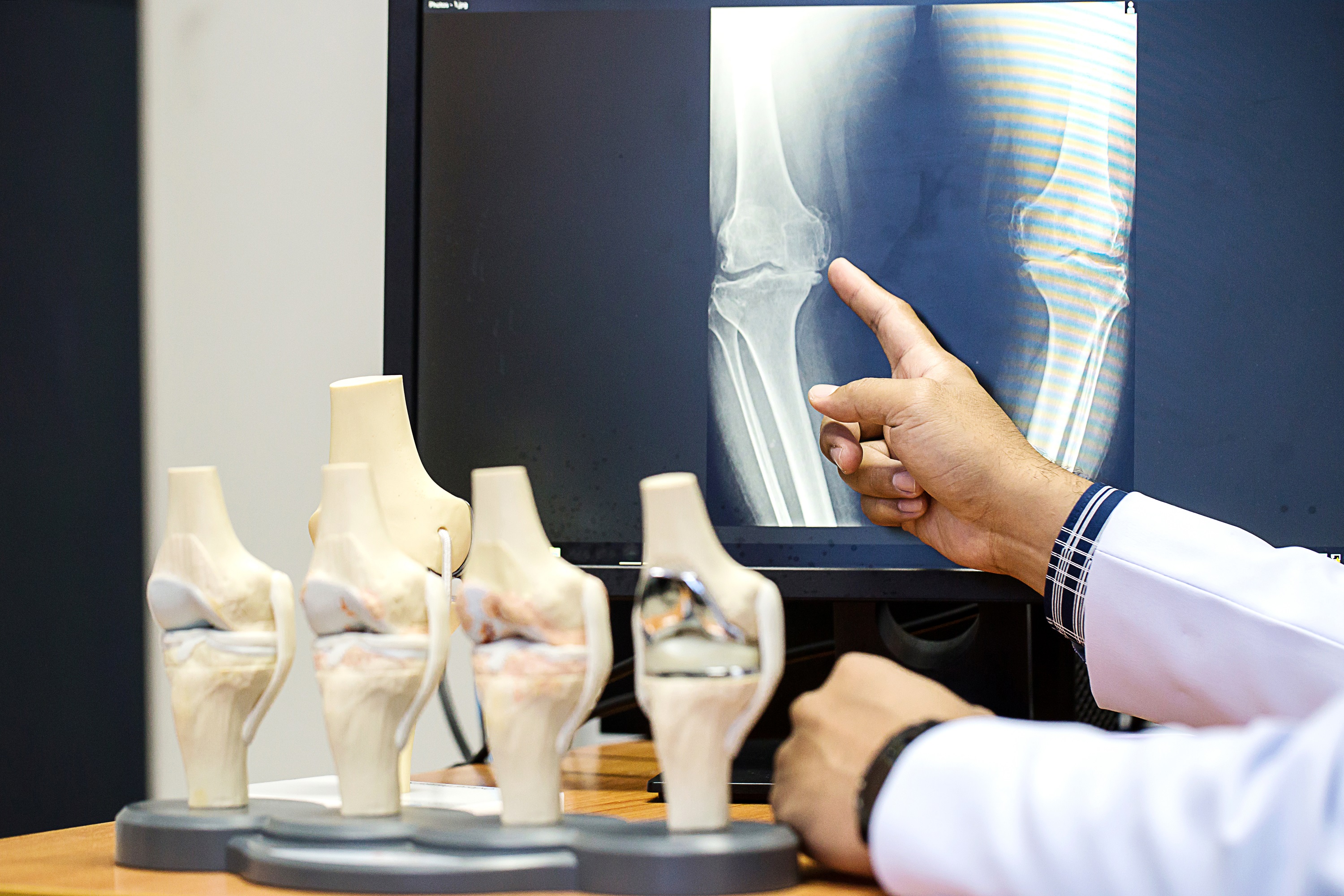
Partial vs. Full Knee Replacements
Partial vs. Full Knee Replacements: Dr. Cahill explains the differences and helps you find the best knee surgery option. Call 800-822-8905 to learn more.

Why Do Your Knees Hurt When You Squat?
Knee pain when squatting? Learn why from Dr. Russoniello and find relief. JFK University Medical Center offers expert care. Call 800-822-8905.

Should I Stop Cracking My Knuckles & Back?
Stop cracking your knuckles & back? Learn why from Drs. Katt & Lopez. Avoid joint pain; get expert advice. Call 800-822-8905.

How to Fall Proof Your Home
Fall-proof your home with Dr. Bonne's expert tips. Prevent falls & improve safety. Learn simple steps to create a safer home environment.