

Spine health is important for your overall health. Learn how to keep your spine healthy from Hackensack Meridian Health experts.
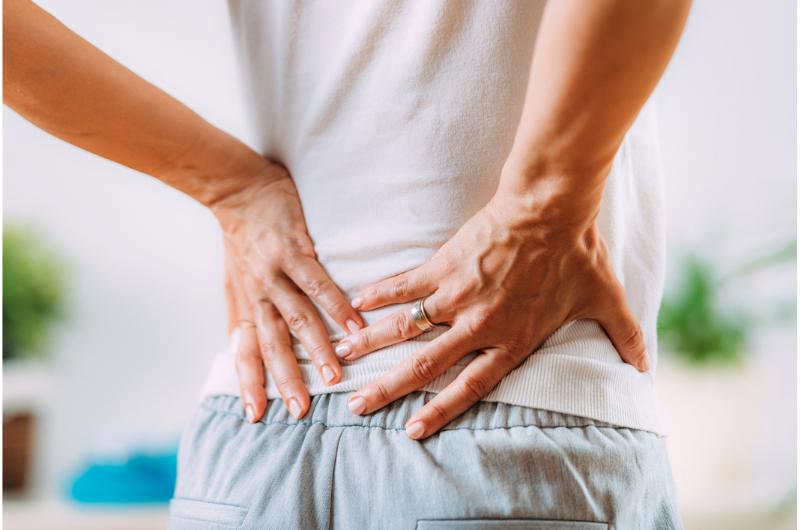
When it comes to keeping your body healthy and strong, the spine is, well, the backbone. It’s at the center of every movement, giving you constant support and stability. But how much attention do you pay to yours? If it’s not on your radar, it should be.
Most people develop spine issues as they age, often by their mid-70s, notes Aria Mousa Jamshidi, M.D., a neurosurgeon specializing in complex reconstructive and minimally invasive spine surgery at Hackensack Meridian Health & Wellness Center at Metropark.
But by maintaining a regular exercise regimen and managing your overall health and weight appropriately, you can help slow the degenerative process and keep your spine healthy.
Here are five lifestyle shifts that can improve your health generally and help keep your spine strong and supported as long as possible.
1. Maintain a Healthy Weight
Being overweight puts more strain on all your bones and joints, especially your spine. Research shows that people who are overweight may be more likely to have lumbar disease, such as lumbar degenerative disc disease (wear on discs in the lower spine that can lead to symptoms like back pain and numbness).
“The more weight you have, especially abdominal weight, the more strain you get on your lumbar spine,” says Dr. Jamshidi. Losing weight, along with strengthening your core muscles, can help remove some of that pressure and protect your spine.
2. Exercise Regularly
Moving more is great for your spine, but it’s important to do it on a regular basis. Exercising three to four times weekly for at least 10 to 20 continuous weeks was shown to be ideal for improving spine health in a new systematic review.
If that sounds like a lot, keep in mind that workouts can be brief: Sessions of just 10 to 30 minutes help reduce back pain and other spine-related dysfunction, researchers found.
To keep it up, commit to an activity you enjoy. Swimming or simply walking in a pool is helpful for your back, says Dr. Jamshidi, because the water removes the pull of gravity from your spine.
He also recommends including some yoga or Pilates in the mix to help with flexibility and core strength. “Core strengthening in general is super important for your spine because your abdominal muscles can offload any extra weight you may have from your lower back,” he adds.
3. Take Steps to Keep Your Bones Strong
“As you get older and you’re more predisposed to falling, if your bones are unhealthy, they’re going to break really easily,” says Dr. Jamshidi. “I see a lot of older people get compression fractures in their lumbar spine because they’re sedentary and have osteoporosis.”
To prevent osteoporosis and help protect your spine in the process, he recommends eating a balanced diet that incorporates calcium and vitamin D, which help keep your bones strong. Milk, cheese and yogurt are great sources of calcium and are often fortified with vitamin D. Other good sources of vitamin D include fatty fish (such as salmon) and egg yolks.
Getting stronger overall is also beneficial. “The best way to prevent osteoporosis is with resistance training,” says Dr. Jamshidi. It doesn’t have to be extreme; simply carrying small dumbbells or wearing a five-pound weighted vest while going for a walk helps boost bone resilience.
4. Practice Good Posture
It’s easy to make a habit of slumping, especially if you work a desk job. But “slouching puts a lot of strain on your cervical spine and shoulders and some on your lumbar spine as well,” says Dr. Jamshidi.
This forward posture can compress the soft, cushion-like intervertebral discs that act as shock absorbers down the length of your spine, and over time this can exacerbate disc degeneration, disc herniation, nerve compression, back pain and sciatica, according to the Spine Health Foundation. Maintaining good posture, on the other hand, helps your spine withstand gravitational forces.
For better posture, you don’t need to keep your spine perfectly straight. Instead, it should follow its natural curve, with your head, shoulders and hips in a stacked position while you’re seated —and your knees and ankles aligned when standing, according to the Spine Health Foundation.
5. Be Mindful of Your Tech Usage
Phones, computers and other devices can affect your spine depending on how you’re sitting or standing while using them. “You want to think about maintaining good posture — not always having your cervical spine in kyphosis [an excessive forward curved position] as you’re looking down at your phone or your laptop constantly,” advises Dr. Jamshidi.
To do so, he recommends keeping your computer monitor at eye level and holding your phone at that height, too, so you don’t need to bend your neck forward to view the screens. If it’s available, a standing desk can also help.
If you usually work seated at a desk, be sure to get up and walk around with good posture for at least five minutes every hour, recommends Dr. Jamshidi. Doing so will help counteract time you might be spending slumped forward, he says — and it’s beneficial for your overall health, too.
Next Steps & Resources:
- Meet our source: Aria Mousa Jamshidi, M.D.
- Make an appointment online with a spine specialist or call 800-822-8905.
- Learn more about spine care at Hackensack Meridian Health.
Find a doctor near me
Answers to 10 Common Questions About Back Pain
Find answers to common back pain questions from Dr. Roth. Learn to reduce pain and improve your back health. Get expert advice now.
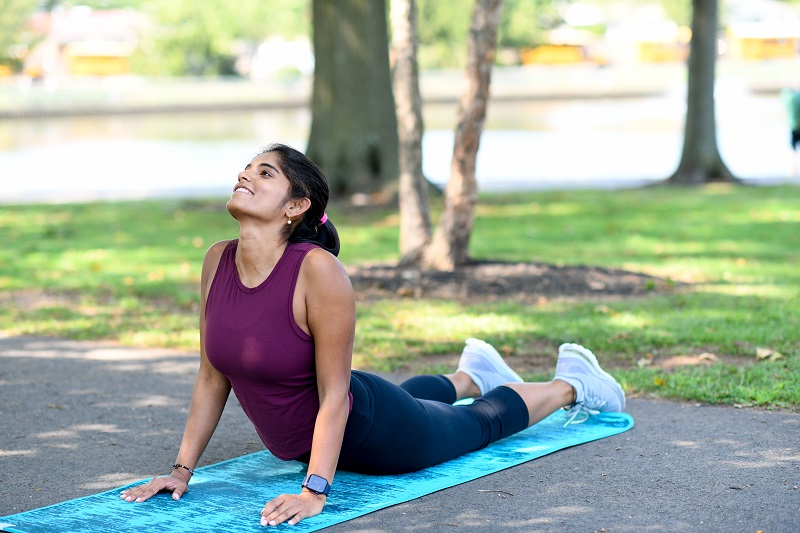
Easy Stretches for Back Pain Relief
Find back pain relief with easy stretches. Dr. Verma shares 10 exercises for home. Alleviate pain; improve your health. Call 800-822-8905.

These Common Daily Habits Are Ruining Your Back
Some of your daily habits could cause back pain. Our experts outline a few common reasons for back pain and how you can stop the ache before it begins.
Protecting Your Bones Through Menopause
Hormonal changes during menopause can cause several health issues for women, including osteoporosis. Our expert shares what you need to know about bone loss and how to prevent it at any age.