


Learning that you need heart surgery can be scary.
But fortunately, minimally invasive options are available. These significantly lower the risk of complications and enhance both short-and long-term health outcomes.
As a result, you can recover faster, with less pain and less anxiety.
“These procedures put less stress on the heart and the body, which translates to easier recovery times,” says Ryan Kaple, M.D., a board-certified interventional cardiologist and the director of the Structural & Congenital Heart Program at Hackensack University Medical Center.
Learn more about some of the latest minimally invasive cardiology innovations offered at Hackensack Meridian Health.
Advanced Tricuspid Valve Repair
The tricuspid valve is one of four main valves in the heart that keep blood flowing throughout your body.
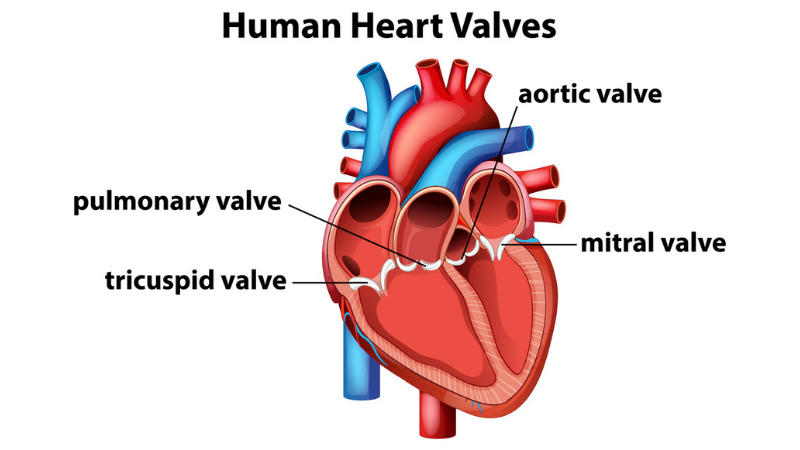
Typically, heart valves open and close with each heartbeat, ensuring your blood passes through the four heart chambers and on to your organs.
When the tricuspid valve stops working properly — due to cardiac conditions like aortic stenosis, coronary heart disease and arrhythmias — blood may flow backwards and leak into the heart chambers, says Dr. Kaple. This is called tricuspid valve regurgitation.
“The heart has to work extra hard to compensate for that blood volume going backwards with each heartbeat,” he says. As a result, blood doesn’t reach the lungs as efficiently, which can lead to shortness of breath and swelling in the abdomen or legs.
Hackensack Meridian Health offers multiple minimally invasive procedures that can both repair and replace the tricuspid valve to effectively restore blood flow and reduce the symptoms of heart valve disease so people can maintain and reclaim their quality of life, says Dr. Kaple.
1. Tricuspid Valve Transcatheter Edge-to-Edge Repair (T-TEER) via TriClip
Within the tricuspid valve are two leaflets that normally clasp shut with each heartbeat. If the leaflets fail to close properly, the valve may leak large quantities of blood, causing uncomfortable symptoms.
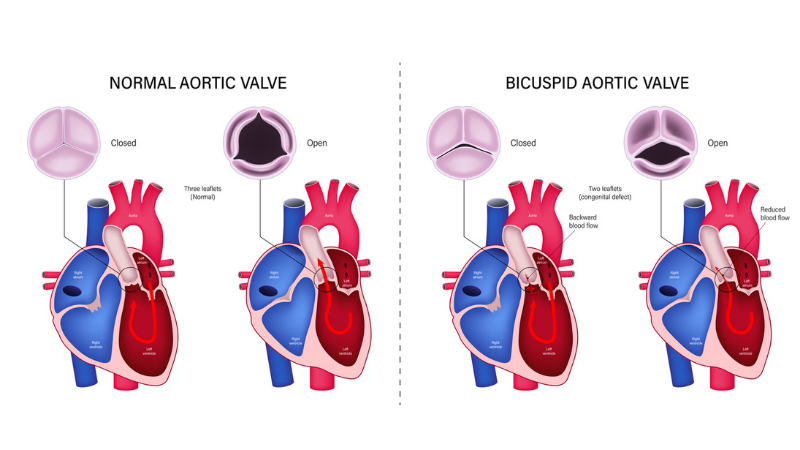
Depending on the severity of leakage, which is determined via an echocardiogram, T-TEER may be recommended.
During T-TEER, which lasts roughly one hour, a clip-like device is inserted through a vein in the leg. The device is threaded up to the heart where the clip attaches to both leaflets. “When we close the clip, it pulls the tissue together to restore the union between the two leaflets, so the valve doesn’t leak anymore,” says Dr. Kaple. The clips are permanent, and the heart heals fully within three months.
Until a couple of years ago, this condition would be treated with medical therapy or open heart surgery, which is linked to serious risks and complications like bleeding and clots. T-TEER has transformed how faulty valves are managed. “We’ve never had this kind of safe treatment option for the tricuspid valve before, so this is really a whole new arena for us,” says Dr. Kaple.
2. Transcatheter Tricuspid Valve Replacement (TTVR) via EVOQUE
In severe cases, the tricuspid valve may need to be replaced entirely.
During this procedure, a prosthetic valve that’s loaded in a capsule is inserted through a blood vessel in the groin and threaded up to the heart, where it’s attached to the damaged leaflets. The diseased valve does not need to be surgically removed. Rather, the new valve “immediately takes over the work of the old valve,” says Dr. Kaple.
The anatomy of the valve and the overall size and function of the heart chambers determine whether TTVR or T-TEER is right for you.
3. Transcatheter Aortic Valve Replacement (TAVR)
Up to 5 percent of adults over 65 develop aortic stenosis, a condition in which calcium accumulates in the aortic valve — the final valve that blood passes through to exit the heart and reach the rest of the body.
With stenosis, “the valve leaflets don’t open properly, so you have a very small space for all the blood that the whole body needs to get through,” says Dr. Kaple.
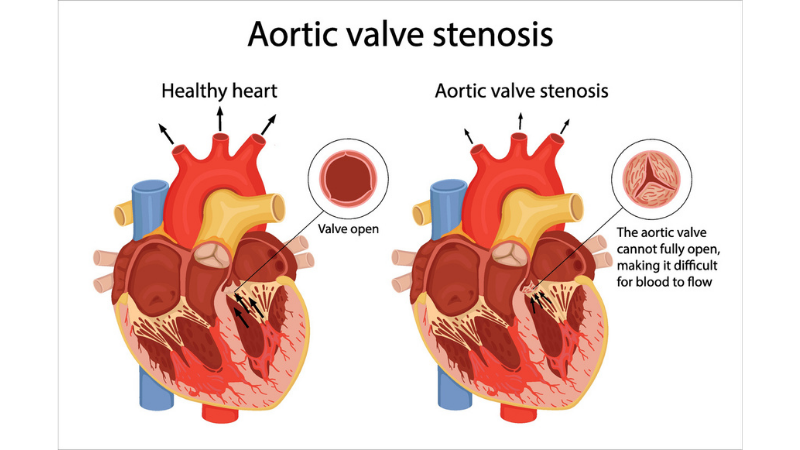
This can cause shortness of breath, feeling unusually tired sooner than expected, swelling in the legs, dizzy spells and chest discomfort because the heart has to work extra hard to pump blood to your body.
With TAVR, a catheter is inserted into the femoral artery near the hipbone, which transports a prosthetic valve replacement to the damaged aortic valve. There, it’s anchored onto the diseased valve where the calcium build-up has developed. The new valve begins functioning immediately to restore normal blood flow.
The procedure takes an hour, and most people go home the next day.
People with severe stenosis may be candidates for TAVR, while those with moderate stenosis should be followed closely by their cardiologist and by a structural heart disease specialist.
TAVR has been around for years, says Dr. Kaple, but the current selection of valves lasts longer, is far safer and is constantly evolving. “We’re finding new ways to use them — for leaky heart valves and to replace old surgical valves that have worn out,” he says.
4. Mitral Valve Transcatheter Edge-to-Edge Repair (M-TEER) via MitraClip or PASCAL
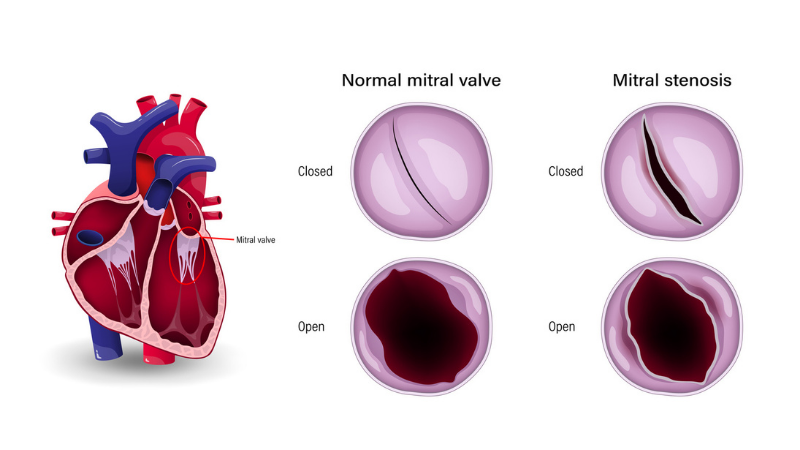
When blood exits the lungs, it enters the top left chamber of the heart before reaching the mitral valve. The mitral valve then opens and blood passes through on its way to the left ventricle (the main pumping chamber of the heart that pushes blood to the whole body).
Like the tricuspid valve, a weakened mitral valve causes blood to flow backwards — only this time, into the lungs. The lungs fill up with fluid, which can trigger shortness of breath, especially during physical activity, says Dr. Kaple.
M-TEER is specifically designed to repair mitral valve leaflets that fail to close properly. Just like T-TEER, M-TEER involves inserting a clip-like device into an artery in the groin and up to the heart. The clip attaches to both leaflets to pinch them shut and prevent leakage.
M-TEER is a tried and true procedure that effectively restores functioning of the mitral valve, says Dr. Kaple. “At Hackensack University Medical Center, we are the busiest M-TEER program in the state of New Jersey. It’s our calling card and why a lot of people come to see us,” he says.
5. Transcatheter Mitral Valve Replacement (TMVR)
Years ago, patients with diseased mitral valves underwent open-heart surgery in which they received valve replacements. TMVR, a newer offering in the structural cardiology field, allows physicians to safely replace these old surgical valves via a catheter, preventing the need to perform another invasive surgery.
During TMVR, a valve is inserted inside of the failed surgical valve using catheters, similar to a TAVR procedure.
Worth noting: TMVR can also be performed on people who’ve never received a valve replacement surgery, using two devices that were recently approved by the FDA.
Dr. Kaple is proud to offer these devices at HUMC, as only select hospitals in the country have access to these new therapies.
Pulsed Field Ablation Treatment for AFib
Atrial fibrillation (AFib) is the most common type of arrhythmia and the leading cardiac cause of stroke. Symptoms vary, but may include palpitations, shortness of breath and decreased energy — all of which can decrease your quality of life, says Riple Hansalia, M.D., an electrophysiologist at Jersey Shore University Medical Center.
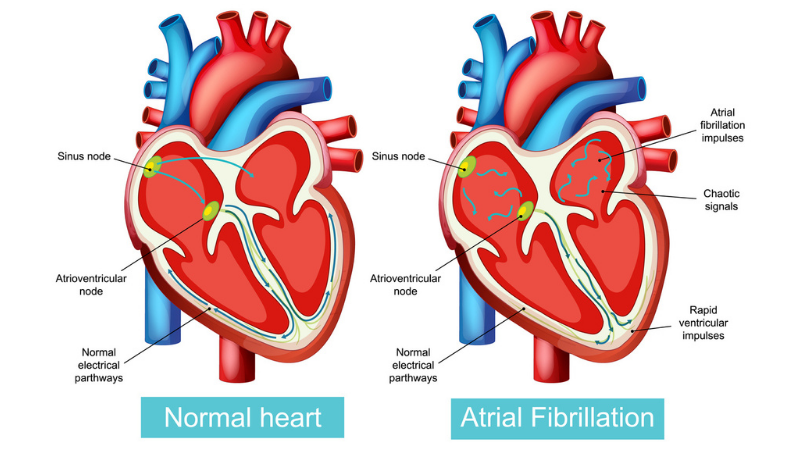
With AFib, the heart develops abnormal electrical signals that disrupt regular electrical signaling. The most effective way to treat AFib is to ablate, or scar, this tissue, says Dr. Hansalia.
Pulsed field ablation is a new technology that uses short bursts of electrical energy to scar the tissue, says Dr. Hansalia. “This technology allows us to ablate the tissue in a quicker, safer and more effective way than the traditional technologies that heat or cool the tissue,” he says.
The procedure is short, lasting between 1.5 and 2 hours, and people typically go home the same day. It’s extremely safe, rarely leading to serious complications. It helps minimize AFib symptoms, all while boosting quality of life and lessening the risk of congestive heart failure and dementia.
Pulsed field ablation has helped doctors like Dr. Hansalia treat many more patients, particularly older and sicker adults who previously wouldn’t have been candidates for ablation. Now, HMH is one of the highest volume ablation centers in the state.
HMH is constantly involved in clinical trials evaluating both new and existing treatment options for the mitral and tricuspid valves, along with AFib. Treating a wider set of patients with safer, more effective solutions is something both Dr. Kaple and Dr. Hansalia find incredibly rewarding.
“We are always looking for ways to iterate and advance the procedures we already have to give people more options,” says Dr. Kaple.
Next Steps & Resources:
- Meet our sources: Ryan Kaple, M.D. and Riple Hansalia, M.D.
- Make an appointment online with a cardiologist near you, or call 800-822-8905.
- Learn more about our heart care services.
Find a doctor near me

New Hope for Florham Park Man With AFib
When Anthony Vesce was diagnosed with a life-threatening irregular heart rhythm, an innovative minimally invasive procedure provided the needed fix.

Robotic Surgery Heals a Heart
Robotic heart surgery heals blocked arteries. Minimally invasive procedure offers faster recovery. Learn more about Jersey Shore's innovative approach.

Advanced Cardiac Care Offers Hope For Manalapan Man with Cardiac Amyloidosis
In spite of repeated hospitalizations, Tony couldn’t get a diagnosis - until help from his daughter and the HMH team got him the heart care that would allow him to enjoy retirement.

A New Heart Scan Helps One Man Take Charge of His Health
Learn how getting screened with a new type of imaging technology at Hackensack Meridian Health may have prevented one man from having a heart attack.