


Here’s something you may not realize: Stroke is the third leading cause of death in women across the United States.
In fact, women are more likely to have a stroke than men, tend to have worse outcomes and are more likely to experience symptoms that don’t match the classic warning signs, according to the American Heart Association (AHA).
That’s why it’s important to know the signs of a stroke in women. Being aware of them could save your life or someone else’s. Here’s what to look out for.
What Are the Signs of a Stroke in Women?
The main symptoms of stroke are the same for both women and men, says Nancy Gadallah, D.O., a board-certified vascular neurologist at the Stroke & Neurovascular Center at JFK University Medical Center in Edison, New Jersey.
The acronym BE FAST can help you remember them:
- B: Loss of balance
- E: Eye or vision changes
- F: Facial drooping
- A: Arm weakness or numbness
- S: Speech difficulty like trouble speaking or confusion
- T: Time to call 911
That said, women may have other, more-subtle symptoms as well, says Sanskriti Mishra, M.D., a board-certified vascular neurologist and director of Stroke at the Hackensack Meridian Neuroscience Institute at Jersey Shore University Medical Center. These may include:
- Headache
- Dizziness
- Nausea
- Vomiting
- Hiccups
- Confusion
- Behavioral changes like severe and uncharacteristic irritability, anxiety or apathy
- Blurred vision
- Sudden, overwhelming heaviness or loss of energy
Because symptoms like these can be caused by many different things, “you really need to watch out for the BE FAST symptoms,” says Dr. Mishra, especially if they come on abruptly.
“The hallmark of stroke is that symptoms happen suddenly,” adds Dr. Gadallah. If you experience BE FAST symptoms, it’s important to dial 911 and get to the hospital as soon as possible. “[It’s] very time dependent. The sooner you come in, the better we can help.”
If you're experiencing symptoms like headaches, dizziness or nausea without the BE FAST signs, talk to your primary care doctor to figure out what's causing them, adds Dr. Mishra.
Why Are Strokes More Common in Women?
Research shows that 56 percent of people who have a stroke are women, and a woman’s lifetime risk of stroke is higher than a man’s. This is partly because women tend to live longer, but it’s also because they face risk factors that men don’t.
“Estrogen has a protective effect against stroke,” says Dr. Gadallah. That means younger women generally have lower stroke risk than men their age. But that protection disappears after menopause, when estrogen levels drop and stroke risk rises.
Pregnancy is another high-risk window. “During pregnancy and up to three months postpartum is considered a hypercoagulable state, meaning you’re predisposed to blood clots, which can cause stroke,” says Dr. Mishra. Conditions like preeclampsia and the increase in blood volume that comes with pregnancy add to the risk, Dr. Gadallah explains.
Birth control pills can also raise clotting risk, particularly when combined with other factors like smoking, says Dr. Gadallah. And migraine with aura, which is a migraine headache with visual disturbances such as flashes of light or blind spots, is another known risk factor, says Dr. Mishra.
Race matters, too. Black women have a higher risk of stroke than white women and are more likely to have worse outcomes. This is partly due to higher rates of conditions like high blood pressure, as well as differences in access to care and social factors that impact health.
How to Reduce Your Risk of Stroke
According to the AHA, around 80 percent of strokes can be prevented.
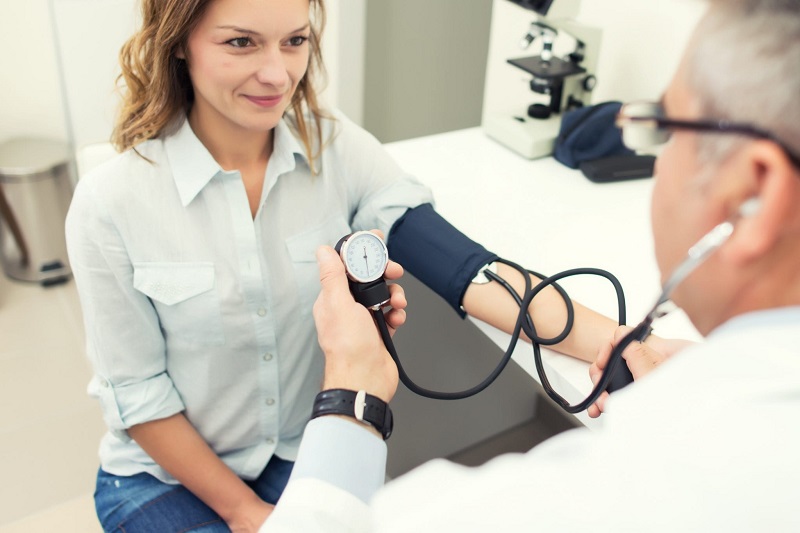
Dr. Mishra recommends that everyone — especially women — see a primary care doctor regularly to check for factors that can impact stroke risk, such as high blood pressure, high cholesterol, diabetes, heart disease and atrial fibrillation (a type of irregular heartbeat).
Taking steps to manage these health issues can help lower your stroke risk, says Dr. Mishra.
It also helps to adopt healthy lifestyle habits, including:
- Quitting smoking or vaping and avoiding secondhand smoke
- Eliminating or limiting alcohol intake to one drink per day for women
- Following a Mediterranean diet (focused on fruits, vegetables, grains, olive oil and fish)
- Staying active (30 minutes of exercise, five days per week)
- Maintaining a healthy weight
- Prioritizing sleep (seven to nine hours each night)
- Managing stress
The Bottom Line
Strokes are more common in women than men, and the symptoms can look different. But you can take steps to prevent stroke, including seeing your primary care doctor regularly, quitting smoking and limiting your alcohol intake.
Next Steps & Resources:
- Meet our sources: Nancy Gadallah, D.O., and Sanskriti Mishra, M.D.
- Make an appointment online with a vascular neurologist near you, or call 800-822-8905.
- Learn more about our stroke care services.
Find a doctor near me

How to Help Prevent Stroke
Prevent stroke: Reduce your risk with expert tips from Dr. Uhrik. Learn how lifestyle changes can improve heart health. Call 800-822-8905.
10 Ways to Lower Your Risk of Stroke
Lower your stroke risk. Learn 10 ways to improve your heart health and reduce stroke risk from leading doctors. Find resources and next steps.

Preventing a Second Stroke: 5 Tips and Habits
Prevent a second stroke. Learn 5 tips and habits from leading doctors to reduce your risk and improve your health. Get expert advice now.

These 9 Things Can Increase Your Risk of Stroke in Your 40s
Do strokes only affect older adults? While they’re more common among people aged 65 and older, 10 to 15 percent of people who have strokes are between the ages of 18 and 50.