

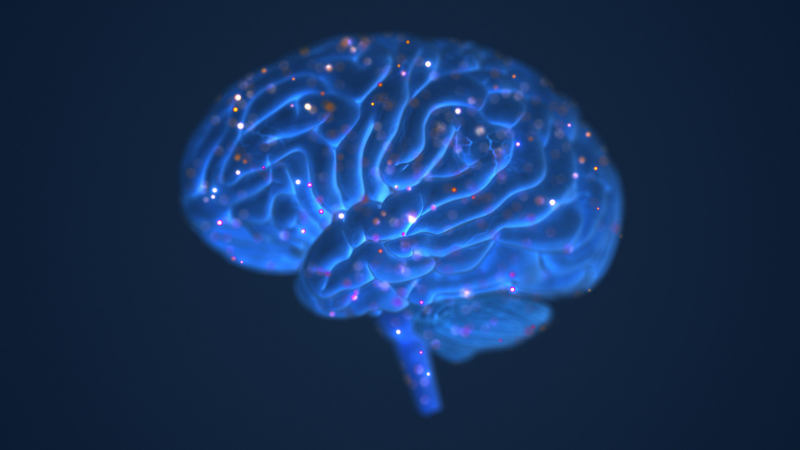
If you have severe depression or obsessive-compulsive disorder (OCD) and medications haven’t brought relief, you’re not alone. About 30 percent of people who have major depressive disorder find that it’s resistant to standard therapies.
But there’s a noninvasive option that may help: deep transcranial magnetic stimulation, or dTMS. It can be life-changing for people whose symptoms haven’t responded to standard treatments like antidepressants and therapy.
Here’s how dTMS works and how to know if it’s right for you.
What Is Deep Transcranial Magnetic Stimulation (dTMS)?
dTMS is a procedure in which a device is used to stimulate underactive areas of your brain.
“Your doctor positions the device on a specific area of the brain, depending on the disease or condition you’re treating,” explains Fortunato Battaglia, M.D., Ph.D., neurologist and professor of Neurology and Medical Sciences at the Hackensack Meridian School of Medicine. “It delivers a magnetic field, but when that crosses the skull, it transforms into electricity. That electricity activates an area of the brain that’s not functioning properly.”
The first TMS device was approved by the Food and Drug Administration for major depressive disorder in 2008. Deep transcranial magnetic stimulation therapy (dTMS) is one type of TMS. It uses a helmet that covers your entire head, and, as the name implies, its magnetic pulses can stimulate areas that are deeper within your brain.
Doctors used to recommend dTMS only after someone had tried medications without success. Now it may be offered as a first-line treatment, says Dr. Battaglia, particularly for people who want to avoid the side effects of antidepressants.
How Does dTMS Work?
The helmet uses something called an H-coil, which transmits magnetic pulses 3 to 6 centimeters into your brain. That might sound more intrusive than medication, but dTMS is a quick outpatient procedure.
“The concept of brain stimulation can trigger anxiety, and with the helmet, dTMS can look a little intimidating, but the technique is super safe,” says Dr. Battaglia. “It’s tolerated very well.”
How Effective Is dTMS?
Very. Research has found that an accelerated form of dTMS (which involves multiple sessions per day) can have a response rate of up to 80 percent in people with major depressive disorder.
A systematic review of 28 clinical trials found dTMS especially effective for depressive episodes in people who have bipolar disorder, OCD and addiction to cigarettes or alcohol. Emerging research suggests it may help with migraine, posttraumatic stress disorder, stroke rehabilitation and Alzheimer’s disease, too.
Many people start to feel relief after just one session, says Dr. Battaglia, and their response can last for several months. Whether you need follow-up appointments, and how often, depends on your individual situation.
What to Expect During dTMS Treatment
Many Hackensack Meridian Health doctors offer dTMS in their offices, so you likely won’t need to go to a hospital or specialty center.
Traditionally, dTMS has been given in short daily sessions for about six weeks. “But recently, there’s been a technical development, and the treatment can be done over only five or six days in one week,” says Dr. Battaglia. Each session takes less than 20 minutes, plus a little setup time.
Side effects are usually mild and may include scalp pain or discomfort, or headache, says Dr. Battaglia. Serious side effects, such as seizures, are very rare. In the systematic review of 28 studies, only three instances of seizure were reported.
Who Is a Good Candidate for dTMS?
dTMS is FDA-approved to treat people with the following conditions:
- Major depression
- OCD
- Smoking or alcohol addiction
dTMS may be especially helpful if medications haven’t worked or if you’re still having symptoms despite taking them.
It may not be right for you if you’ve experienced brain trauma, if you have a history of seizures or if you’re taking a medication that increases brain excitability. For instance, some psychoactive drugs, such as the antipsychotic drug clozapine, can increase your risk of seizures.
For most patients, dTMS is safe and effective. “We can change the parameters a little bit and tailor the stimulation for your brain, for your condition,” says Dr. Battaglia. “We can really personalize the treatment for you.”
Next Steps & Resources:
- Make an appointment online with a provider near you, or call 800-822-8905.
- Learn more about our behavioral health and neurological services.
Find a doctor near me
How One 9/11 Widow Found Relief From Treatment-Resistant Depression
After decades of failed depression treatments and unimaginable loss, Loisanne Diehl found hope and healing through Spravato® therapy. Read her story.
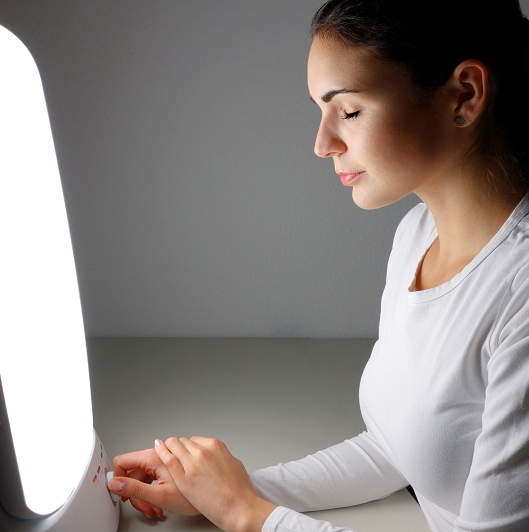
Seasonal Affective Disorder and Light Therapy: Does it Work?
Discover how light therapy can alleviate seasonal affective disorder (SAD) symptoms. Psychiatrist Eric Alcera, M.D., explains this popular SAD treatment.

Battling Depression: Start Your Day With These 3 Practices
Simple changes to your morning routine can make a big difference in your mood and overall mental health. Try these 3 practices.
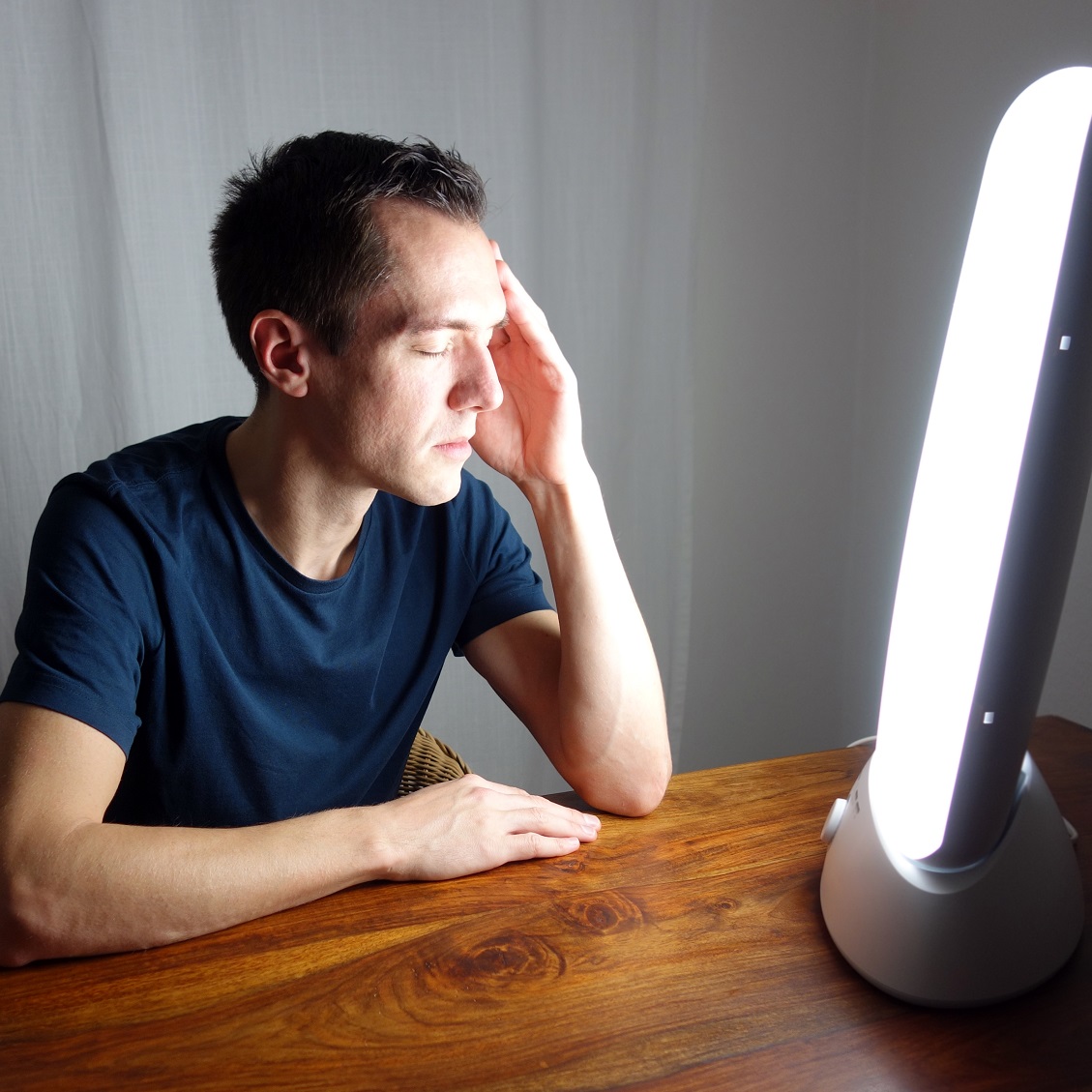
How Light Therapy Lamps Actually Work
Learn how light therapy lamps treat SAD and other conditions. Dr. Alcera explains how light therapy works and offers guidance. Find relief from depression symptoms. Call 800-822-8905.