


A warm summer day is perfect for gardening, walking around the neighborhood or spending time outside with loved ones. But for older adults, high temperatures can become dangerous fast — sometimes before any warning signs show up.
According to the U.S. Centers for Disease Control and Prevention (CDC), adults ages 65 and older are among those at greatest risk for heat-related illness.
“Older adults are particularly vulnerable to the effects of extreme heat,” confirms Zeeshan Khan, M.D., chief of geriatric medicine at Hackensack Meridian Jersey Shore University Medical Center. “Their bodies don’t adjust to changes in temperature as quickly, and they’re more likely to have chronic health conditions or take medicines that interfere with the body’s ability to regulate temperature."
Why is Hot Weather Harder on Older Adults?
Several age-related changes make it easier for older adults to become overheated or dehydrated.
Many older people don’t feel thirsty until they’re already becoming dehydrated. And the body naturally holds less water with age, making it easier to lose fluids during hot weather.
Some medications commonly taken by older adults also add to the hydration challenge. The risk of overheating is “even greater for those taking diuretics, often called ‘water pills,’ which are prescribed for conditions such as high blood pressure, and they cause the body to lose more fluid,” Dr. Khan explains. “This combination can quickly lead to dehydration, and it’s crucial to drink water throughout the day to combat this.”
Knowing how to prepare before temperatures soar can help prevent dehydration, heat exhaustion and even life-threatening heatstroke.
How to Stay Safe During a Heat Wave
You can prevent most heat-related emergencies with a few simple habits:
Stay Hydrated
For older adults especially, don’t wait until you’re thirsty to drink water.
In addition to drinking fluids throughout the day, eating foods with high water content can help you stay hydrated, including:
- Watermelon
- Cucumbers
- Strawberries
- Cantaloupe
- Tomatoes
It’s also smart to limit alcohol and excessive caffeine, because both can cause dehydration.
“I recommend talking to your doctor about how to best stay hydrated safely during hot weather,” says Dr. Khan.
Stay Cool
When temperatures climb, try to spend the hottest part of the day (between 3 to 6 p.m.) indoors. If your home doesn’t have air conditioning, consider spending a few hours at the local cooling center, library, senior center or shopping mall.
When you do go outside:
- Plan activities during the early morning or evening
- Wear lightweight, loose-fitting, light-colored clothing
- Take frequent breaks in the shade
- Use fans or cool showers to lower your body temperature
Plan Ahead
Preparing before a heat wave arrives can make it much easier to stay safe.
Keep your home stocked with:
- Plenty of water and electrolyte drinks, if recommended by your physician
- Fresh fruits and vegetables
- Easy-to-prepare meals that don’t require using a hot oven
- Any medications you may need during several days of extreme heat
Harry Kopolovich, M.D., chair of emergency medicine at Hackensack Meridian Jersey Shore University Medical Center and K. Hovnanian Children's Hospital, encourages people to think proactively.
"The best way to think about heat safety is to stay ahead of the heat rather than react to it," he says. "Hydrate before you're thirsty, seek shade before you feel overheated, take breaks before you're exhausted and check on vulnerable family members before they develop symptoms. Most heat-related emergencies are entirely preventable when we plan ahead."
What are the Signs of Heat Exhaustion and Heatstroke?
Part of preventing heat-related illness involves understanding it. It’s important to learn the difference between heat exhaustion (which can happen first) and heatstroke (which can be life-threatening).
Heat exhaustion symptoms include:
- Cold, pale or clammy skin
- Dizziness
- Heavy sweating
- Nausea
- Weak pulse
- Weakness
If you start to experience the above symptoms, Dr. Kopolovich recommends:
- Moving to a cool location
- Loosening clothing
- Sipping water slowly
- Seeking medical attention if symptoms worsen or don’t improve
Heatstroke symptoms include:
- Confusion or altered mental status
- High body temperature
- Hot, dry skin
- Loss of consciousness
- Rapid, strong pulse
“If you suspect heatstroke, call 9-1-1 immediately,” Dr. Kopolovich says.
Extreme Heat is No Joke
If you have an older family member, neighbor or friend who lives alone, a quick phone call or visit can make a meaningful difference during a heatwave. Make sure they have working air conditioning, enough water and access to medical care, if needed.
Remember that summer is meant to be enjoyed, not feared. By staying hydrated, avoiding the hottest times of the day, dressing for the weather and knowing the warning signs of heat-related illness, older adults can continue enjoying the season safely.
Next Steps & Resources
- Meet our sources: Zeeshan Khan, M.D. and Harry Kopolovich, M.D.
- Make an appointment online with a geriatric specialist near you, or call 800-822-8905.
- Explore the geriatric medicine services at Hackensack Meridian Health.
Find a doctor near me

Stroke Symptoms in Women: Signs You Shouldn’t Ignore
Women are more likely to have a stroke than men, and the signs can look different. Learn the stroke symptoms in women you need to know.

Is the Sun Good for You? 5 Surprising Health Benefits
Is the sun good for you? A doctor explains five health benefits of the sun and how to enjoy them safely.

What Health Screenings Do You Need?
Hackensack Meridian Health experts explain which health screenings you need each year so you can stay healthy. Take this personalized quiz to find out.
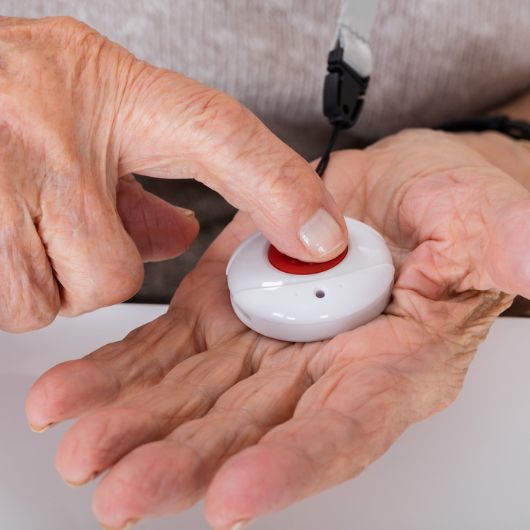
How to Choose a Medical Alert System That's Right For You
Not all medical alert systems are the same. Discover the features that a geriatric medicine expert says matter most for safety, independence and peace of mind.