

Key Takeaways
Paternal postpartum depression affects about 1 in 10 fathers after a baby’s birth.
- Signs: Irritability, withdrawal and substance use can signal depression.
- Support: Therapy, parent groups and medication can help fathers recover.
- Get Care: Experiencing symptoms? Consult a mental health professional: Book online | 800-822-8905.
Medically reviewed by Brett A. Biller, Psychologist, Hackensack University Medical Center.

You expected to be tired after your baby was born. You probably knew your routine would change, too. But what if you also feel angry, disconnected or unlike yourself?
Postpartum depression isn’t just a concern for moms. About 10 percent of fathers experience paternal postpartum depression, a type of depression that develops during pregnancy or within the first year after a baby is born. This amount is likely higher due to many men not reporting symptoms.
This kind of depression might show up differently in dads than it does for mothers. Instead of recognizing persistent sadness, a father might notice that he’s increasingly irritable, short-tempered, withdrawn or relying more on alcohol or other substances.
Brett A. Biller, PsyD, director of mental health at the Audrey Hepburn Children's House at Hackensack University Medical Center, helps families understand and address mental health challenges during childhood and the transition to parenthood. He says the changes that come with becoming a father can affect mental health in ways that aren't always obvious.
"The perinatal period is a time of significant change for new fathers," Biller explains. "They often experience hormonal shifts, including decreased testosterone and increased estrogen and cortisol, which are evolutionary mechanisms to increase attachment to their offspring but also make them more susceptible to depression and anxiety."
Why Does Postpartum Depression Happen in Fathers?
Becoming a parent is a major life transition. Even when a baby is healthy and deeply wanted, the adjustment can bring significant physical, emotional and practical stress.
Common factors that can contribute to depression in fathers include:
- Sleep deprivation
- Changes in the relationship with a partner
- Increased financial pressure
- New responsibilities at home and work
- Less time for activities and relationships outside the family
- Feeling unprepared for the demands of parenthood
- Lack of emotional or social support
- Having a partner who is experiencing postpartum depression
"Increased negative symptoms after the birth of a child are also related to environmental influences, such as fathers experiencing reduced sleep, increased financial pressure, significant change in the relational dynamic with their partner and often a lack of support provided to fathers,” says Dr. Biller.
A father's risk of paternal postpartum depression can also increase when his partner is experiencing postpartum depression. Research shows that depression in one parent is closely associated with depression in the other, with studies reporting paternal depression rates as high as 24 to 50 percent among fathers whose partners have postpartum depression.
That means supporting both parents during this major life change matters.
What are the Signs of Paternal Postpartum Depression?
Knowing what to look for can help fathers and their loved ones recognize when it is time to seek support.
Signs of paternal postpartum depression may include:
Changes in Mood and Behavior
- Irritability, anger or frequent frustration
- Agitation or aggressive behavior
- Feeling sad, hopeless or overwhelmed
- Loss of interest in activities once enjoyed
Changes in Relationships and Daily Life:
- Withdrawing from a partner, family or friends
- Difficulty bonding with or enjoying time with the baby
- Spending excessive time working, gaming or using screens to escape
- Trouble concentrating or making decisions
Changes in Physical Health and Coping:
- Changes in sleep or appetite
- Ongoing fatigue
- Headaches or stomachaches without another clear cause
- Increased alcohol or substance use
Having one tough day doesn't mean a dad has postpartum depression. The concern is when symptoms persist, interfere with daily life or represent a major change from how he normally feels or behaves.
Why Do Fathers Often Go Undiagnosed?
One reason paternal postpartum depression remains underrecognized is that many fathers don't realize they can experience it. There's also a societal expectation that dads should be strong, dependable and able to support everyone else. Asking for help can feel like admitting that they're not living up to those expectations.
It’s important for men to realize that struggling after the birth of a baby isn't a sign of weakness. It's actually a health concern that deserves attention.
"By publicizing and making services easily accessible, we can reduce stigma and encourage more fathers to get the help they need," Biller says.
Another challenge is that fathers may not be routinely included in postpartum mental health conversations. Traditionally, much of the focus has been on the mother's physical and emotional recovery after childbirth. But more research is underscoring the importance of looking at the mental health of both parents.
A 2026 JAMA Network Open article highlighted a major reason not to overlook fathers: Researchers found that the incidence of depression and stress-related disorders among fathers was higher one year after childbirth than during the preconception period. The authors noted that fathers may not receive adequate attention during the postpartum period, allowing symptoms to go unrecognized.
How is Paternal Postpartum Depression Treated?
Paternal postpartum depression is treatable. The right approach depends on a father's symptoms, needs and overall health.
Treatment may include:
- Individual therapy
- Cognitive behavioral therapy
- Group therapy or parent support groups
- Medication when appropriate
- Support for sleep, stress management and healthy routines
- Treatment for alcohol or substance use when needed
Talking with a primary care provider or mental health professional is a good place to start. A provider can help determine whether symptoms are related to postpartum depression or another mental health concern and recommend appropriate treatment.
Fathers don't have to wait until symptoms become severe before asking for help.
How Can Loved Ones Support a New Father?
If you're concerned about a new dad in your life, start with a conversation rather than an accusation. You might say, "I've noticed you've seemed more stressed lately. How are you doing?"
Listen without immediately trying to solve the problem. Let him know that becoming a father is a major adjustment and that needing support doesn't make him a bad parent.
You can also make it easier to get help by offering to find a provider, attend an appointment or help with the baby while he takes time for himself.
Hackensack Meridian Health also offers Productive Parent Coaching for mothers, fathers and expecting caregivers. Father-focused groups give dads an opportunity to connect with other fathers while learning ways to manage emotions, understand children's developmental behaviors and build parenting skills.
A group setting can be especially helpful for fathers who feel like they're the only ones struggling. Sometimes hearing another dad say, "I've felt that way, too," is the first step toward getting help.
The Bottom Line: Paternal Postpartum Depression is Real
Paternal postpartum depression is real, common and treatable. Fathers can experience depression during pregnancy or within the first year after their baby's birth, and the symptoms don't always look like sadness.
Irritability, anger, withdrawal, changes in sleep or appetite and increased substance use can all be signs that a new father is struggling. But most importantly, fathers don't have to handle those struggles alone.
If you're a new dad who doesn't feel like yourself, or you're worried about someone you love, reach out to a healthcare professional. Getting support isn't a failure as a parent. It's one way to take care of yourself and the family you're building.
Next Steps & Resources
- Meet our source: Brett A. Biller, P.S.Y.D.
- Explore the behavioral health services at Hackensack Meridian Health.
Find a doctor near me

Postpartum Depression or Postpartum Anxiety? Here's How You Can Tell the Difference
You’ve probably heard of postpartum depression (PPD) — serious, long-lasting depression that starts after giving birth. What you might not know is that postpartum anxiety (PPA) is just as common and disabling. Learn more.
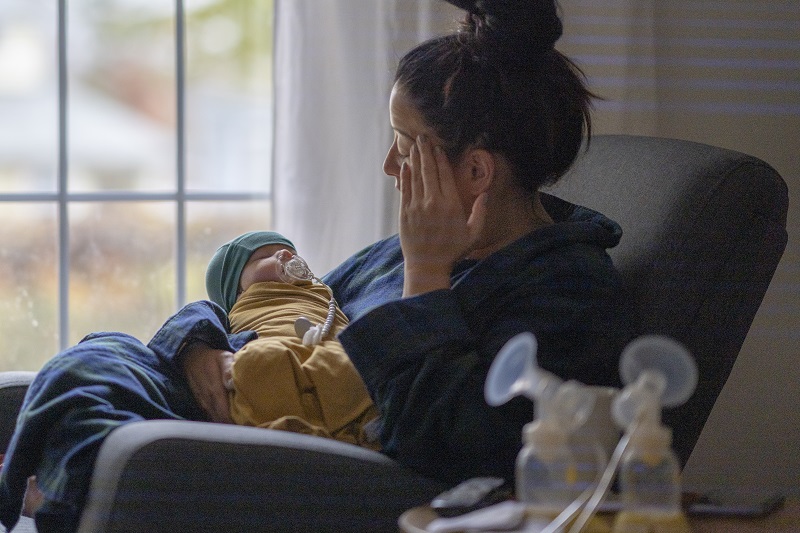
Things No One Told You About Postpartum, But We Will
Your body changes drastically during pregnancy and after child birth. Here’s a closer look at what you can expect during this pivotal period.
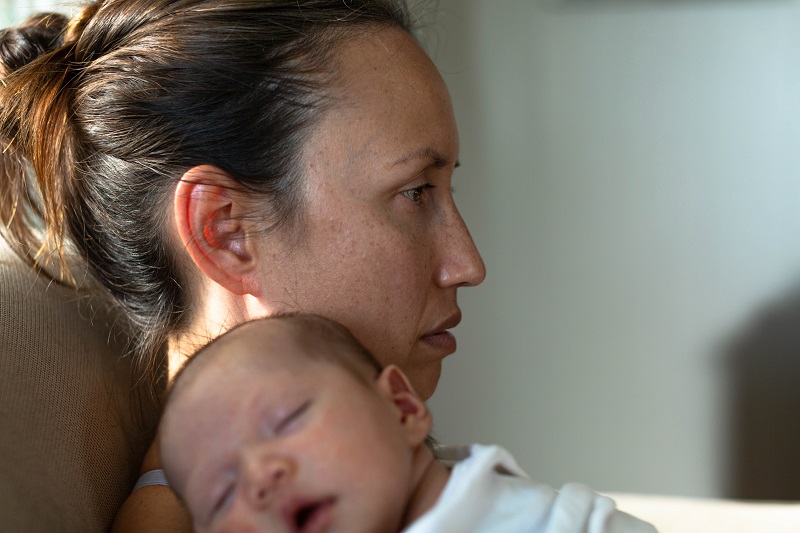
What Causes the Baby Blues? How to Reset Your Brain
Up to 80% of women experience the “baby blues”. Maternal fetal medicine expert, Antonia Francis Kim, M.D. shares why this happens and how to get through it.
7 Signs You Should Seek Help Post Pregnancy
Postpartum health concerns? Dr. Liriano offers guidance on 7 signs needing attention. Get support & resources now. Call 800-822-8905.