

Key Takeaways
You can have a more comfortable hospital stay by preparing ahead and using the tools and teams available to you.
- Preparation: Pack essentials like your ID and medication list, and bring comfort items from home.
- In-Hospital Tools: Use the MyChart app to view test results and message your care team.
- Get Support: Have questions about your upcoming stay? Email consumerservices@hmhn.org or call 848-888-4538.
Medically reviewed by Bridget Alston, Director of Patient Experience, Hackensack Meridian Health.
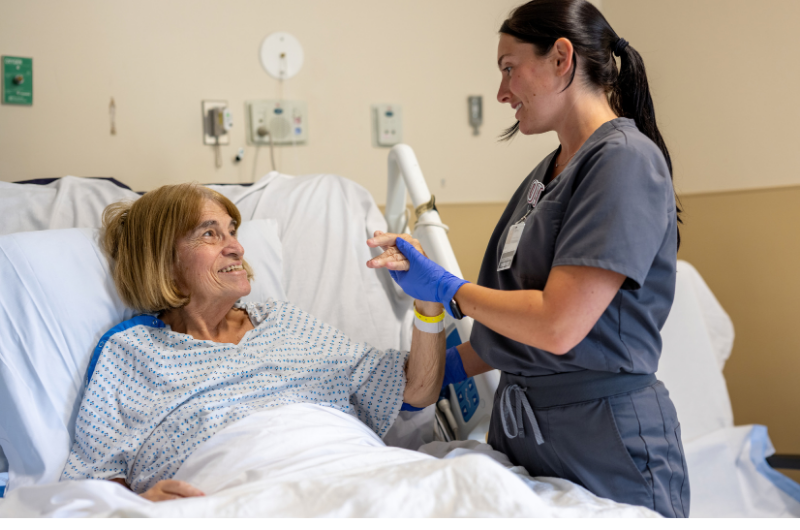
Even when a hospital stay is planned, it can still feel overwhelming. You're not just worried about your health, but also the unknowns: What should I pack? How long will I be there? How will I get through this?
To ease your concerns, we connected with Bridget Alston, director of Patient Experience at Hackensack Meridian Health. “There are many tools and teams dedicated to helping make your hospital stay more comfortable and partner with you in your care,” says Bridget.
What to Pack for Your Stay
To make your stay more comfortable, it helps to bring a few personal items from home. It’s important to pack lightly, but consider these essentials:
- Must-Haves: Your ID and insurance card.
- Health Items: A list of your current medications, including any vitamins or supplements you take. Don’t forget your glasses, hearing aids or dentures with their cases.
- Comforts from Home: A soft robe, comfortable slippers and your own pajamas. As Bridget notes, simple "comfort items from home" like an eye mask and earplugs can make a huge difference in helping you rest.
- To Pass the Time: A book, tablet with headphones and a phone charger.
- What to Leave at Home: It’s best to leave valuables, like jewelry or large amounts of cash, at home.
Tools to Keep You Connected and in Control
The MyChart App: Your Health At Your Fingertips
MyChart is an app on your phone or tablet that helps you see what’s going on with your health, right from your hospital bed.
- What is it? MyChart is a secure, online tool that makes it easy to access your health record, connects you with your doctor’s office and alerts you to important health-related reminders, empowering you to manage your own health.
- How do I get it? Your care team can help you sign up, and you’ll also receive a text or email during admission.
- What can it do? With MyChart, you can:
- See your medicines and test results: Know what’s happening with your treatment.
- Track your progress: You can view your daily schedule, including approximate test times and where they will take place.
- Order food: Pick your meals right from the app.
- Learn about your health: Watch videos and read information chosen just for you.
- Message your care team. “The chat feature helps make things faster and easier for the patients and their care team,” Bridget adds. “You can ask for a blanket or a glass of water, or help to the bathroom without needing the call bell.”
- Manage your appointments. You can set up follow-up appointments or view the details of your past appointments.
- Pay your bills. The MyChart app also has an online billing feature that allows for convenient and simple payments.
How Do I See My Medical Information?
MyChart is the perfect tool for seeing what’s happening with your care right now. It gives you a real-time look at your schedule, medications and test results for your current hospital stay.
However, if you need a complete list of your entire medical history (including past treatments and visits), you have the right to request your medical record. Just ask a member of your care team, and they can guide you.
You Are the Most Important Part of Your Care Team
We know it can feel intimidating to speak up in a hospital, but your voice is the most important one in the room. You know your body best, and your questions help us take better care of you.
Write Down Your Questions
"The more questions you ask and the more information you provide, the more it helps your clinicians. It's beneficial for both of you because it helps your care team get a more in-depth understanding of your health,” says Bridget.
- Good questions to ask your doctors and nurses:
- "Can you explain my condition in a simple way?"
- "What is this test or medication for, and what should I expect?"
- "What are the next steps for my care today?"
- "What can I do to help my recovery?"
Your care team is there to make sure you understand everything. Asking questions helps them know what is important to you.
Bring a Loved One Into Your Care Team
You don't have to do this alone. Our Care Companion program lets you choose a trusted loved one to be a hands-on partner in your care.
Who can be a Care Companion?
- Chosen by the patient and family
- 18 years of age or older
- Available to help with care
How Your Care Companion Helps:
- An Extra Set of Hands: Your Care Companion can help with your daily care and needs, such as feeding, hygiene and mobility.
- Keeps Everyone On the Same Page: They serve as the single point of contact between your care team and your family. This helps keep everyone in the know and lessens the chance of miscommunication.
Your Care Companion will also have resources to make their visit easier, such as an onboarding guide, a parking pass and a meal card.
“The Care Companion program allows you to appoint a trusted loved one to be an active participant in your care,” says Bridget. “Having someone there to listen and help ask questions can relieve anxiety and ensure everyone is on the same page."
Support for Every Need
Extra Help When You Need It (Patient Experience)
At every Hackensack Meridian Health hospital, our dedicated Patient Experience team is here to provide an extra layer of support for you and your family. We're focused on making your stay as comfortable as possible while being mindful of the stress that often accompanies hospitalization, helping with a wide range of non-clinical needs.
Our team can assist with:
- Guidance on any non-clinical questions, concerns and special needs you may have
- Understanding patients’ rights within the health care environment
"Think of us as a support for you. If you need assistance or guidance at any point in your journey, our Patient Experience team is here to help,” Bridget says. “You can ask your nurse or any one of our team members to connect you with your site's Patient Experience office."
For experience-related concerns or questions, please contact our Consumer Services Team via phone at 848-888-4538 or email consumerservices@hmhn.org.
Making Your Wishes Known (Advance Directives)
It’s important to think about who you would want to speak for you if you ever became too sick to make your own decisions. This is called advance care planning. Talking about it now, while you are feeling well, helps everyone know what is important to you.
The best way to do this is with a legal document called an advance directive. This paper tells your family and doctors your wishes for your healthcare. Our team can help you fill out a form that makes this process simple.
Worried About Hospital Bills?
Worrying about bills is the last thing you need when you’re focused on getting better. We have a special team that can help you figure out if you can get help paying for your care. They can check if you qualify for programs like NJ Family Care or other assistance.
Spiritual and Emotional Support (Pastoral Care)
Sometimes, you just need someone to talk to. Our Pastoral Care team is here to offer comfort and support to people of all faiths and backgrounds. They are here for you if you are feeling sad, have received difficult news or just want someone to pray with. You can ask your nurse to arrange a visit.
Getting Ready to Go Home (Discharge Planning)
When it’s time to leave the hospital, your care team will work with you to create a discharge plan. This plan is a guide to help you continue your recovery safely at home.
- Your discharge plan will include important information, such as:
- Follow-up appointments: When you need to see your doctor again.
- Medications: A clear list of what to take, how much and when.
- Activities: What you can and can’t do, like driving or lifting things.
- Warning signs: Who to call if you have questions or start to feel unwell.
Before you leave, make sure you and a family member or caregiver understand the plan. Think of it as your roadmap for a safe and successful recovery.
Checking In After You Leave: AI Care Agent Erin
To ensure you continue healing safely at home, you may hear from Erin, our AI care agent. When Erin calls, the number will appear on your caller ID as HMHealth or 848-208-8941. Erin reaches out to patients after discharge to see how they are feeling and offers support by:
- Tracking Your Recovery: Erin checks in to make sure you have scheduled your follow-up visits and are taking your prescribed medications.
- Providing Immediate Triage Support: If you need assistance, Erin can connect you directly with a clinical team member, helping you get the right care and reducing the risk of returning to the hospital.
Getting Involved After Your Stay
Connecting with Others (Support Groups)
Even after you go home, you are not alone. Facing a health challenge can be tough, but connecting with others who are going through similar things can make a big difference.
We offer many support groups for both patients and the people who care for them. In these groups, you can find comfort, share your story and learn from others. It’s a wonderful way to find strength and support on your journey.
Shape the Future of Care: Patient and Family Advisory Councils (PFAC)
Want to use your experience to help others? By volunteering on a Patient and Family Advisory Council (PFAC), you serve as a vital voice for our community by:
- Improving Care & Operations: Collaborating with hospital leaders to enhance patient safety, facility design and everyday operations.
- Guiding Patient Resources: Reviewing policies and educational materials to ensure they are clear and patient-friendly.
- Breaking Down Barriers: Identifying and overcoming obstacles to care so everyone receives compassionate, family-centered support.
Next Steps & Resources
- Make an appointment online with a clinician near you, or call 800-822-8905.
- Learn more about patient and visitor information at Hackensack Meridian Health.
Find a doctor near me

What Does It Mean to Be Ranked by U.S. News & World Report?
Discover how Hackensack Meridian Health's top spots in the U.S. News & World Report rankings reflect our commitment to patient care and clinical excellence.

The Future of Healthcare: 10 Predictions for the Next Decade
What will the future of healthcare look like? Leaders at Hackensack Meridian Health share 10 predictions for care that's more personal, proactive and convenient.

The Morning Habit That Might Be Making You Crash
Could your morning coffee be making you more tired? Learn when to drink coffee, what to eat first and how to avoid the mid-morning energy crash.

HMH Doctors Address Your Top Health Concerns
Hackensack Meridian Health doctors address top health concerns, from screenings to stress, allergies and more. Get expert-backed guidance for 2026.