

Key takeaways:
Back-to-school anxiety is normal stress that eases in a couple weeks. Feeling stressed longer than that could mean burnout or depression.
- When it’s more: Exhaustion, cynicism and pulling back from friends or exercise are warning signs that it’s time to get help.
- Tips: Finding a routine, protecting your sleep and asking for help can help ease the pressure.
- Get care: If back-to-school stress isn’t improving, a behavioral health provider can help: Book online | 800-822-8905.
Medically reviewed by Stacy Doumas, M.D., Chair of Psychiatry, Hackensack Meridian Jersey Shore University Medical Center.
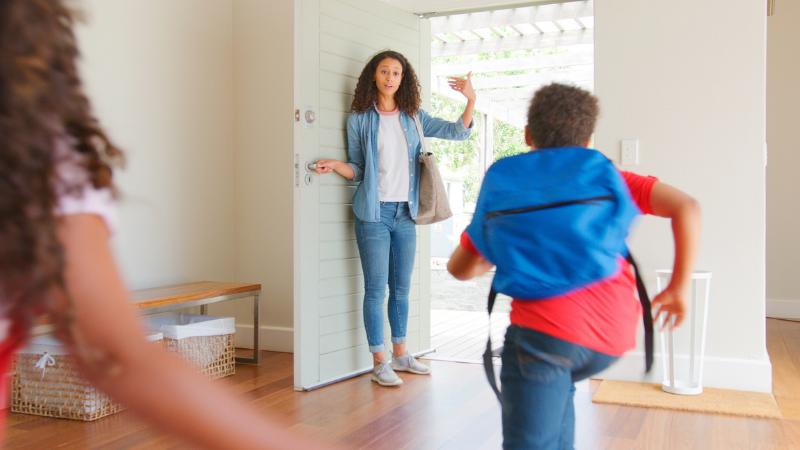
If you’ve been feeling anxious or overwhelmed lately, you’re not alone. In one survey, more than half of parents of kids under age 18 called the back-to-school season the most stressful time of year.
“It’s definitely a thing,” says Stacy Doumas, M.D., Southern Region chair of Psychiatry for Hackensack Meridian Health and chair of Psychiatry at Jersey Shore University Medical Center. “It equates to the Sunday scaries.”
But when does back-to-school stress stop being normal and start signaling burnout, anxiety or depression? Here’s how to tell the difference, plus what can help ease the transition.
Stress or Something More?
Earlier wake-up times. Forms upon forms. A packed calendar.
Feeling tired, annoyed or ready to vent indicates normal back-to-school stress, Dr. Doumas says, and it usually gets better within a couple weeks.
Burnout, on the other hand, looks different. The overwhelm doesn’t let up: You may feel like you’re running on empty or like you want to sleep the whole time the kids are at school. Maybe you feel cynical or detached or like you don’t want to do things that make you feel happy, like seeing friends or exercising.
“That’s when we really worry about it,” she says.
Depression has its own signs. It can feel like sadness, Dr. Doumas says, or it can show up as irritability and snapping at people. Poor energy, trouble concentrating and changes in sleep or appetite are also red flags.
6 Ways to Ease Back-to-School Stress
Find a Routine That Fits Your Life
If packing lunches and bags in the morning stresses you out, try doing it at night. Or opt out entirely.
Dr. Doumas suggests outsourcing what you can. Letting kids buy lunch at school removes one recurring task, and loading a backpack with a week's worth of non-perishable snacks on Sunday covers classroom snacks.
Let Go of Perfection
For example, if the store is out of the exact binder on your child’s school supply list, buy the closest size. An inch-and-a-half binder instead of a one-inch binder is fine.
Give yourself the same grace you’d give someone else, Dr. Doumas says.
Protect Your Sleep
Most adults need seven to nine hours a night. Even one short night can bring on moodiness and memory lapses. And chronic shortfalls are linked to depression and anxiety.
Work backward from the hours you need to set your bedtime, then protect it. That may mean telling the kids to clear out of your room at night.
Steal Back Small Pockets of Time
Look for microdoses of self-care. Instead of sitting through your child’s soccer warm-up, walk or jog laps around the field — or use the time to call a friend.
Lean on Your Community
Don’t be afraid to ask for help. If your child needs a ride to an extracurricular activity, ask another parent if they can catch a ride. Then, return the favor sometime if you can.
Say No — and Then Say Thank You
Remember: You don’t have to say yes to everything. Turning down a class parent role when work has to come first is OK. Rather than feel guilty, thank the parents who take it on.
When to Get Professional Help
Reach out to a mental health provider when back-to-school anxiety lasts more than a month, or when it starts affecting your work, sleep or relationships, says Dr. Doumas.
She watches for two signs that it’s time to get help: when you stop keeping up with what you normally handle at home and work, and when depression symptoms like low energy or appetite changes set in.
Hackensack Meridian Health has behavioral health urgent care centers in Clark, Eatontown, Freehold, Lincoln Park and Neptune. You can walk in without an appointment, get medically cleared and then see a psychiatrist for an evaluation and a plan that may include therapy, medication or a referral.
Most Septembers, the scaries fade as the routine settles in. If yours don’t, help is close by.
If you’re thinking about hurting yourself, go to the nearest emergency room or call 911. You can also reach out to the 988 Suicide & Crisis Lifeline or contact one of Hackensack Meridian Health’s 24/7 hotlines for urgent psychiatric help in New Jersey:
Jersey Shore University Medical Center (Neptune): 732-776-4555
Riverview Medical Center (Red Bank): 732-219-5325
Raritan Bay Medical Center (Perth Amboy): 732-442-3794
Palisades Medical Center (North Bergen): 201-854-5760
Next Steps & Resources:
- Meet our source(s): Stacy Doumas, M.D.
- Learn more about behavioral health services at Hackensack Meridian Health.
Find a doctor near me

6 Healthy Habits HMH Nurses Swear By
If you’re looking to focus on your health, try these nurse-approved routines and habits to give your wellness a boost.

5 Simple Ways to Help Limit Your Child’s Screen Time
According to the American Academy of Pediatrics (AAP), no one — child or adult — should have more than 2 hours of screen time per day, and that amount is even less for kids under age 2.

Three Practical Habits to Decrease Anxiety
Manage anxiety with 3 easy habits. Dr. Alcera offers practical tips for better mental health. Learn more and find support.

What An Anxiety Attack Feels Like & What to Do
Understand anxiety attacks? Dr. Cunningham explains symptoms, differences from panic attacks, and coping strategies. Find relief and support today.