

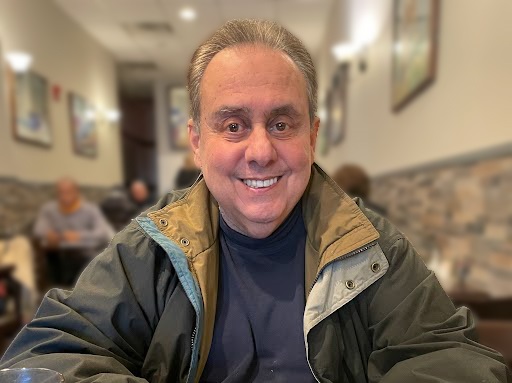
These days, Michael Checchi is happy to be at a diner and order whatever he wants off the menu. He wasn’t able to do that a few short months ago when he was having trouble swallowing.
“I couldn’t even swallow my daily pills in the morning,” explains the 72-year-old. Swallowing was so difficult, Michael decided to see an ear, nose and throat specialist. “The doctor found that I had a growth on my tonsils that turned out to be cancerous.”
Head and neck cancer accounts for about 4 percent of all cancers in the United States. This year, more than 66,000 people are expected to be diagnosed with head and neck cancer.
Symptoms can present as:
- A sore throat
- A toothache
- A mouth sore that won’t heal
- A change or hoarseness in the voice
A Candidate for Robotic Surgery
After Micheal’s diagnosis, he came to the John Theurer Cancer Center at Hackensack University Medical Center and met with cancer care experts, including Chan Park, M.D., an ear, nose and throat physician who specializes in robotic head and neck surgery.
“Michael had a type of cancerous tumor called a squamous cell carcinoma on his tonsils, and he was adamant about not having to undergo radiation,” says Dr. Park, who was confident that a tonsillectomy using the da Vinci SP single port, a robotic surgical system, would successfully remove all of the tumor.
There are many benefits to using the da Vinci single-port surgical system over traditional surgery, which often leaves severe scarring.
“With the robotic system, we don’t need to make any external incisions to remove tumors inside the mouth and throat,” Dr. Park says. “The small surgical instruments on the single-port robotic surgical system come out of a single cannula that is inserted into the mouth. They can easily reach the back of the tongue and throat, where the human hand can’t fit.”
The single-port robotic surgical system also includes a small camera that transmits an image of the surgical area to the surgical console where Dr. Park sits to operate the robot, giving him a 3D, high-definition, magnified view.
‘Cancer-free and Feeling Great’
After surgery in September 2021, Michael spent two days in the hospital. He was talking within a half-hour after the surgery and could eat a liquid diet that evening. As he continued to recover, the discomfort in his throat lessened, and he resumed a regular diet.
“Single-port surgery promotes faster healing, which helps patients get back to swallowing faster and reduces the need for tracheostomy tubes or feeding tubes,” Dr. Park says.
Today, Michael is cancer-free and feeling great. He is enjoying some traveling and all the regional cuisines that come with it.
Next Steps & Resources:
- Meet our source: Chan Park, M.D.
- To make an appointment with Dr. Park or a doctor near you, call 800-822-8905 or visit our website.
- Learn more about cancer care at John Theurer Cancer Center
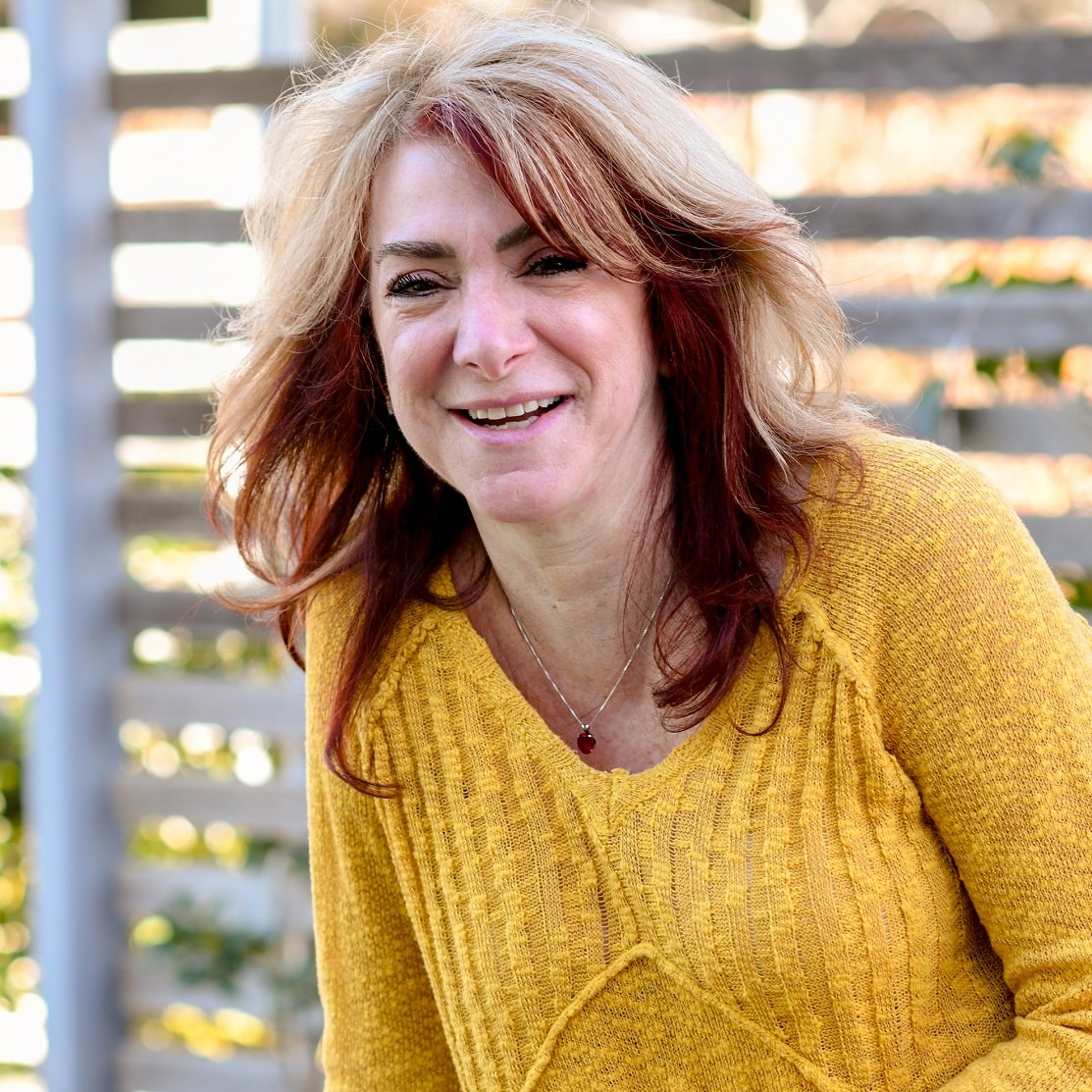
Innovative Proton Radiation Treatment Keeps Metuchen Woman Happily Active
Learn how proton therapy helped Cathy Miro seek radiation treatment that didn’t slow her down while destroying cancer cells.
17-Year-Old Benefits From Tackle Kids Cancer Initiative After Leukemia Treatment
17-year-old Erik Viscito and his family benefit from many corporate partners and donors that generously donate to Tackle Kids Cancer, a philanthropic initiative of Hackensack Meridian Health Foundation that raises money for pediatric cancer research and patient care programs at Hackensack Meridian Children’s Health Children’s Cancer Institute.

Proton Therapy vs. Conventional Radiation Therapy: What to Know
What’s the difference between conventional radiation therapy and proton therapy—and who is a candidate?
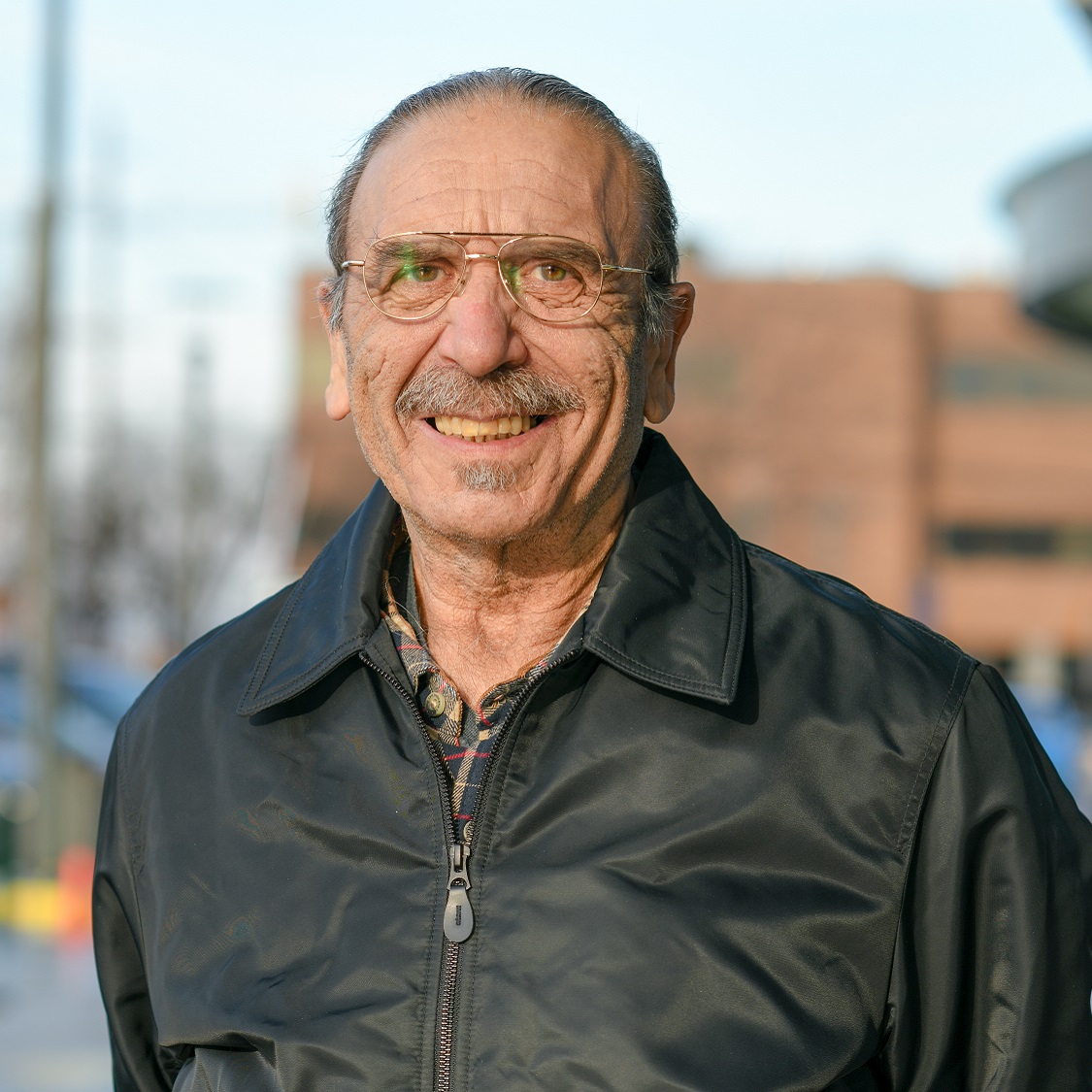
Innovative Treatment Gives Hope for Ridgefield Park Grandfather With Recurring Kidney Cancer
When Ralph Auriemma’s cancerous kidney tumors kept coming back after surgery, injectable gel formulation chemotherapy treatment gave him a new option.