


With six paternal aunts who had breast cancer, Emily Kmosko believed developing the disease herself wasn’t a question of if, but when.
Emily, now 52, was in the thick of caring for her seriously ill fiancé, Ruben Rosario, when she discovered a lump in her breast in April 2022. After mammogram and ultrasound results strongly suggested cancer, Emily quickly found her way to breast surgeon Debra Camal, M.D., medical director of breast oncology at Riverview Medical Center.
“I was waiting for it and had been getting mammograms every year since my 30s,” she recalls. “I just wanted to make sure I caught it when it happened.”

Pivotal DNA Findings About Breast Cancer Risk
A biopsy showed Emily’s breast cancer was small but aggressive—meaning chemotherapy would be necessary. Dr. Camal recommended that Emily undergo genetic testing before deciding if lumpectomy or mastectomy surgery would offer the best chance to stay cancer-free.
Given Emily’s family history, Dr. Camal suspected the sales coordinator might carry mutations in the BRCA gene, fueling breast cancer risk. If she did, a mastectomy would be the more prudent choice.
After genetic testing in June 2022 by Riverview genetic counselor Jayne Murphy, M.S., CGC, all were pleasantly surprised to learn Emily didn’t carry BRCA gene mutations, making a less-invasive lumpectomy possible. But the testing did reveal a mutation in another gene known as CTNNA1.
Scientists didn’t know the significance of that gene for about another year. By mid-2023—when Emily was finishing up an intense treatment regimen that also included radiation and hormone-blocking medications—Emily got a call from the hospital to relay stunning new information. The CTNNA1 gene had been reclassified and now believed to confer a 50 percent or higher risk of developing hereditary diffuse gastric cancer, a rare form of stomach cancer.
Already overwhelmed by caring for her fiancé and finishing breast cancer treatment, Emily was grateful for the opportunity to learn her genetic risks. Jayne and Dr. Camal both explained to Emily how pivotal the findings may be in steering her future care.
“Dr. Camal called me and said, ‘I want to make sure you follow through on these results,’” Emily recalls. “She’s an amazing person. I just believed in her and didn’t worry at all.”
Diligent Monitoring for Stomach Cancer
Jayne recommended that Emily see an expert in high-risk genetics who’s now guiding her through testing options to monitor her stomach lining, which has exhibited cellular changes that may prove concerning for cancer. Emily will likely undergo annual biopsies to determine if cell changes progress and if further treatment is necessary.
Meanwhile, Dr. Camal sees Emily regularly for follow-up breast care, which includes alternating mammograms and breast MRI imaging at six-month intervals.
“I think genetic testing is underutilized,” Dr. Camal says. “A lot of people qualify but don’t get it, because they say they don’t want to know. But it could save your life.”
Despite the turmoil of the past two years, Emily and her fiancé grab fun and adventure when they can, enjoying boating and fishing off the Jersey Shore. “Anyone who knows me knows that I say Carpe Diem—seize the day,” she says. “Ruben and I try to remember we’re lucky to be here. I cannot take one day for granted.”

Next Steps & Resources:
- Meet our source: Debra Camal, M.D.
- Make an appointment online with a breast cancer specialist near you, or call 800-822-8905.
- Schedule a mammogram at a location near you.
- Learn more about breast cancer care at Hackensack Meridian Health.

Know the Early Signs of Metastatic Breast Cancer
Learn early metastatic breast cancer signs. Doctors Campo and Borofsky share vital info for early detection & treatment. Schedule a mammogram today.

Can Lipstick Cause Breast Cancer?
Can Lipstick Cause Breast Cancer? Learn about potential risks from parabens and phthalates in cosmetics. Reduce your risk with expert advice from Drs. Armour, Borofsky, and Graham. Call 800-822-8905.
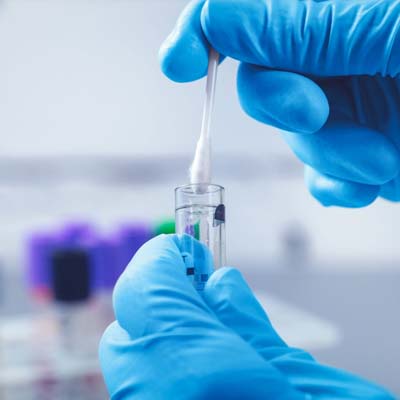
Should You Get Genetic Testing for Breast Cancer?
Genetic Testing for Breast Cancer: Learn about your risk and proactive steps to take. Reduce breast cancer risk with early detection.
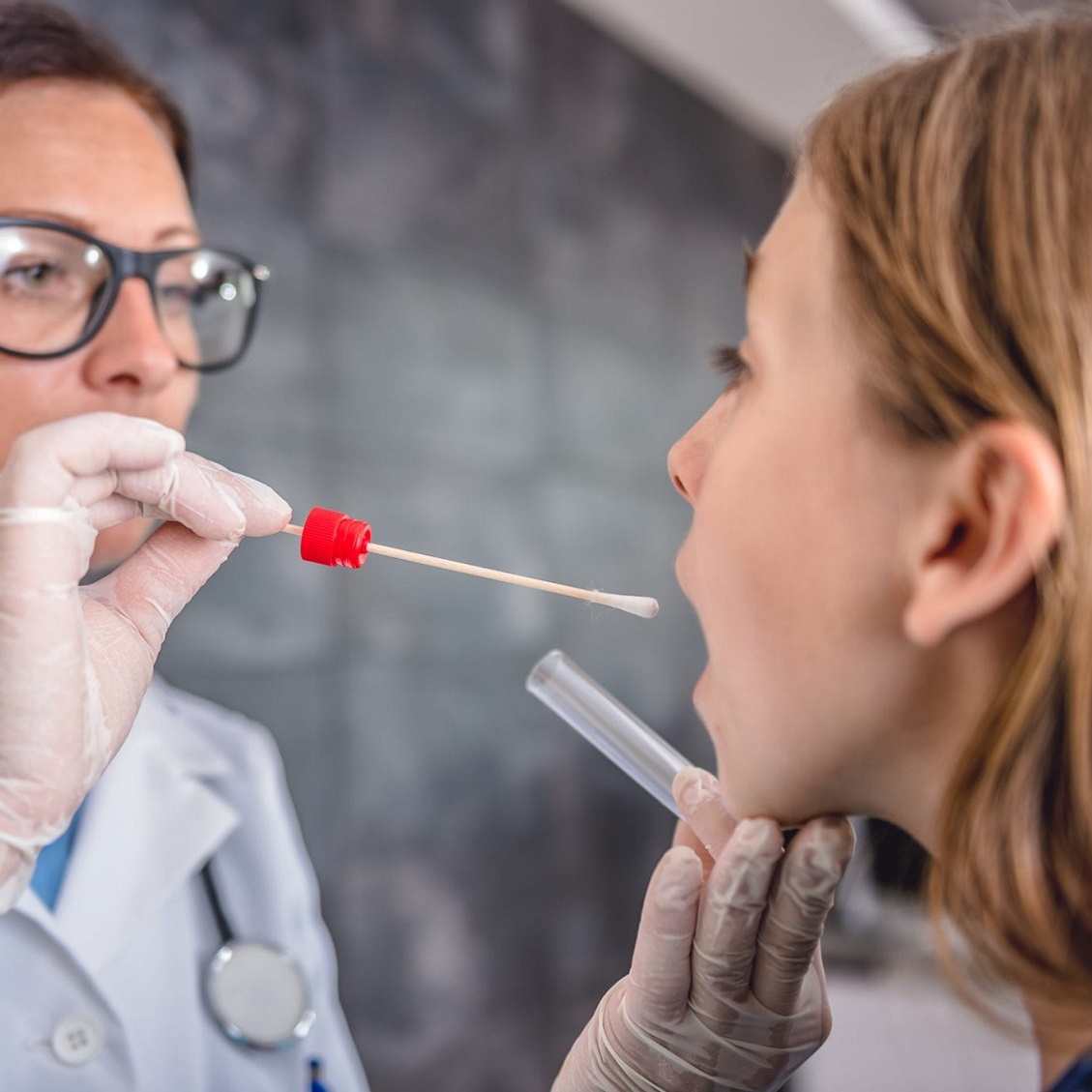
What Genetics Can Tell You About Your Cancer Risk
Learn about your cancer risk. Genetic testing may reveal increased risk. Family history is key. Schedule an appointment today.