

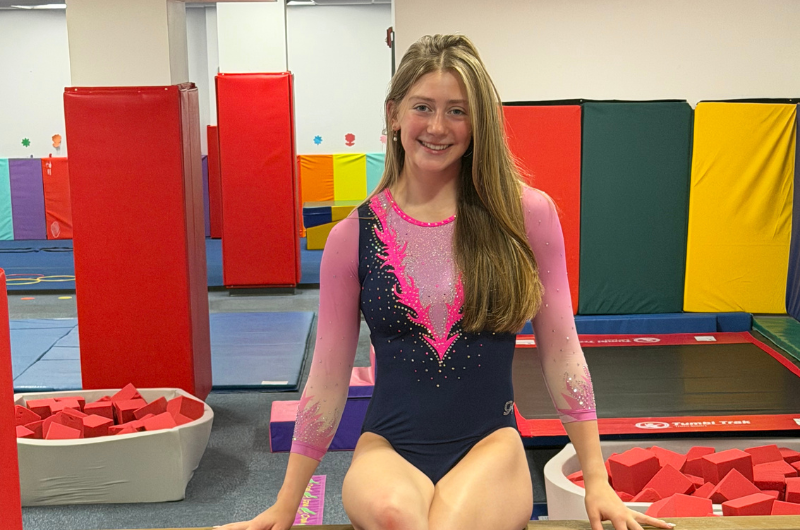
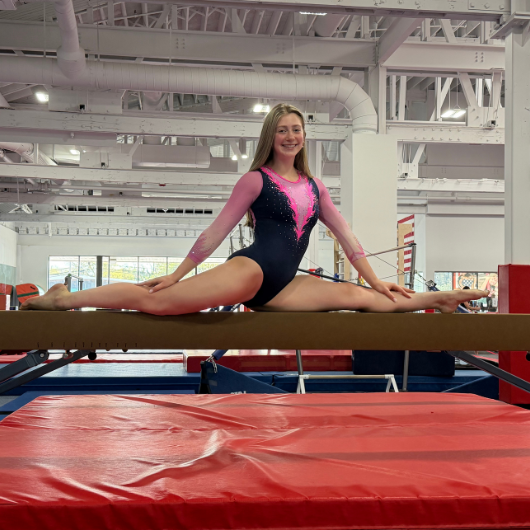
Fate was in the balance for Zoe Lenz. After performing a balance beam routine she’s done countless times, 15-year-old Zoe had no idea that her landing would change the course of her gymnastics career after just finishing the strongest season of her life.
The Fall That Changed it All
Zoe, a dedicated gymnast in Boonton, NJ, was excelling in all her events – vault, beam, bars and floor. Then, during a routine practice, a skill she had performed countless times before went wrong. She fell from the beam, landed incorrectly and the diagnosis confirmed her family’s worst fear: a complete ACL tear.
For decades, tearing your ACL was a very serious injury with a tough recovery. The usual surgery involves doctors taking a healthy piece of tissue from another part of the body, like the back of the thigh or kneecap, and using it to replace the torn ACL.
For an athlete like Zoe, this seemed daunting. A gymnast needs every single muscle to work together perfectly to do powerful flips and landings. The idea of essentially creating a second injury to fix her ACL was devastating.
Choosing a Different Path: Repair, Don’t Replace
However, Zoe’s journey took a different turn, thanks to the orthopedic technology available at Hackensack Meridian Health.
Zoe met with orthopedic surgeon, Yair Kissin, M.D., and he presented an innovative new option: the BEAR® Implant.
BEAR®, which stands for Bridge-Enhanced ACL Restoration, is a revolutionary procedure that helps the body heal its own ligament instead of replacing it. The concept is both simple and brilliant.
- The Bridge: The doctor puts a special, soft sponge-like piece, called the BEAR Implant, into the gap between the torn ends of your ACL. This sponge is made from bovine (cow-derived) tissue.
- Your Blood: The doctor takes a little bit of your own blood and adds it to the sponge inside your knee.
- Healing Power: This mix of the sponge and your blood creates the perfect environment for healing. Blood clots around the sponge and acts like a bridge that lets your torn ACL grow back together.
Over about eight weeks, the implant is absorbed by the body, leaving behind a healed, natural ACL. This procedure offered Zoe the chance to heal without sacrificing healthy tissue from other parts of her body.
The BEAR Method: Who Is This Surgery For?
BEAR surgery is a great option, but it isn't for every person with a torn ACL. It only works for certain people.
- Timing is Important: It’s best to have surgery shortly after the injury occurs. If too much time passes, it may no longer be repairable because the body will have begun reabsorbing the torn ACL tissue.
- Good Tissue: There needs to be enough of your original ACL left for the doctor to be able to fix it.
What is Recovery Like?
Recovering from BEAR surgery is different from the usual ACL surgery.
- Initial Recovery (0-6 Weeks): You have to be very careful to protect your healing knee. You will use crutches and wear a special brace to keep your knee straight and safe.
- Starting Movement (6 Weeks to 4 Months): You will slowly start putting more weight on your leg. You'll do gentle exercises to help you bend and straighten your knee and to make your leg muscles stronger.
- Getting Back to Sports (9+ Months): It typically takes about 9 months before you can return to sports; this timeline is individualized based on the sport. It's not just about waiting for a certain date. You'll need to pass tests to demonstrate that your knee is strong and stable enough to play safely.
A Triumphant Comeback
The combination of the cutting-edge BEAR technology, Dr. Kissin's surgical skill and Zoe's own unwavering dedication to her rehabilitation plan produced incredible results. Not only did Zoe heal, but she thrived.
"She has returned to gymnastics this year stronger than ever before," her mother, Erin, shared.
Today, Zoe is back at the gym full-time. In just a few months, she has not only regained her old skills but has advanced two levels higher than where she was before the injury. Now a sophomore, she is ready to take on the competitive season with a knee that isn't just reconstructed, but naturally restored.
Next Steps & Resources
- Meet our source: Yair Kissin, M.D.
- To make an appointment, call 800-822-8905 or find an orthopedic surgeon here.
- Learn more about orthopedic services at Hackensack Meridian Health.

Collegiate Soccer Player Tears ACL, Back on Field Months Later
Kelly Griffin, a soccer player at Albright College in Reading, Pennsylvania, was playing center defense in the Lions’ homecoming game when injury struck. The ball was kicked high into the air, and she and an opponent began to run toward it at the same time. Kelly’s body moved forward mightily, but her left foot remained solidly planted on the field.

Skiing Safety Tips from an Orthopedist
Skiing safely? Dr. Counihan offers 8 tips to prevent injuries on the slopes. Avoid common ski injuries. Get orthopedic care. Call 800-822-8905.
How to Protect Yourself From Common Sports Injuries
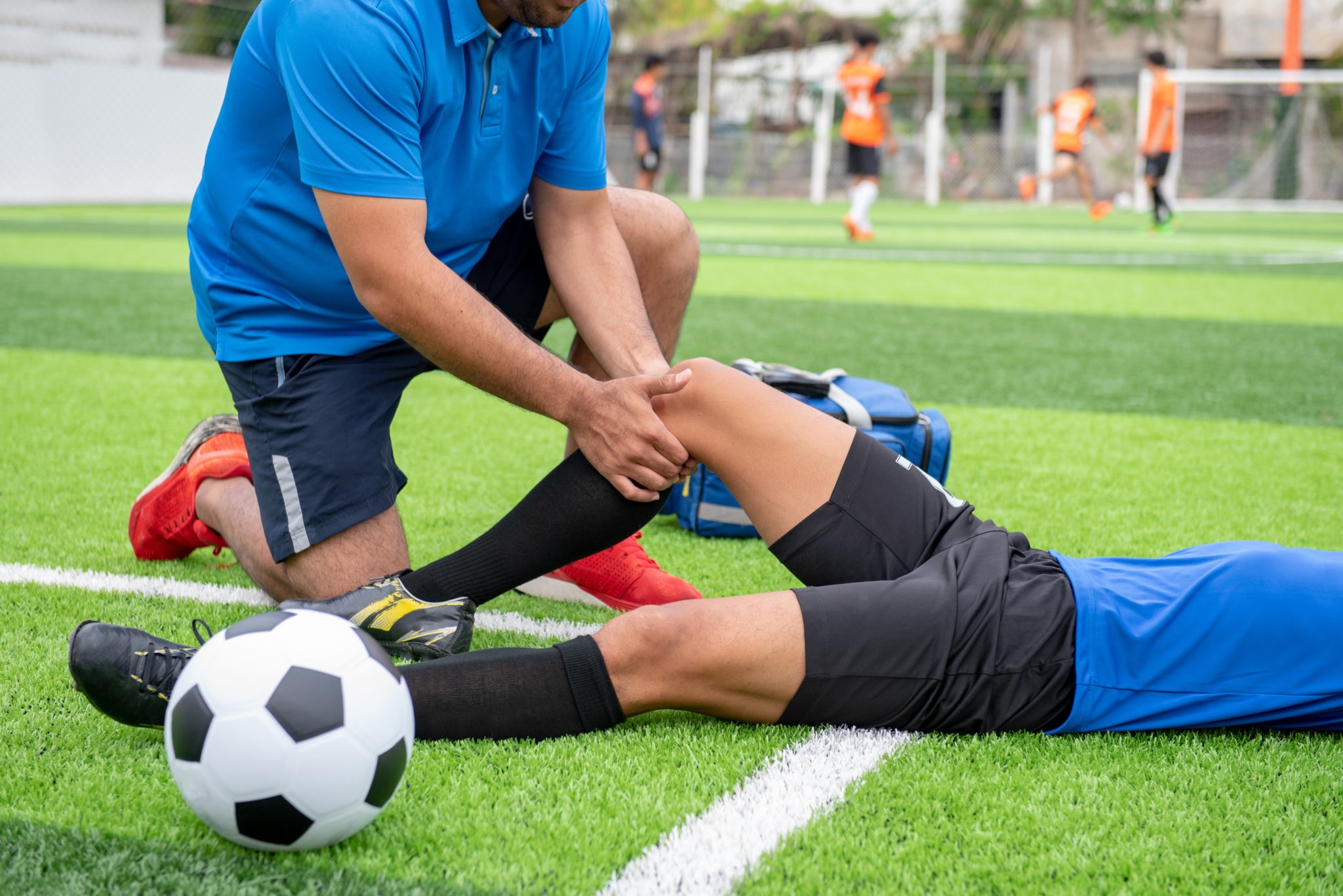
Sports and physical activities bring plenty of benefits, from improving physical and mental health to relieving stress to helping with weight management. But they could also put you at risk of injury if you’re not careful.
Joint Pain Relief From Common Causes
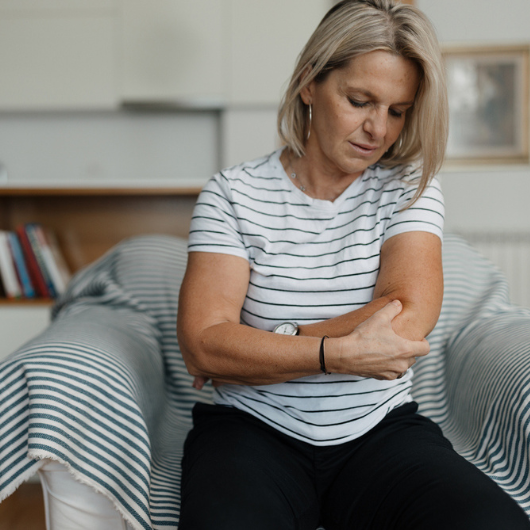
Find relief from joint pain. Learn how to ease joint aches by exploring the causes and treatment options for arthritis, injuries and other conditions.