

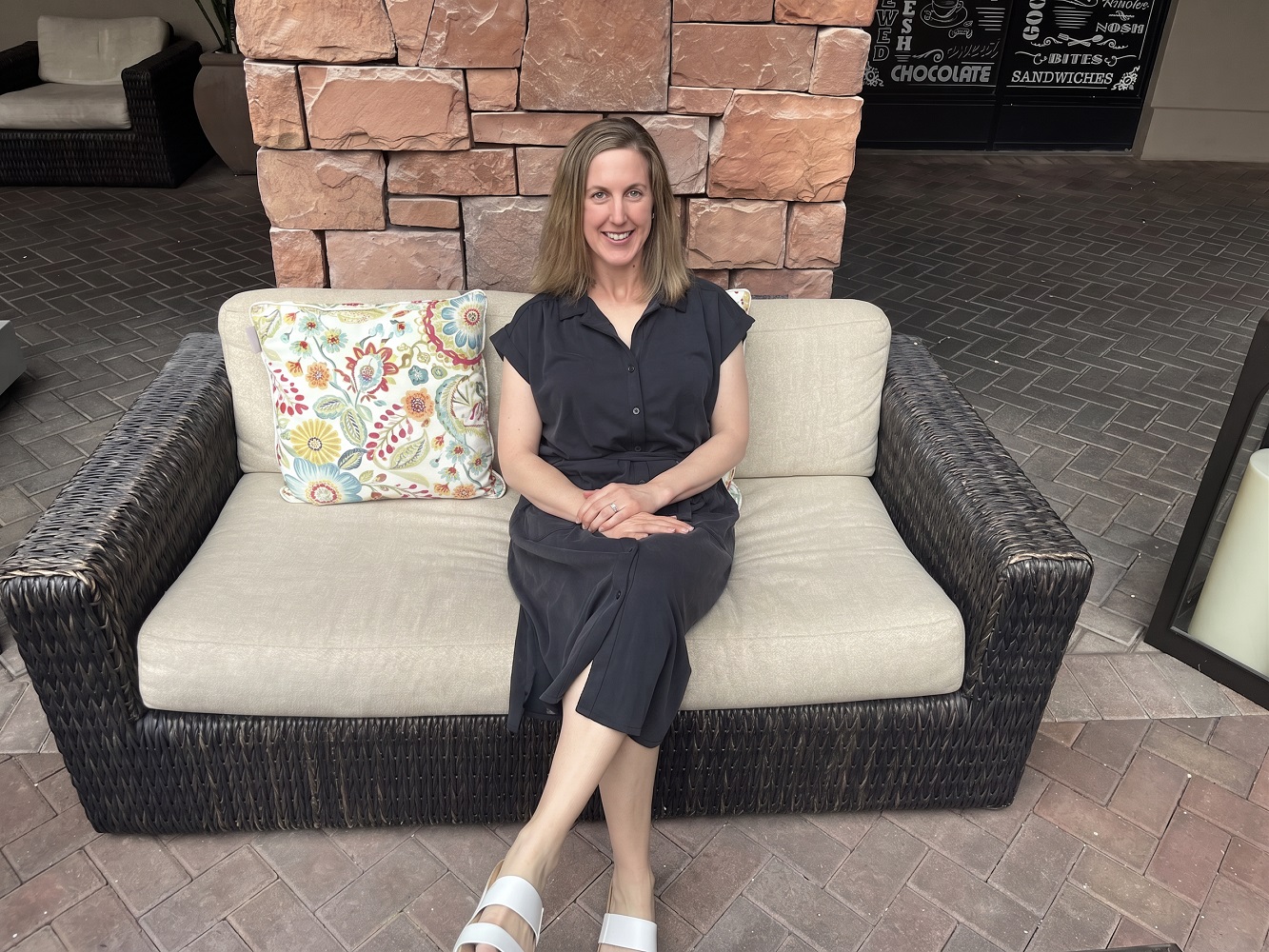
For years, Kristin Larew was forced to balance a busy home life with the disruption brought on from uterine fibroids. Kristin, a 45-year-old mother of two from northern New Jersey, has always enjoyed traveling and attending her sons’ sporting events, but managing the uncomfortable symptoms created by fibroids presented, in her words, a “real quality of life problem.”
"I spend a lot of my weekends at various sports games," Kristin shared. "Going from the soccer field to the baseball field was very difficult. The unpredictability of it always made me feel limited in what I could do."
A Long-Awaited Diagnosis and Independent Research
Kristin sought out multiple doctors to find answers for her questions, but once she was diagnosed, she found the treatment options lacking. Uterine fibroids are the most common benign tumors found in women, and some estimates show that up to 80 percent of women will develop them before turning 50. While they’re not cancerous, their symptoms can include prolonged or heavy menstrual bleeding, pelvic pain and pressure, and they can severely affect a woman’s life.
After conducting her own independent research, Kristin opted for the Sonata® treatment, a minimally invasive procedure being offered at Hackensack Meridian Jersey Shore University Medical Center.
Jocelyn Carlo, M.D., FACOG, director of gynecology at Jersey Shore, confirmed that Kristin was an ideal candidate for the treatment, which uses radiofrequency energy to target and shrink fibroids from inside the uterus.
Sonata Treatment Works Wonders for Treating Uterine Fibroids
Kristin, who is also a team member at Hackensack Meridian Health, was amazed by the “extremely fast and non-invasive” procedure, which she underwent in early 2026.
"I had no pain afterwards,” she said. “I was home by dinner time. It's really cool technology."
The Sonata system works by allowing a physician to use ultrasound to locate fibroids and deliver targeted heat to destroy fibroid tissue without making an incision. For Kristin, the results were life-changing.
"My symptoms decreased dramatically and my lifestyle has been reclaimed. I don't have to overthink the soccer field anymore," she said. "The freedom I have gained has been truly amazing and my quality of life improved so much."
A “Thank You” for a Transformative Procedure
Inspired by immense gratitude, Kristin made a donation to the Jersey Shore University Medical Center Foundation to honor Dr. Carlo for her compassionate and transformative care. Donations like these directly support the expansion of Women’s Health initiatives at Hackensack Meridian Health, enabling Dr. Carlo and her team to provide innovative, incisionless technology — like the Sonata system — to patients in need.
“We are tremendously grateful for Kristin’s generosity,” said Dr. Carlo. “Philanthropy greatly contributes to the ability of our hospital — and our network — to provide the highest level of care using the most sophisticated systems. We thank Kristin and our entire family of donors for making a difference!”
To learn more about how you can support patients like Kristin, visit Givehmh.org/JerseyShore.

From the NICU to Thriving at Home
NICU to thriving at home: Owen's story at Pascack Valley Medical Center and Hackensack University Medical Center. Learn how expert care helped. Call 800-822-8905.
A Light at the End of the Tunnel: Justin Marcario’s Story
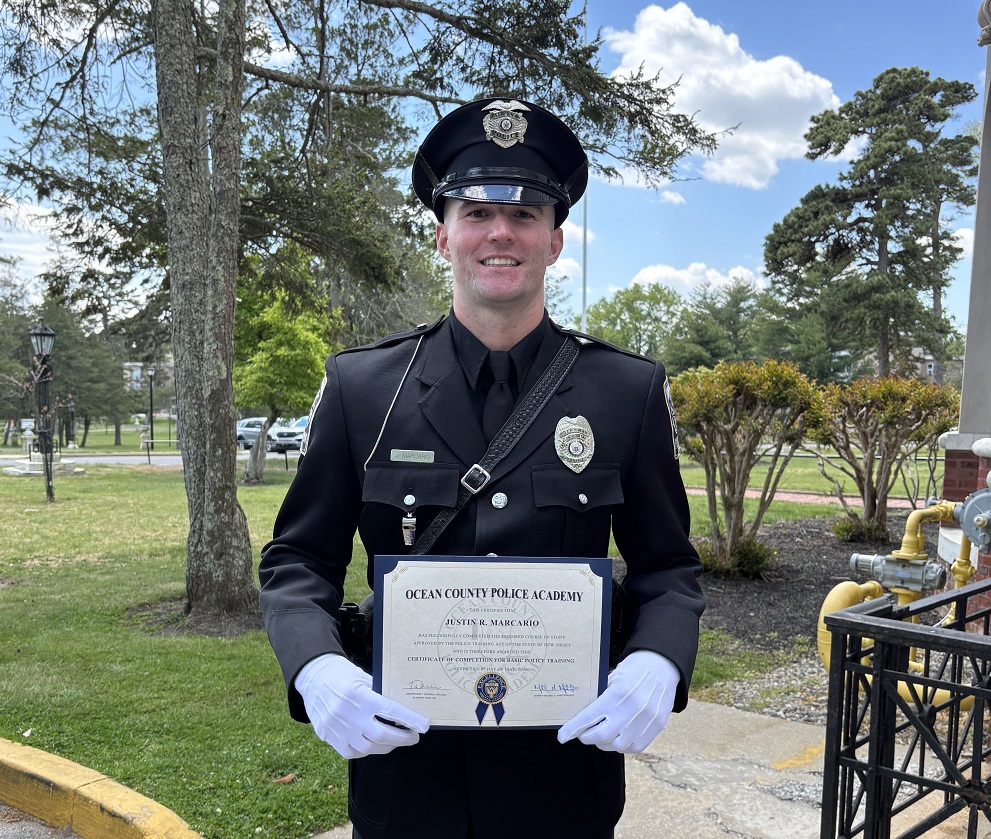
At times during leukemia treatment, Justin felt physically weak. With help from his care team, he beat cancer, returned to baseball & completed police academy.
What Happens to Your Hormones After Birth?
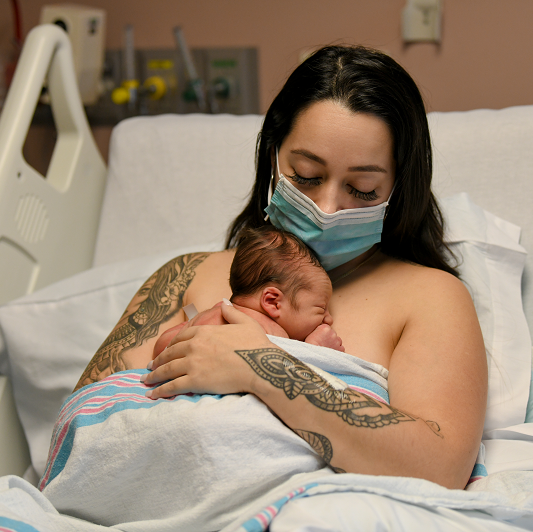
Postpartum hormone changes explained by Drs. Gerardis & Kopp. Understand the shifts, their effects, and how to cope. Learn more & schedule an appointment.
Nothing is Holding Me Back” — Multiple Myeloma Patient Lauds Treatment at John Theurer Cancer Center
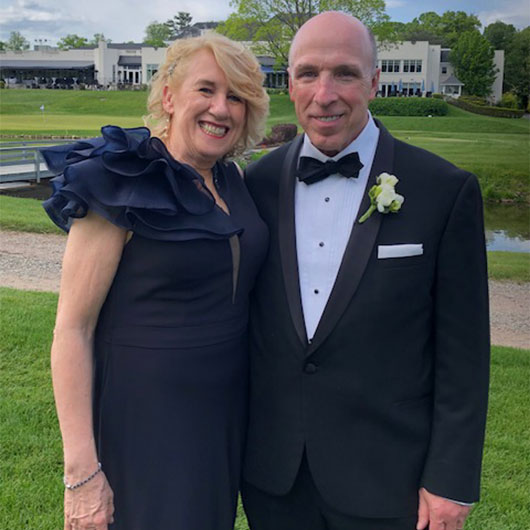
After receiving life-changing care following a multiple myeloma diagnosis, Tom Duffy became a regular donor to the John Theurer Cancer Center.