Key Takeaways
Advanced critical care and venovenous extracorporeal membrane oxygenation (VV-ECMO) therapy treat severe flu complications and multi-organ failure.
- Diagnosis: Thomas Oommen experienced flu symptoms so severe that he had to be placed on life support.
- Treatment: He required VV-ECMO therapy to add oxygen to his blood when a ventilator no longer worked.
- Get Care: Experiencing flu-like symptoms? Consult a primary care physician: Book online | 800-822-8905.
Medically reviewed by Deep D. Patadia, M.D., Pulmonologist and Intensivist, Hackensack University Medical Center
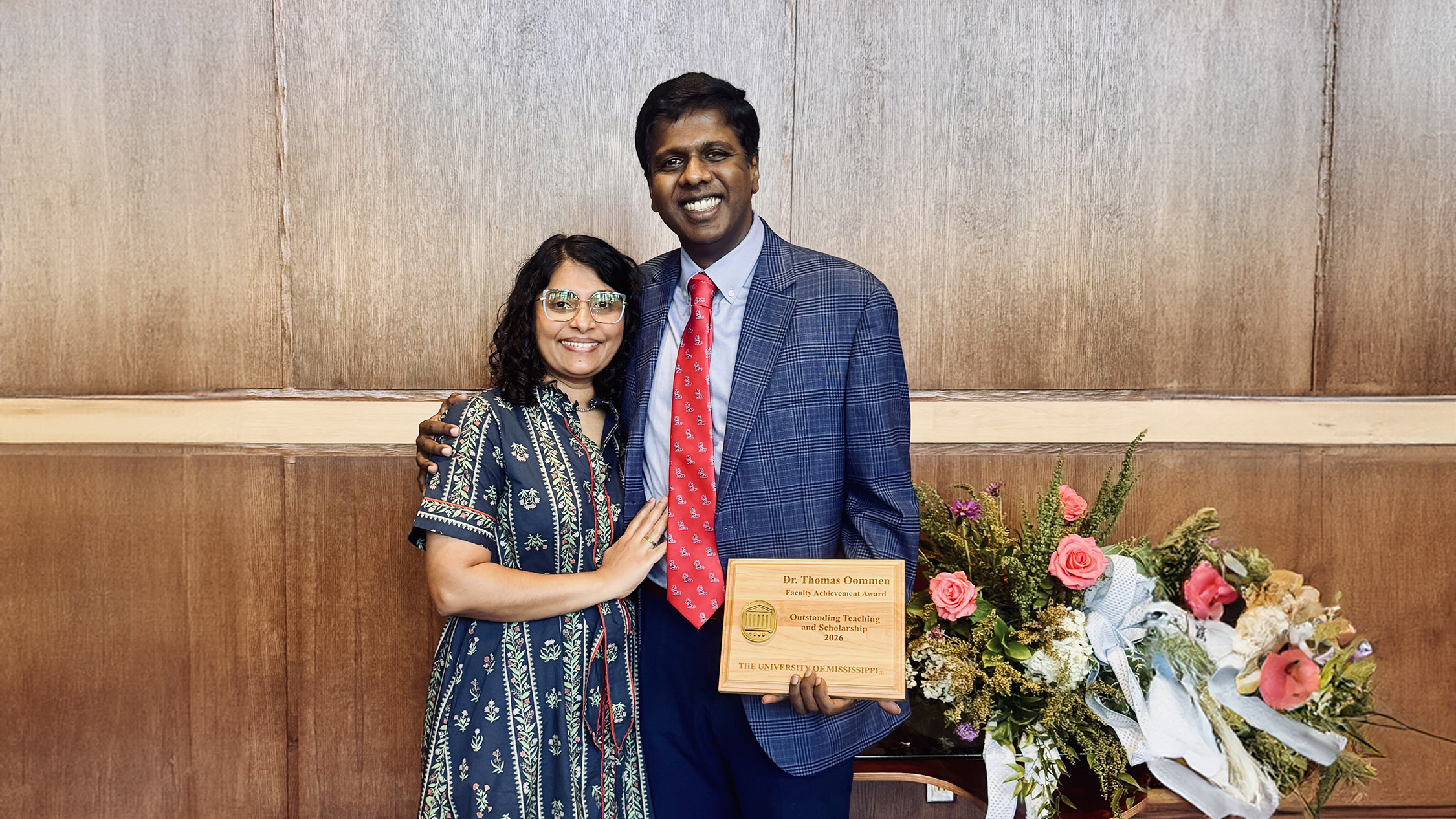
Thomas Oommen, an Oxford, Mississippi resident, was visiting New York and New Jersey with his family during the holidays when he became ill with the flu. Initially experiencing a fever, coughing and weakness, his condition took a massive turn for the worse within just four days. What had begun as the flu progressed to severe pneumonia, septic shock after Streptococcus bacteria entered his bloodstream and acute respiratory distress syndrome. Thomas went from living a normal, active life as a husband, father, professor and department chair to being critically ill and dependent on life support.
“Most of the time, an influenza infection can be treated conservatively at home with some medications,” says Deep D. Patadia, M.D., a pulmonologist and intensivist at Hackensack University Medical Center who cared for Thomas. “However, in rare cases, the flu infection can be deadly and cause multi-organ failure, like in the case with Thomas.”
He was placed on a ventilator and eventually required venovenous extracorporeal membrane oxygenation (VV-ECMO), an advanced life-support machine that adds oxygen directly to the blood, because his lungs could no longer provide his body with enough oxygen. His kidneys also failed temporarily, requiring dialysis. Thomas would later undergo a tracheostomy, feeding-tube placement and the placement of a PermCath for dialysis.
The Transfer for Advanced Critical Care
After experiencing symptoms, Thomas visited a local emergency department and was later admitted to the ICU. The treating physician recognized the need for ECMO and arranged to have Thomas transferred to Hackensack University Medical Center late on December 31, 2025, before his condition worsened.
HMH has a robust ECMO program, a therapy offered only at select institutions. The transfer was highly complex, requiring close coordination between the two hospitals to ensure Thomas didn't deteriorate on the helicopter flight. When Thomas arrived at the Medical ICU on New Year's Day, he was in multi-organ failure. His lungs were failing, blood pressure was plummeting and his kidneys and liver were shutting down.
“He was in extremis, a term we use for the critically ill and on the verge of death,” says Dr. Patadia.
Dr. Patadia and the medical team made rapid decisions to manage his failing lungs and kidneys. They placed large catheters in Thomas's neck and groin to connect him to the VV-ECMO machine, which acted as an artificial lung.
“VV-ECMO was the necessary step for him because it was the only mode of life-support that could be offered to bring his oxygen level up, despite him being on the highest ventilator settings,” Dr. Patadia adds.
Through the quick actions of these medical teams, Thomas received the advanced critical care, continuous dialysis and ECMO support he needed to survive.
Caring for the Patient and the Family
While the clinical interventions saved his life, the medical team also focused heavily on his family. Because Thomas and his wife were far from their home in Mississippi, the medical staff stepped in to help.
Thomas's wife, Selin, stayed by his bedside for his entire 42-day stay in the Medical ICU and Medical Stepdown Unit. To ease her daily burden, team members - including Nurse Nilza G. and step-down ICU social worker Emily - arranged a long-term parking pass and food vouchers. His two daughters and extended family also visited frequently, forming a close bond with the staff. Their church family also surrounded them with prayer and support, visiting in person and gathering online to pray throughout his hospitalization.
“It was an emotional rollercoaster for all of them, but we provided continued encouragement to the family,” says Dr. Patadia. “Not only did our staff support the family, we supported each other - a huge driving factor to assist the recovery of Thomas. The beauty of our Medical ICU is that we find creative ways to improve the well-being for the sickest patients in the hospital.”
From Critical Condition to Recovery
The medical team celebrated every milestone with the Oommen family: coming off ECMO, breathing independently, weaning from the ventilator and having his PermCath removed as his kidney function recovered. Thomas then transferred to a rehabilitation facility, where he relearned how to hold his head up, stand, and walk.
Today, Thomas is back home in Oxford. He is independent, driving short and long distances, and returning to his role as a professor and department chair.
Reflecting on his time at Hackensack Meridian Health, Thomas says, “Because of God’s grace and steadfast mercy and a medical team that refused to give up on me, we left with hope, and eventually, I walked again on my own.”
Next Steps & Resources:
- Meet our source: Deep D. Patadia, M.D.
- Learn more about the Extracorporeal Membrane Oxygenation (ECMO) Program at Hackensack Meridian Health
Surprising Signs You May Be Having a Heart Attack
Building a Healthier Future for New Jersey
Could You Have AFib and Not Know It?