




CT Calcium Scoring in New Jersey
Take a test to check your risk for heart disease with a CT Calcium Scoring scan for just $99. This offer is discounted from regular prices that are $250 or more.
Even though you may not have any symptoms, a CT Calcium Scoring scan can help detect calcium-containing plaque in your arteries, which can cause a heart attack.
Steps to Schedule your CT Calcium Scoring Scan
- Make your appointment: Call 1-844-HMH-WELL to be connected with one of the Hackensack Meridian Health facilities near you that offers the scan.
- Get a prescription: Prior to arriving at your appointment, ask your doctor for a prescription for CT Calcium Scoring (Diagnosis: Screening). Bring this with you when you go for your scan. If you do not have a physician, you can find a doctor online or call 1-844-HMH-WELL for a physician referral.
Call 1-844-HMH-WELL to get started.
$99 scans are offered at the following locations:
Brick | Ocean University Medical Center
Eatontown | Health and Wellness Center
Edison | JFK University Medical Center
Hackensack | Hackensack University Medical Center
Holmdel | Bayshore Medical Center
Manahawkin | Southern Ocean Medical Center
Montclair | Mountainside Medical Center
Neptune | Jersey Shore University Medical Center
North Bergen | Palisades Medical Center
Old Bridge | Old Bridge Medical Center
Paramus | Paramus Health & Wellness Center
Perth Amboy | Raritan Bay Medical Center
Red Bank | Riverview Medical Center
How CT Calcium Scoring Saved Kevin’s Life


Why Choose Us for Heart Care
Our heart experts perform New Jersey's most successful minimally invasive heart surgeries. Hackensack University Medical Center has earned the distinction of being among the top 10% in the nation for Cardiology, Heart & Vascular Surgery programs from U.S. News & World Report, 2026-2027.
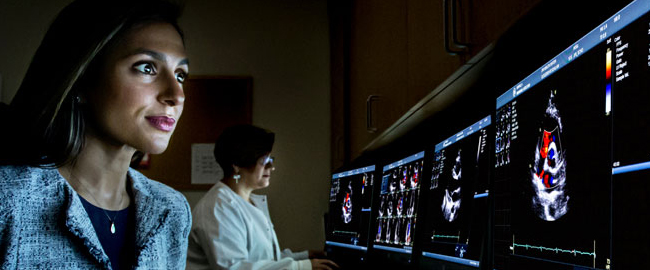
Heart Screenings, Prevention and Diagnostics
Heart screenings, prevention tools and diagnostic tests are all services offered by our cardiology specialists to help understand a patient’s heart condition or risk of heart disease, as well as what prevention or treatment options should be used.