
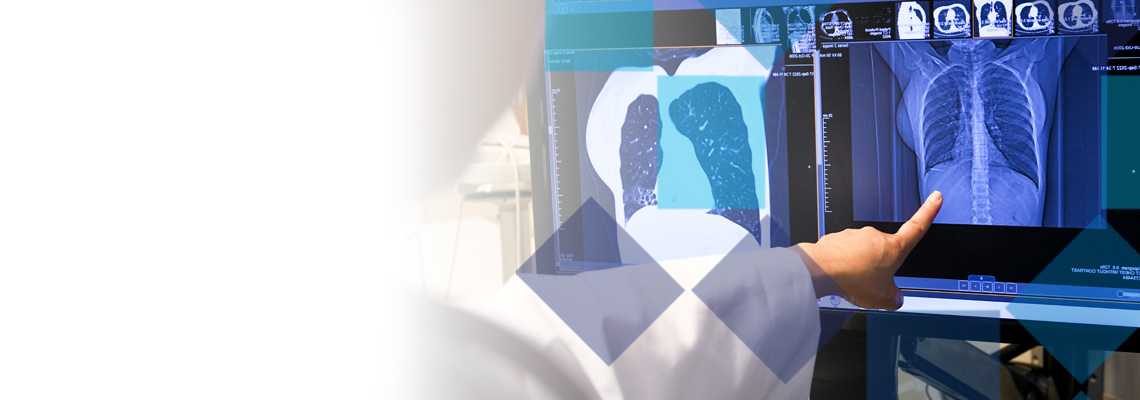
Interventional Pulmonary Care in New Jersey
Interventional pulmonology focuses on diagnosing and treating lung and airway conditions using advanced, minimally invasive techniques. These procedures help avoid major surgery and support faster recovery – especially for people facing complex or hard-to-reach lung problems.
At Hackensack Meridian Health, interventional pulmonologists are specially trained to treat conditions affecting the airways, lungs, pleura (lining around the lungs) and lymph nodes in the chest. They work closely with other specialists to develop the right care plan for each patient.
Interventional Pulmonary Conditions We Treat
Our interventional pulmonologists care for people with a wide range of lung and airway conditions, including:
- Airway foreign bodies: Inhaled objects that block the airway and require removal
- Airway stenosis and obstruction: Narrowing or blockage of the airway that makes it difficult to breathe
- COPD and severe emphysema: Chronic lung conditions that limit airflow and may require advanced treatment
- Coughing up blood (hemoptysis): Bleeding in the airways or lungs that needs prompt evaluation and treatment
- Lung cancer and tumors: Abnormal growths in the lungs that may require diagnosis, staging and treatment planning
- Lung nodules: Small abnormal spots in the lungs that may be benign or cancerous and need further testing
- Pleural effusion: Buildup of fluid between the lungs and chest wall that can make breathing difficult
Interventional Pulmonary Procedures We Offer
Many interventional pulmonary procedures are performed through the mouth or nose using thin, flexible tools called bronchoscopes. These techniques are often safer and require less recovery time than traditional surgery. Common procedures include:
- Airway stenting and balloon dilation: Open narrowed airways to restore airflow
- Bronchoscopic lung volume reduction (endobronchial valves): A breakthrough procedure for severe emphysema
- Cryotherapy: Freezes abnormal tissue in the airway to remove or reduce it
- Endobronchial ultrasound (EBUS): For real-time imaging and lymph node staging
- Fiducial marker placement: Helps guide precise radiation therapy
- Medical pleuroscopy/thoracoscopy: A minimally invasive way to diagnose pleural disease
- Rigid bronchoscopy: For more complex airway cases or removal of large obstructions
- Robotic bronchoscopy: Advanced technology to precisely biopsy hard-to-reach lung nodules
- Thoracentesis and tunneled pleural catheter placement: Drains excess fluid to improve breathing
- Tumor ablation: Targets tumors directly inside the airway
- Whole lung lavage: A specialized washing procedure for certain rare lung diseases
Experts in Interventional Pulmonary Care
Find A Doctor
Search our network of interventional pulmonary medicine specialists and make an appointment today.

Find A Location
Search our network of interventional pulmonary care locations across NJ and make an appointment today.
Common Questions About Interventional Pulmonary Care
Patient Resources
What Causes Lung Cancer in Nonsmokers?
Lung Cancer in Nonsmokers: Learn about risk factors from Dr. Spallone at Palisades Medical Center. Reduce your risk & discuss concerns with your doctor.
Is Sitting In Traffic Bad For Your Lungs?
Traffic fumes harm lungs. Learn how pollution impacts breathing from Dr. Casale. Protect your respiratory health. Call 800-822-8905.
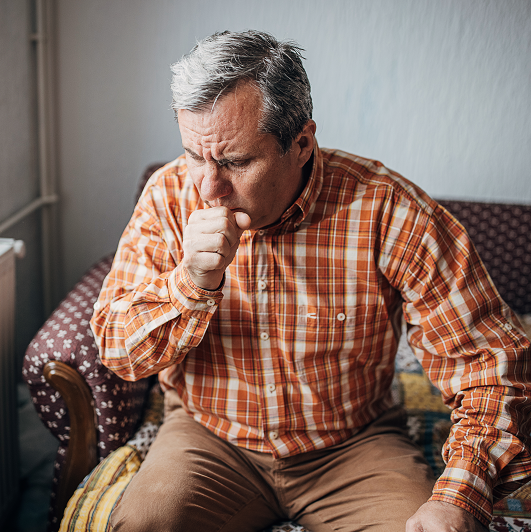
Lingering Cough: What Does it Mean?
Lingering cough? Dr. Fenichel explains causes, effects, and treatment options. Find relief. Call 800-822-8905.
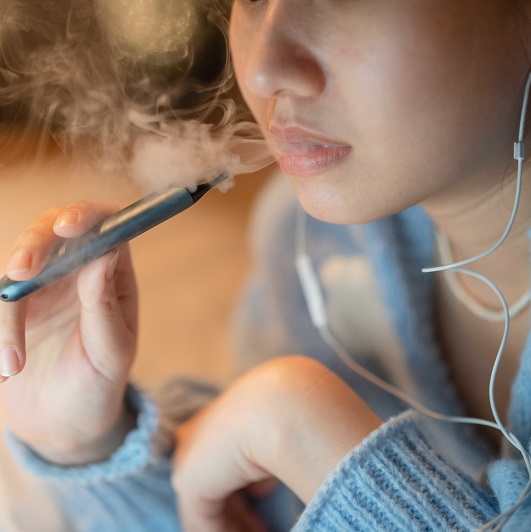
Signs Vaping May Be Causing You Long Term Damage
Because e-cigarettes don’t produce smoke like cigarettes do, some people think they’re safe. But using e-cigarettes (vaping) has been shown to also damage the lungs. Here are the signs to look out for.