


At age 68, Manisha Mehta was considered the picture of health. At her yearly checkup in fall 2019, she was given the all clear. But a month later, as she and her husband, Bhupen, were on their way to spend his birthday with their family and beloved grandson, Manisha started to feel strange.
Initially, she thought it was acid reflux. But her condition rapidly deteriorated, and within a few minutes she felt nauseous and thought she was going to pass out.
Luckily, Palisades Medical Center was just moments away. Upon arrival, doctors determined she was in complete heart failure and needed complex cardiac care. Manisha was airlifted to Hackensack University Medical Center, where an entire team of specialists were waiting.
“Manisha presented with what we call acute STEMI, which is an acute myocardial infarction,” says cardiac surgeon Yuriy Dudiy, M.D. In other words, Manisha was having a major heart attack.
It Takes a Team
Manisha arrived at Hackensack in shock, which caused her to go into cardiac arrest multiple times. She had to be resuscitated four times.
While her team of doctors attempted to clear numerous blockages in her heart, they placed an Impella heart pump, designed to pump blood to the rest of the body while allowing the heart to rest.
Even that was not enough: She had to be placed in a medically induced coma and put on an ECMO, a machine that takes over heart and lung function, completely allowing the heart to rest and the recovery process to begin.
Fortunately, her doctors were able to successfully place five stents. Manisha says of her care team, “They are angels disguised as doctors, nurses and health care workers.”
She was able to return home just in time to spend Thanksgiving with her family.
Important Message for Women
Manisha’s case is unique given that she was asymptomatic with no risk factors. But many people have warning signs well in advance, such as:
- Chest pain
- Pressure triggered with activity but relieved with rest
- One of the many underlying conditions that increase the risk of heart attack
“You should see your primary care physician every year regardless of your symptoms,” Dr. Dudiy says.
This is especially true for women who are more likely to have atypical symptoms with a heart attack than men.
Manisha encourages women to be proactive with checkups and to tell their doctor everything. In hindsight, she believes there may have been a few subtle signs that she chalked up to age.
These days, Manisha has a new lease on life. She spends her time reading, playing online strategy games and—most importantly—spending time with her grandson. “He is my world,” she says.
“I’m so thankful to everyone at Hackensack for saving my life.”
Next Steps & Resources:
- Meet our source: Yuriy Dudiy, M.D.
- To make an appointment with Dr. Dudiy or a doctor near you, call 800-822-8905 or visit our website.
- Learn more about cardiac care close to home
Surprising Signs You May Be Having a Heart Attack
Recognize surprising heart attack signs. Dr. Astudillo explains symptoms & importance of immediate care. Call 800-822-8905 now.
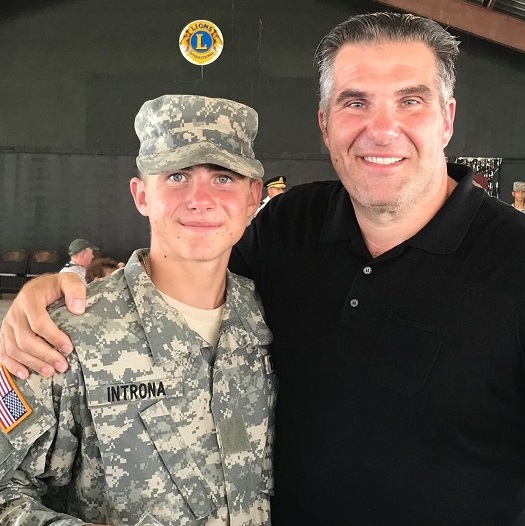
After a Triple Bypass Three Years Ago, Where is He Now?
Triple bypass surgery recovery story: Joe Leone Introna shares his journey to better heart health. Learn from his experience and find resources for your heart health.
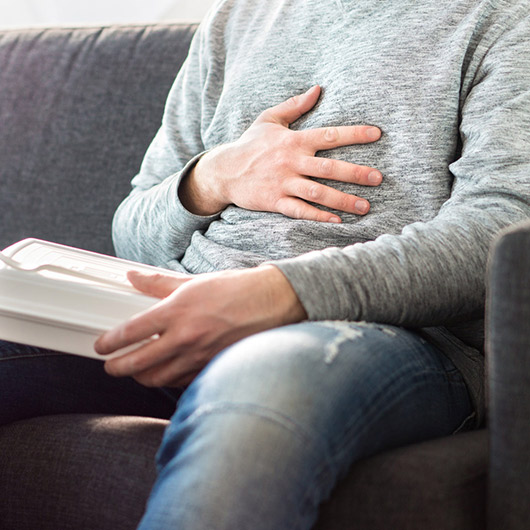
Is It a Heart Attack or Just Heartburn?
Heartburn or heart attack? Learn key differences. Doctors Singh, Salata, and Acquah explain symptoms and when to seek immediate medical care. Call 800-822-8905.
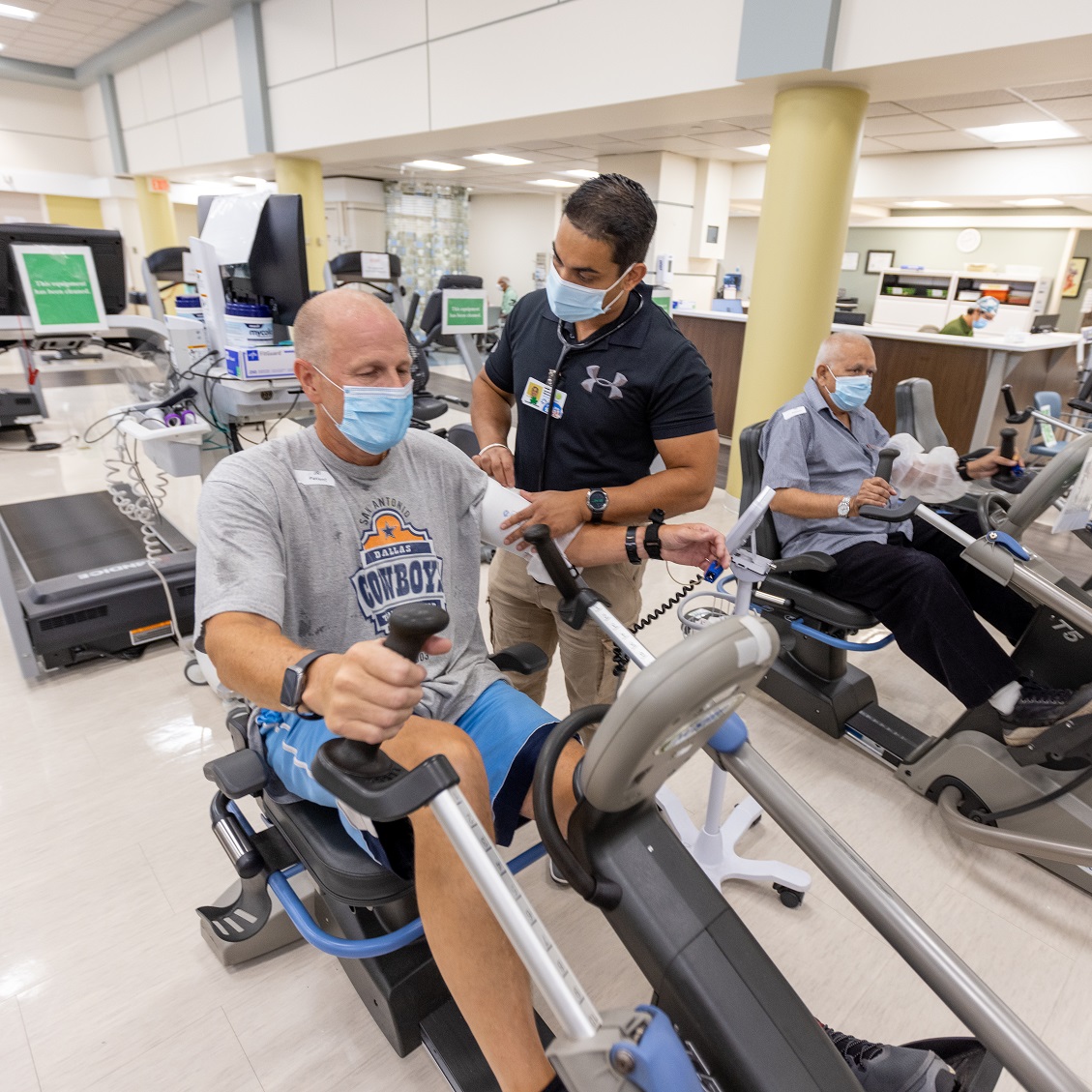
North Hudson Fire and Rescue Battalion Chief Back to Work After Cardiac Rehab
Cardiac Rehab Helped Fire Chief Salvesen Return to Work. JFK Johnson Rehabilitation Institute offers life-changing cardiac and pulmonary rehabilitation. Learn more & schedule an appointment.