Electrodiagnostic Medicine in New Jersey

Electrodiagnostic medicine can help diagnose neuromuscular disorders in patients experiencing back or neck pain, numbness, tingling or muscle weakness. 

The two most common electrodiagnostic tests we use include: 

  • Electromyography (EMG), which assesses muscle performance
  • Nerve conduction, which assesses nerve function. 

Both tests help identify the underlying cause of nerve or muscle pain, numbness, tingling, muscle weakness, spasms and/or paralysis.
What is an Electromyography (EMG) Test? 

An EMG study is a 30- to 60-minute diagnostic test that helps discover injuries, neuromuscular disorders, pinched nerves and muscle diseases. During the test, a physician uses small needles to measure how your muscles respond when you’re not using them (at rest) and when you tighten them (contraction). It allows the physician to evaluate how well muscles are working and can help determine if the muscles are receiving the proper signal from nerves.

What is a Nerve Conduction Study?  

This diagnostic test measures the speed of electrical activity in your nerves. The provider places electrode patches on your skin and stimulates them with small electric impulses to measure how fast or slow your nerves are functioning.
Find A Provider Or Learn More
Rehabilitation Doctors
Find A Provider
Search our network of physical therapy and rehabilitation specialists and make and appointment today. 
Rehab in the News
Johnson Rehabilitation Institute in the News
Learn about the exciting developments and achievements of our patients and team members at our various rehab locations.
Rehabilitation Excellence & Patient Experience
U.S. News & World Report 2025 Badge
Why Choose Hackensack Meridian Health Rehabilitation & Physical Therapy
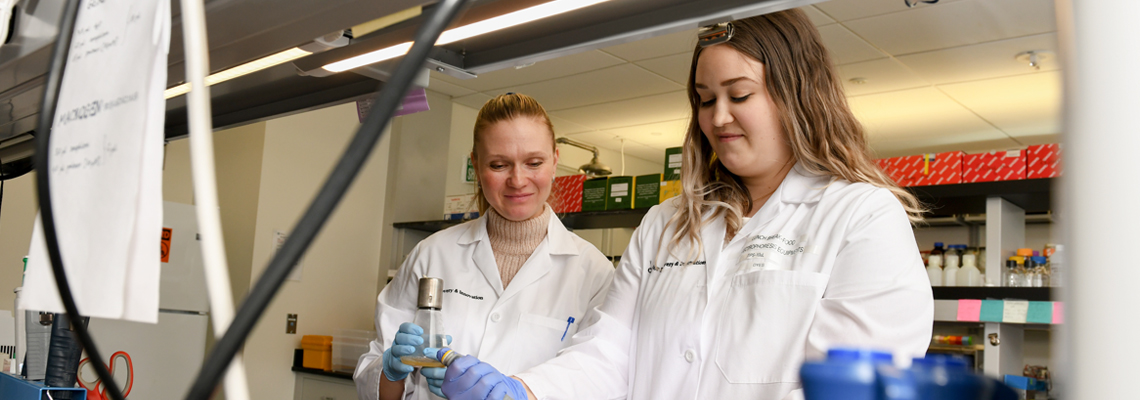
Discover why Hackensack Meridian JFK Johnson Rehabilitation Institute is a nationally ranked leader in rehabilitation and physical therapy.
Adam Wernow
A Paralyzed Diaphragm Couldn’t Stop This Marathon Runner
Paralyzed diaphragm? Jersey Shore University Medical Center offers hope. Dr. Kaufman helped Adam Wernow resume running. Learn more and schedule an appointment.
Recent Rehabilitation Innovations
Phrenic Nerve Integrity
Phrenic nerve injury? JFK Johnson Rehabilitation Institute offers innovative treatment improving breathing function. Learn more about advancements in diaphragmatic paralysis care.
Read More Articles
Innovation and research at JFK Johnson Rehabilitation Institute: Learn more.

Frequently Asked Questions

Patient Resources
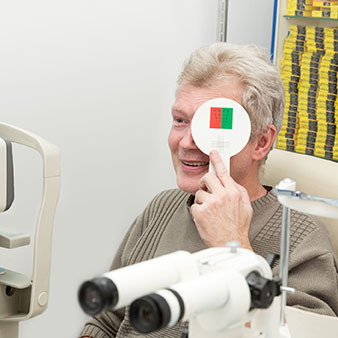
Vision Therapy
What is Vision Therapy—and How Does it Help?
Improve vision & quality of life with vision therapy. Treat blurry vision, eye strain, and more. Learn how vision therapy can help you.
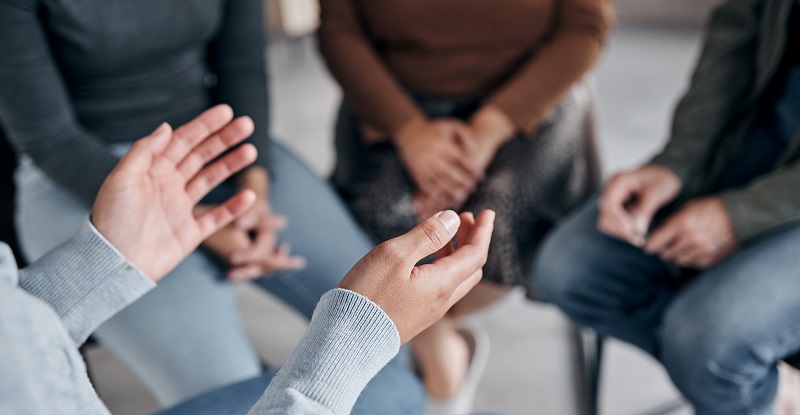
Support Groups hands in aa heart shape
Support Groups
Find support groups for cancer, grief, ALS, and more. Connect with others, gain strength, and navigate challenges. Find a group near you.
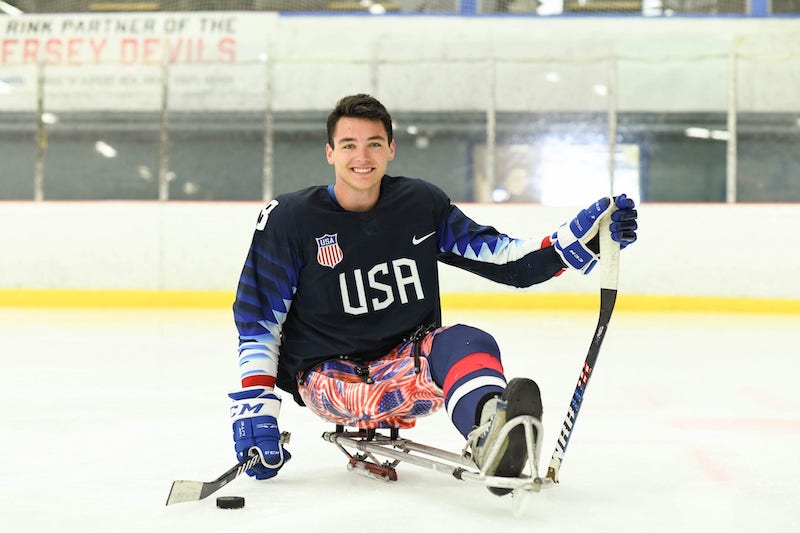
Jack Wallace - Skating to Success
Skating to Success
Paralympic athlete Jack Wallace shares his inspiring recovery journey after amputation. Learn how JFK Johnson Rehabilitation Institute helped him achieve his goals. Find support.
physical therapy
Physical vs. Occupational Therapy

According to Alexandra Fredas, PT, DPT, and Kathryn Tuazon, MS, OTR/L, experts at JFK Johnson Rehabilitation Institute, both physical and occupational therapies share similar philosophies regarding treatment and patient care - but there are differences.